- Monday - Friday 09:00-18:00
- 0203 633 9146

Every landlord letting a privately rented property in England must hold a valid EICR certificate. The Electrical Safety Standards (Private Rented Sector) Regulations 2020 made the electrical installation condition report a statutory requirement, and failure to comply can result in a financial penalty of up to £30,000 per property. At EICR Landlord Cert, our NICEIC-approved electricians carry out EICR inspections at a fixed price from £85, with no hidden fees and no travel supplements.
We are fully insured with public liability cover, and every engineer is DBS checked, registered with NICEIC, NAPIT, or ELECSA, and qualified to BS 7671 18th Edition wiring regulations standards. Whether you manage a single buy-to-let flat or a large HMO portfolio, our experienced electricians deliver a thorough, reliable inspection and issue your certificate digitally once the inspection is complete.
An electrical installation condition report is a systematic, standardised assessment of every fixed electrical installation in a property, carried out by a qualified electrician to the standards set out in BS 7671. The inspection covers the consumer unit, fuse board, wiring, sockets, switches, light fittings, earthing connections, bonding arrangements, and distribution board throughout the property. Our expert engineers work through each circuit in turn, testing for faults, deterioration, outdated wiring, overloading, and any condition that could present a risk to tenants or occupants.
Every finding is classified using the four-code system defined in BS 7671. A C1 code means danger is present and requires urgent action before the property is let. A C2 code identifies potentially dangerous conditions requiring remedial works within 28 days. A C3 code recommends improvement without imposing a legal obligation, and an FI code requests further investigation before a classification can be confirmed. Properties where every circuit receives a satisfactory result are issued a valid electrical safety certificate, which landlords must provide to tenants within 28 days and to their local authority on request.
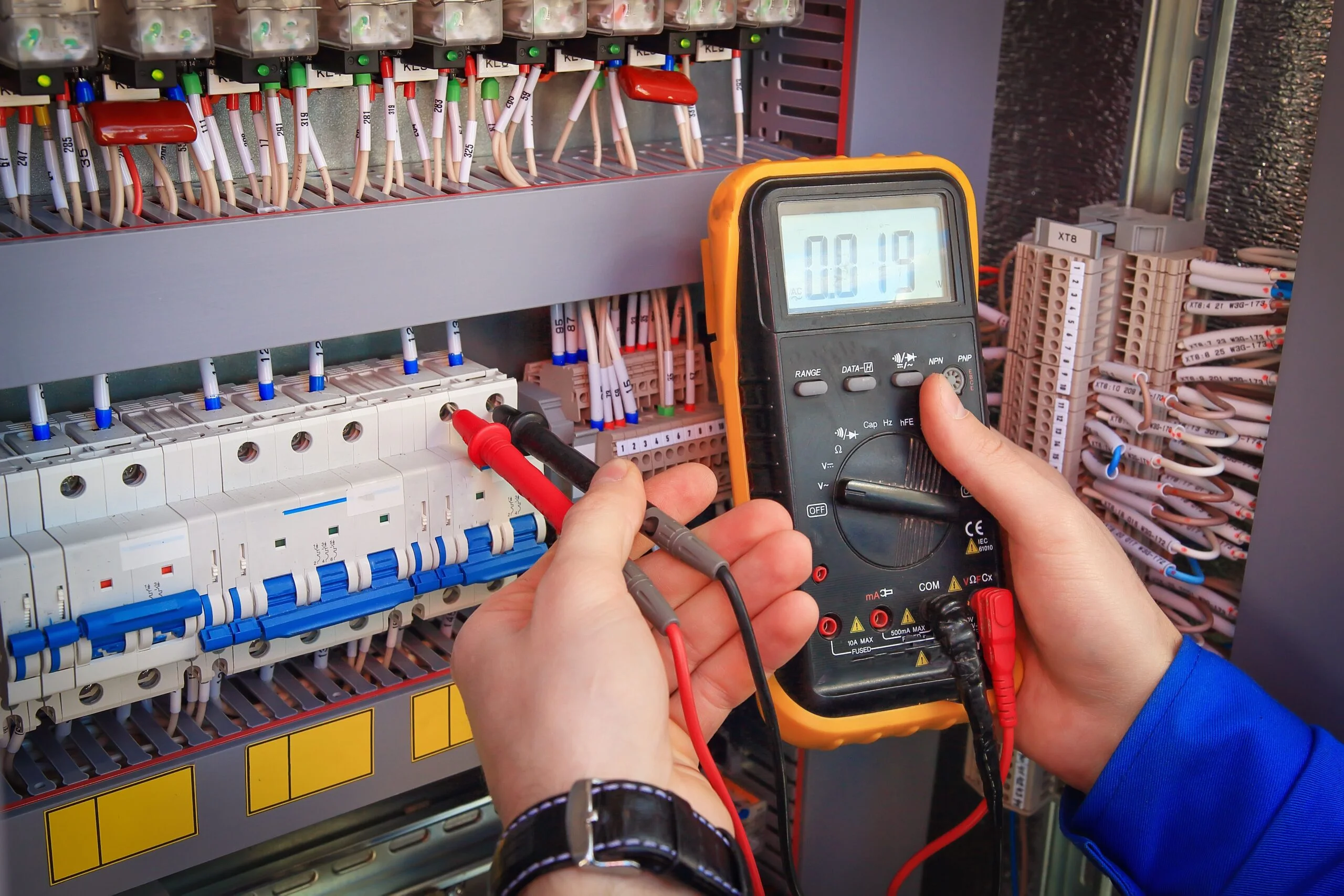
The inspection process begins with a full visual check of all accessible wiring and components, followed by dead testing and live testing procedures. Polarity checks, RCD testing, insulation resistance testing, earth continuity testing, and circuit identification are conducted on every circuit as standard. Our NICEIC, NAPIT, and ELECSA-registered electricians are available for both standard and same-day inspection appointments, and the average inspection takes between one and four hours depending on property size and circuit count.
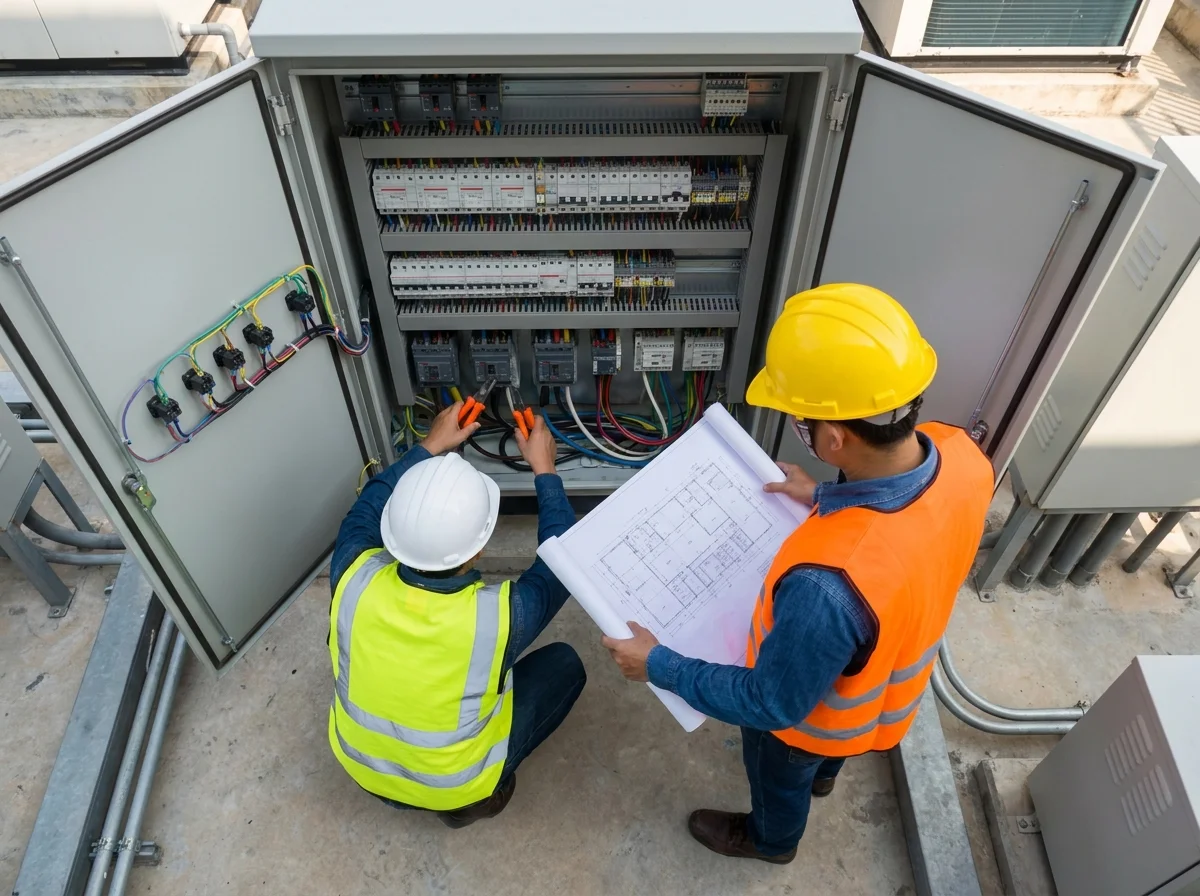



Private landlords are legally required to arrange an EICR inspection at least every five years under the Electrical Safety Standards (Private Rented Sector) Regulations 2020. The report must be carried out by a qualified person, and landlords must provide a copy to existing tenants within 28 days of the inspection and to new tenants before they move in.
Portfolio landlords managing two or more properties benefit from reduced per-property pricing across their full address list.
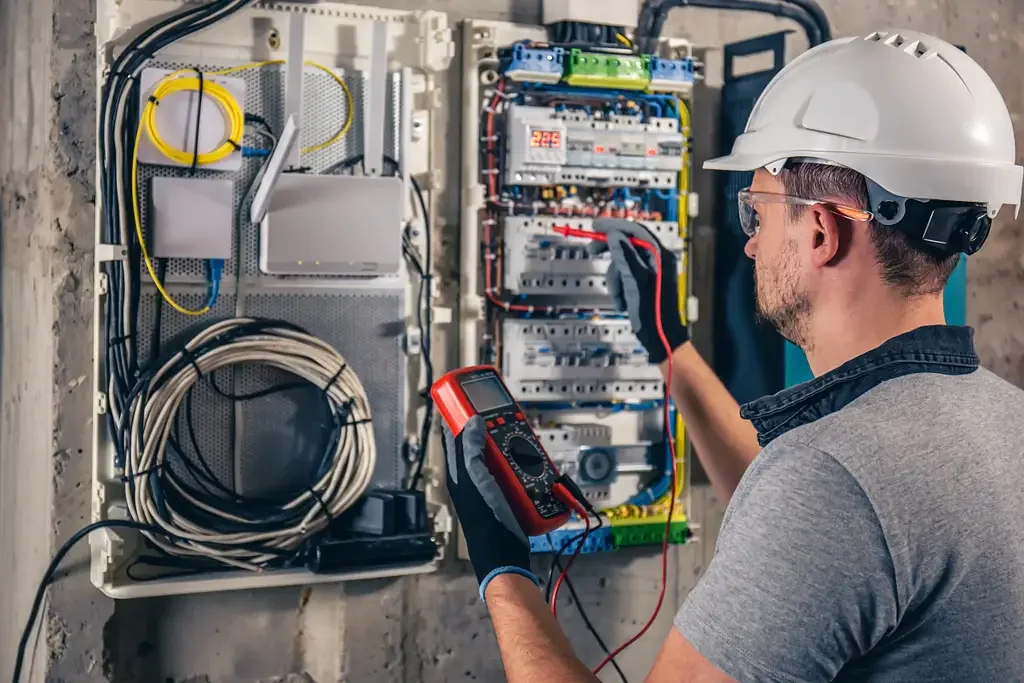
An electrical safety certificate confirms that a property’s fixed electrical installation has been inspected and tested by a qualified electrician and is safe for continued use in a privately rented property.
If the inspection results in an unsatisfactory outcome, the landlord must arrange remedial works within 28 days and provide written confirmation of completion to both the tenant and the local authority.
EICR certificate costs start from £85 for a standard one-bedroom residential property and are calculated on the number of circuits in your electrical installation. Our fixed price model means no hidden fees, no surprise charges after the visit, and no obligation to use our remedial works service. A typical two-bedroom flat ranges from £95 to £120, and a three-bedroom house typically falls between £110 and £150. HMOs, larger residential properties, and commercial buildings are priced individually based on circuit count and access requirements.
All pricing includes VAT, the engineer visit, the full inspection to BS 7671 standards, and the digital EICR certificate issued once the inspection is complete. Landlords managing portfolios of two or more properties benefit from reduced per-property pricing, making it easier to keep every address compliant at the same time. There are no call-back charges, no admin fees, and no unexpected extras. Your fixed price quote covers everything before our engineer attends. We also provide Gas Safety certificates, EPC certificates, and PAT testing for landlords and property owners. If you are based in London, visit our EICR Certificate London page for location-specific pricing and coverage details.
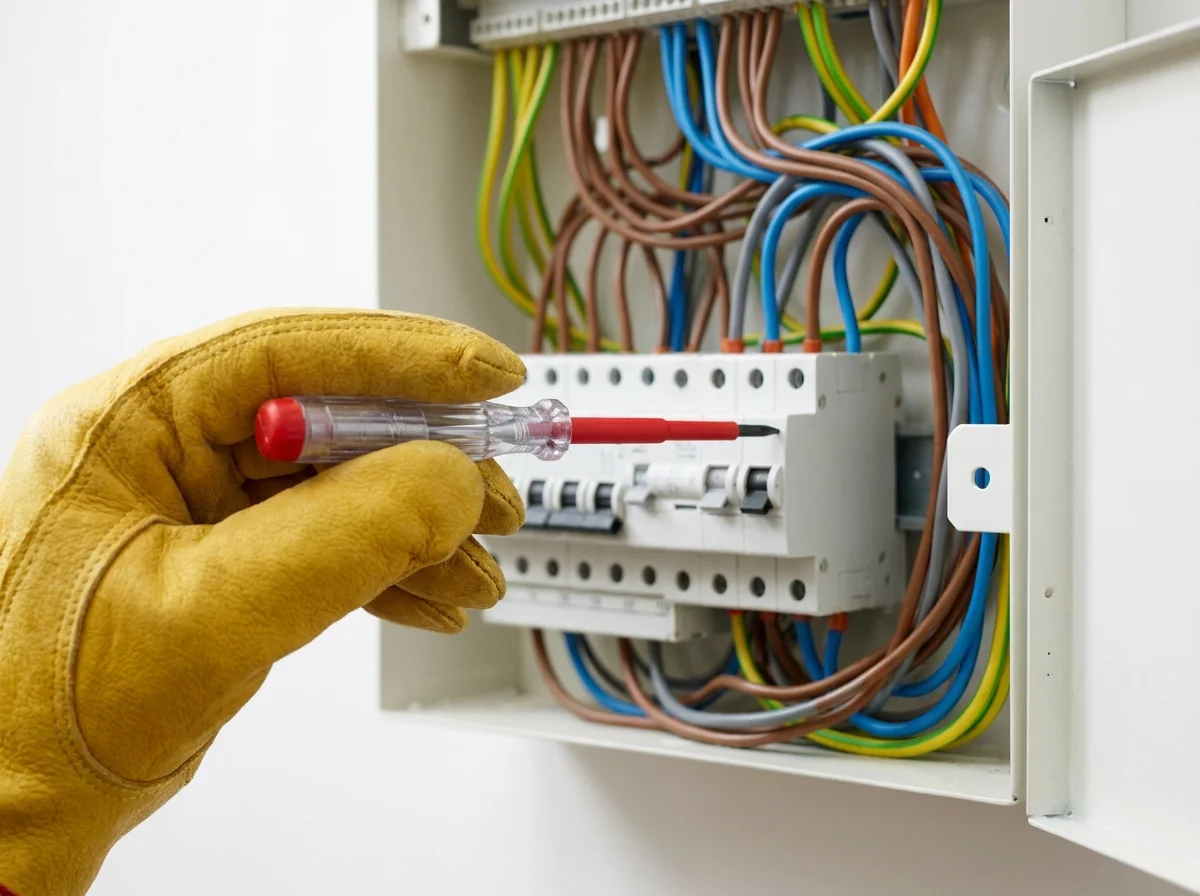
A domestic EICR covers all fixed electrical installations in a residential property, from studio flats to large family houses, and is the standard inspection required for privately rented homes under the Electrical Safety Standards (Private Rented Sector) Regulations 2020.
Homeowners can also request a domestic EICR for peace of mind, prior to a property sale, or as part of a remortgage survey.
A commercial EICR assesses fixed wiring across offices, retail units, HMOs, mixed-use buildings, and other non-domestic premises to confirm the electrical installation is safe and legally compliant.
Commercial EICR certificates are accepted by local authorities, insurers, and enforcement bodies and are a key document in any property compliance file.
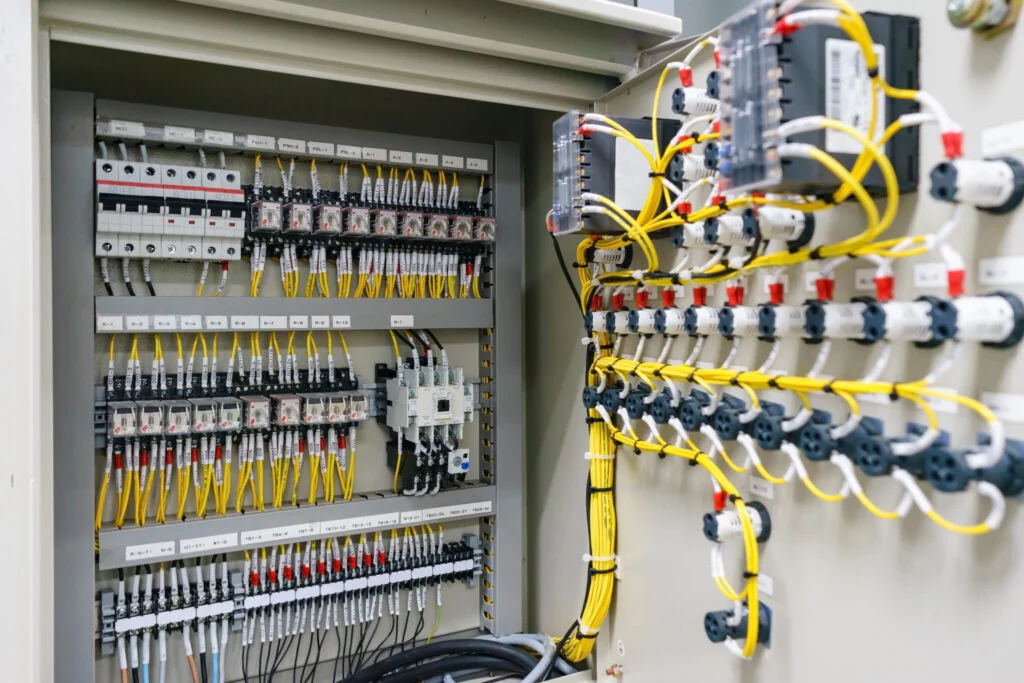
Accredited engineers covering your area at fixed prices with no hidden fees.
Every engineer holds government-approved accreditation, is fully insured with public liability cover, and is DBS checked.
Every certificate meets current UK legal requirements and is accepted by all local authorities and letting agents nationwide.
All prices confirmed upfront. No call-out charges, no admin fees, and portfolio pricing available for landlords with multiple properties.
Certificates are issued digitally once the inspection is complete, with same-day inspection available Monday to Friday wherever your property is located.
A landlord electrical safety certificate is the term widely used by letting agents, tenants, and property managers to describe the EICR document required under the Electrical Safety Standards (Private Rented Sector) Regulations 2020. While the formal legal name is Electrical Installation Condition Report, both terms refer to the same document and are accepted by local authorities as proof of compliance. Every privately rented residential property must have a valid landlord electrical safety certificate in place before a tenancy begins.
The certificate must be issued by a qualified electrician registered with NICEIC, NAPIT, or ELECSA, and must be renewed at least every five years. Landlords are required to keep a copy for the duration of the certificate and to provide copies to tenants and their local authority on request. Our Part P registered electricians produce landlord electrical safety certificates that comply fully with BS 7671 wiring regulations and meet all local authority requirements.
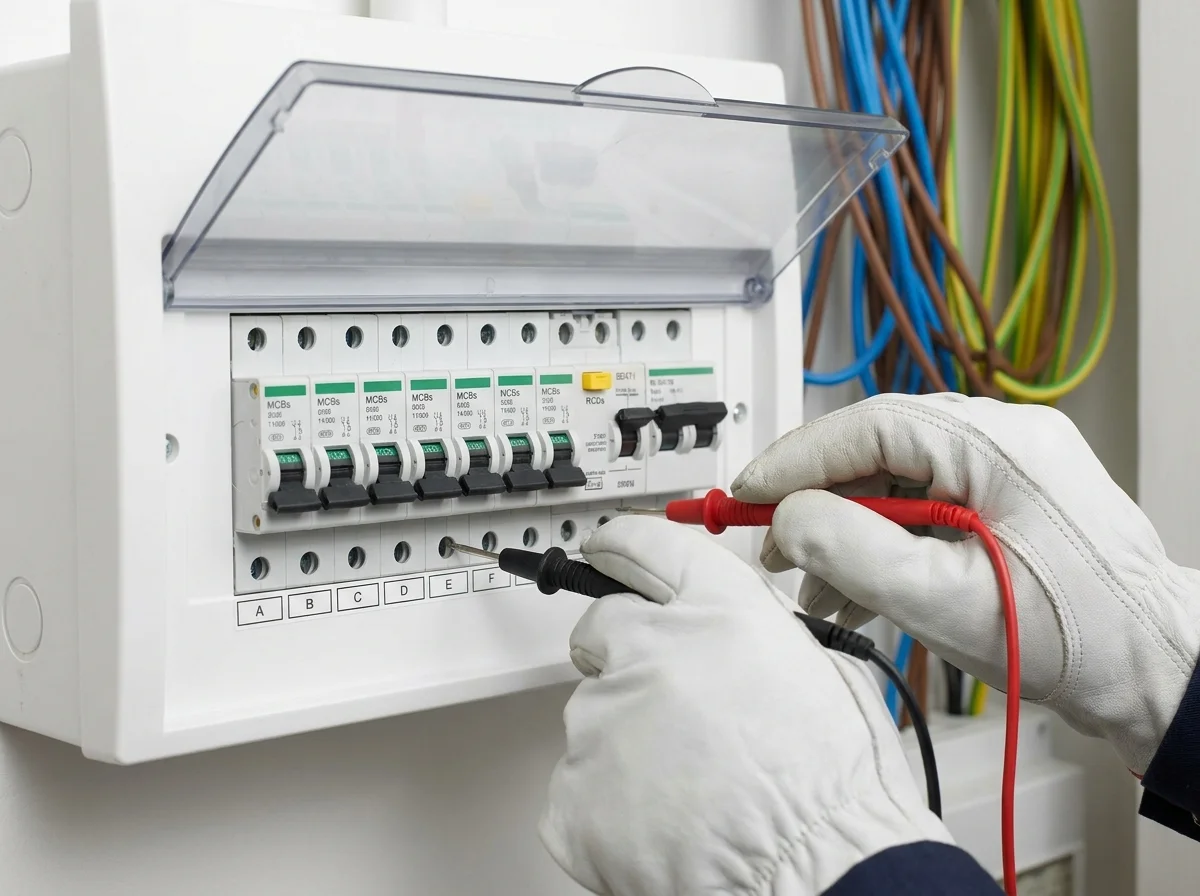
Understanding what is checked in an EICR helps landlords and property owners appreciate the scope of the inspection and its value as a compliance tool.
The inspection is non-intrusive and does not require any decoration to be disturbed. Our engineers work efficiently to minimise disruption to tenants and issue a written report covering every circuit inspected.
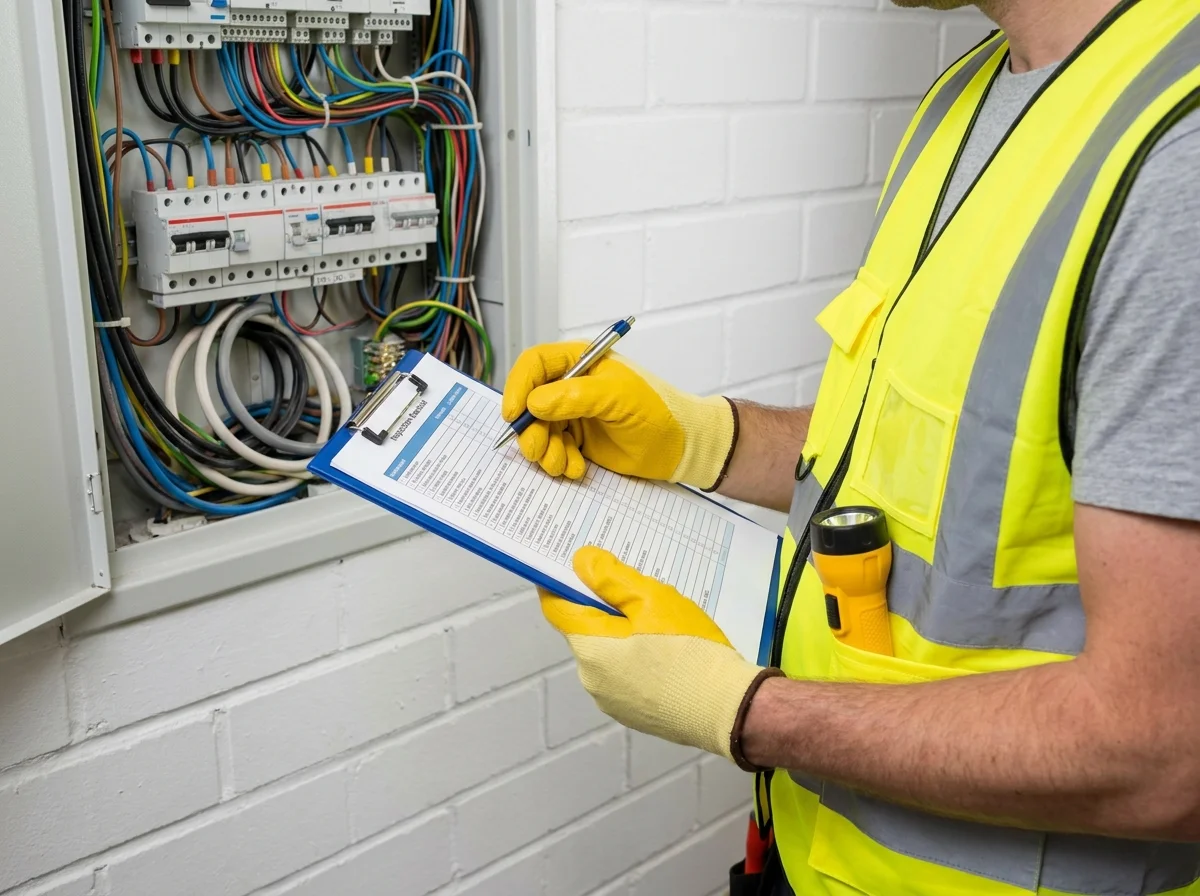
EICR Landlord Cert provides trusted EICR services near you with qualified, registered electricians who can attend promptly, carry out a thorough inspection, and provide a legally valid certificate.
Same-day inspection appointments are available Monday to Friday wherever your property is located, and your certificate is issued digitally once the inspection is complete.
The EICR regulations that private landlords must comply with are clearly set out in the Electrical Safety Standards (Private Rented Sector) Regulations 2020. Every private landlord must obtain an EICR from a qualified person, carry out any required remedial works within 28 days of the report date, supply the completed report to existing tenants, and provide it to new tenants before their tenancy begins. Local authorities have enforcement powers and can impose financial penalties of up to £30,000 per property where a landlord has failed to comply with these obligations.
The Housing Act 2004 gives local authorities additional powers under the Housing Health and Safety Rating System, which can be triggered by electrical hazards identified during an inspection or following a tenant complaint. A landlord who fails to provide a valid EICR, fails to complete remedial works within the required timeframe, or fails to notify their local authority of completed works faces separate grounds for enforcement action under both pieces of legislation. Our NICEIC-approved electricians produce every EICR report to the standard required by law, and our team can advise landlords on their obligations at any stage of the inspection process.

An EICR certificate obtained for a privately rented property is valid for a maximum of five years under the Electrical Safety Standards (Private Rented Sector) Regulations 2020. The same certificate can be used across multiple tenancies within that five-year period, and each new tenant must receive a copy within 28 days of their tenancy starting.
After five years the certificate expires and a new inspection must be arranged before the property can continue to be let under the Electrical Safety Standards (Private Rented Sector) Regulations 2020.
When an EICR inspection identifies C1 or C2 code findings, landlords are legally required to arrange remedial works within 28 days of the report date under the Electrical Safety Standards (Private Rented Sector) Regulations 2020.
A re-inspection may be required following significant remedial works to confirm the installation has been brought to a satisfactory standard before the property is re-let.
EICR stands for Electrical Installation Condition Report. It is a formal document produced by a qualified electrician after inspecting and testing all fixed electrical wiring, circuits, and accessories in a property. The report assesses the installation against BS 7671 wiring regulations standards and classifies every finding using the C1, C2, C3, and FI code system. It replaced the former Periodic Inspection Report and is the document required by law for all privately rented residential properties.
Under the Electrical Safety Standards (Private Rented Sector) Regulations 2020, private landlords must obtain a new EICR at least every five years. The current certificate must be provided to each new tenant before their tenancy begins and to existing tenants within 28 days of the inspection. Properties that receive an unsatisfactory outcome require remedial works and may require an earlier re-inspection before the standard five-year cycle applies again.
A landlord who fails to comply with EICR obligations under the Electrical Safety Standards (Private Rented Sector) Regulations 2020 can be issued a financial penalty of up to £30,000 per property by their local authority. The local authority also has the power to carry out remedial electrical works itself and recover the cost directly from the landlord. Failing to supply the report to a tenant or to complete remedial works within 28 days are both separate grounds for enforcement action.
A C1 code means danger is present: the installation poses an immediate risk and must be addressed urgently before the property continues to be let. A C2 code means potentially dangerous: the hazard is not immediate but requires remedial works within 28 days. A C3 code means improvement is recommended but carries no legal obligation. An FI code means further investigation is required before the finding can be fully assessed and classified.
EICR certificates start from £85 at EICR Landlord Cert, with pricing based on the number of circuits in the property. A standard two-bedroom flat typically costs between £95 and £120, and a three-bedroom house between £110 and £150. All prices are fixed and include VAT, the engineer visit, the full inspection, and the digital certificate. There are no hidden fees or call-out charges, and portfolio pricing is available for landlords managing multiple properties.
An EICR must be carried out by a qualified person with sufficient competence and appropriate calibrated test equipment. In practice, this means a registered electrician accredited by NICEIC, NAPIT, or ELECSA. A non-qualified individual cannot legally sign off an EICR, and a certificate produced by an unregistered person does not satisfy the Electrical Safety Standards (Private Rented Sector) Regulations 2020 or meet local authority requirements for compliance evidence.
A new tenancy does not automatically require a new EICR if the existing certificate is still within its five-year validity period. The landlord must provide the incoming tenant with a copy of the current EICR before or within 28 days of the tenancy starting. A new EICR is required if the existing certificate has expired, if the previous inspection resulted in an unsatisfactory outcome, or if significant electrical works have been carried out since the last inspection.
A failed EICR means the report contains one or more C1 or C2 code findings, indicating the installation is rated unsatisfactory. The landlord must arrange remedial works within 28 days of the report date, obtain written confirmation from the electrician once all works are complete, and send that confirmation along with the original EICR to both the tenant and the local authority. A re-inspection may then be required to confirm the installation meets the required standard.
Yes. An EICR is the current name for what was previously called a Periodic Inspection Report, or PIR. The terminology changed when the Electrical Safety Standards (Private Rented Sector) Regulations 2020 came into force, and the document is now formally referred to as an Electrical Installation Condition Report in all legislation and official guidance. Both terms describe the same type of formal electrical inspection carried out by a qualified, registered electrician.
Yes. An EICR can and should be carried out while a property is tenanted, as it is a legal requirement throughout the tenancy. The inspection is non-invasive and does not normally require any furniture to be moved or decoration to be disturbed. Landlords must give tenants appropriate notice before the inspection takes place. Our engineers work efficiently to minimise disruption, and the inspection typically takes between one and four hours depending on the property size and circuit count.