- Monday - Friday 09:00-18:00
- 0203 633 9146

PAT testing is the in-service inspection and testing of portable electrical appliances, and it is a key safety obligation for London landlords, HMO operators, businesses, and employers. The Electricity at Work Regulations 1989 impose a legal duty on anyone who controls premises to make sure all electrical equipment is maintained in a safe condition, and the Health and Safety at Work Act 1974 reinforces this duty of care. At EICR Landlord Cert, our City and Guilds 2377-qualified PAT testers cover all 32 London boroughs, with portable appliance testing from £69, same-day inspections, and no hidden fees.
We are fully insured with public liability cover, and every engineer is DBS checked, holds City and Guilds 2377 PAT testing qualifications, is experienced in both Class I and Class II appliance testing, and uses calibrated test equipment traceable to national standards. Whether you manage a furnished residential letting, an HMO, a commercial office, or a hotel across any London borough, our reliable, expert PAT testers deliver a thorough inspection, apply pass or fail labels to every appliance, and issue a full digital certificate once the testing is complete.
Portable appliance testing London landlords and employers arrange is a formal programme of visual inspection and electronic testing designed to identify unsafe electrical appliances before they can cause harm to tenants, employees, or members of the public. The IET Code of Practice for In-Service Inspection and Testing of Electrical Equipment (4th Edition) is the industry-recognised guide setting out recommended testing frequencies, test categories, and pass or fail criteria for each appliance class. Class I appliances, such as kettles, toasters, electric heaters, and washing machines, require an earth bond test and insulation resistance test. Class II appliances, such as laptops, phone chargers, and televisions, require an insulation resistance test only.
Our City and Guilds 2377-qualified PAT testers work through your full appliance inventory, carrying out both the visual inspection and the electronic test on every item. Each appliance that passes receives a clearly dated pass label, and any item that fails is labelled accordingly, removed from service, and recorded in the report with details of the defect found. A full digital PAT tester report is issued once the testing is complete, covering every appliance inspected, all test results, and a complete list of pass and fail outcomes.

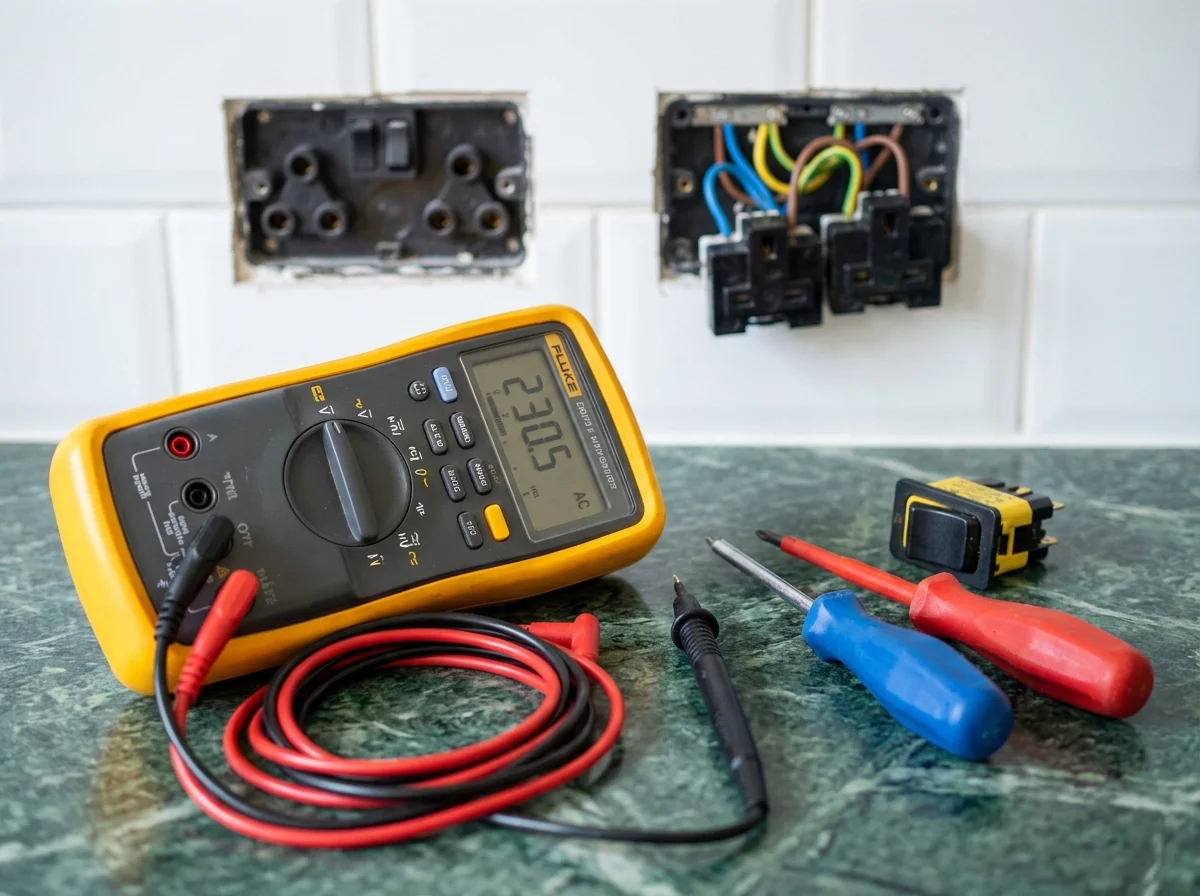
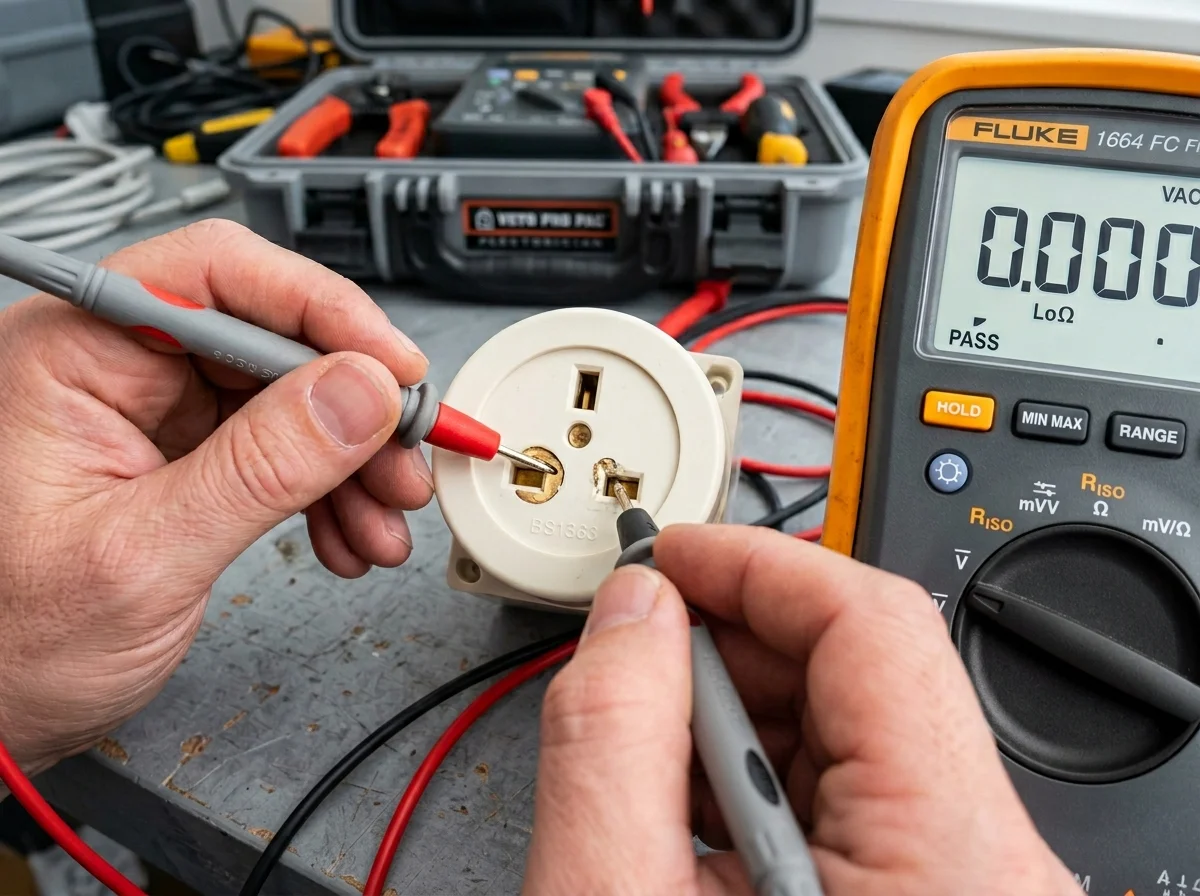
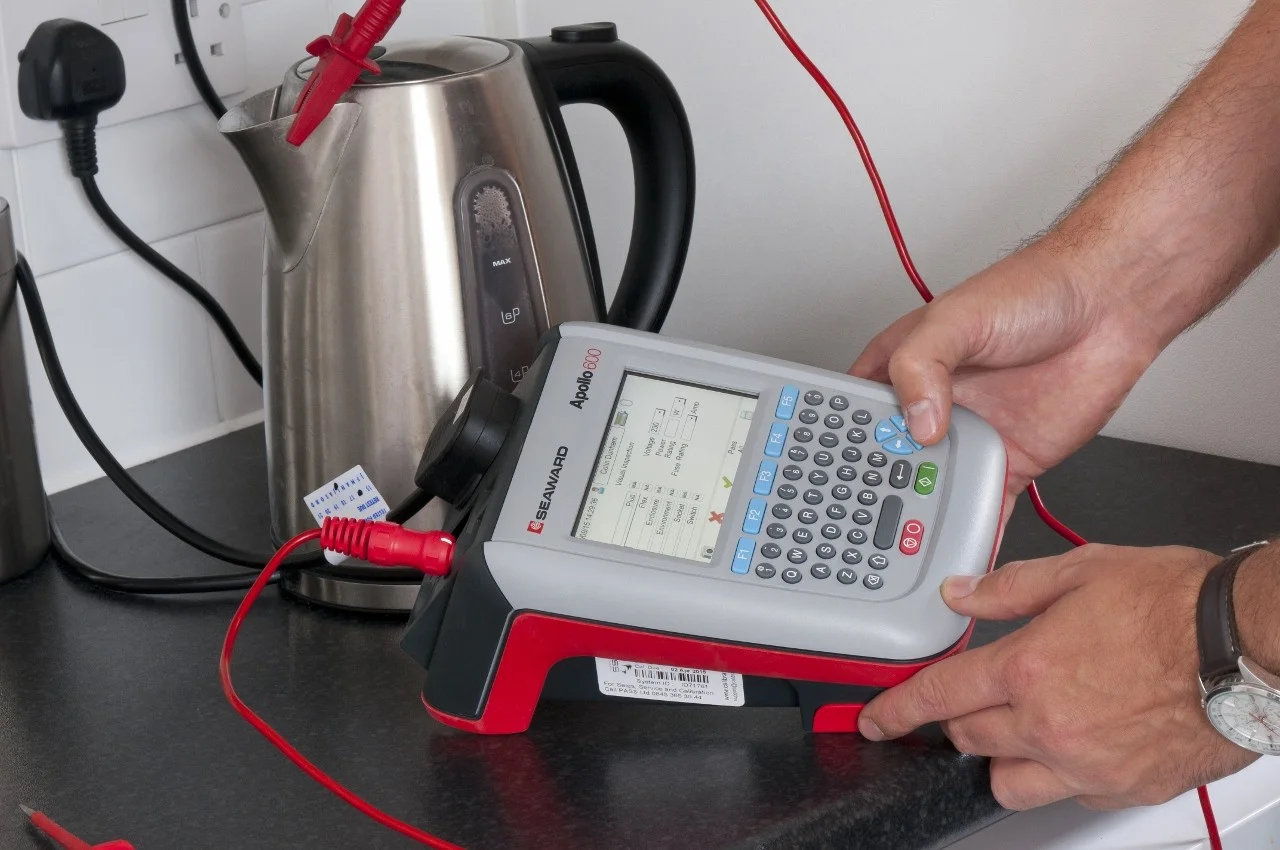
PAT testing for landlords London property managers arrange is essential in HMOs, furnished lettings, and short-term rentals where electrical appliances are provided for tenants to use.
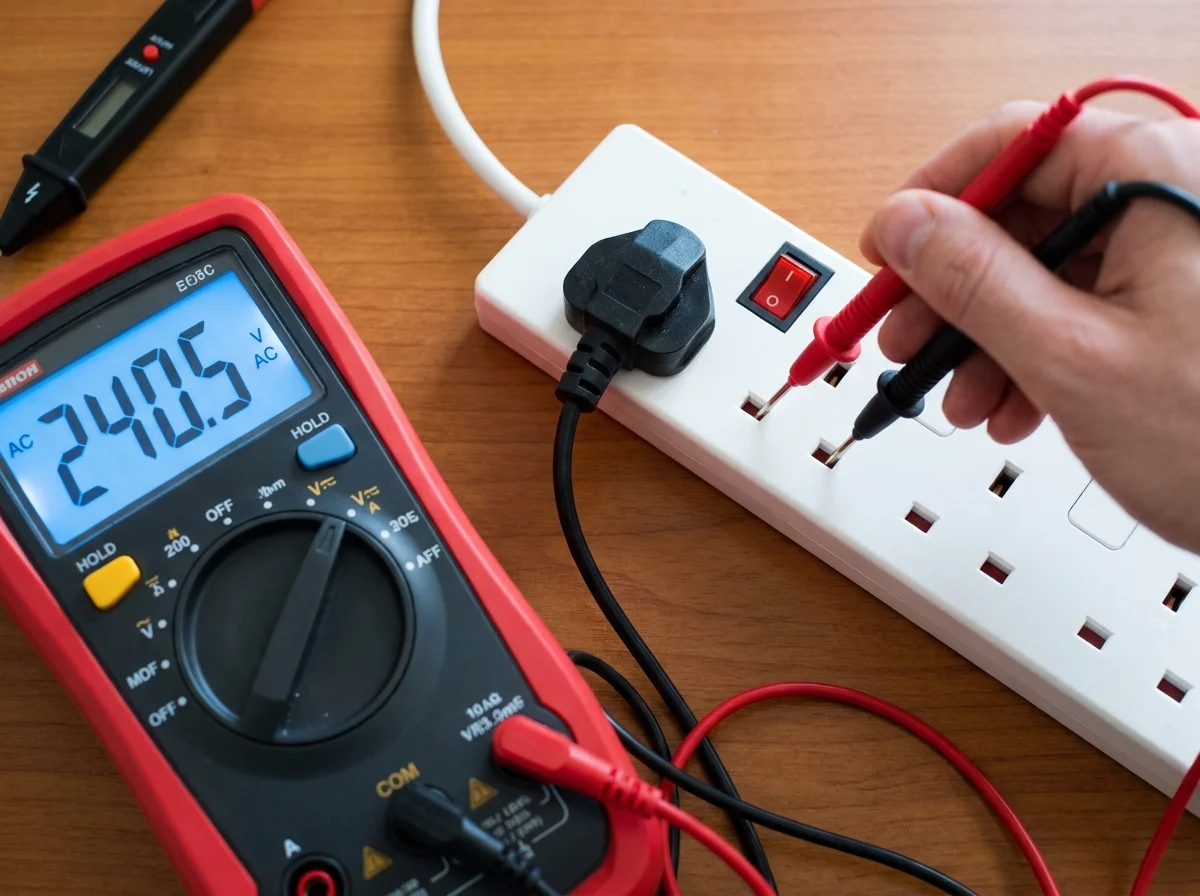
The PAT testing legal requirements London employers and landlords must understand derive from several overlapping pieces of legislation rather than a single dedicated PAT testing regulation.
PAT testing in London starts from £69 and is priced on a per-appliance basis, with the per-item cost reducing as your total appliance count increases. There are no call-out fees within any London borough, and all prices include VAT. A furnished one-bedroom rental property with 10 to 15 appliances typically costs between £69 and £100 for the full service, including the visual inspection, electronic testing, pass or fail labels on every item, and a digital certificate issued once the testing is complete.
Larger properties, HMOs with communal kitchens and multiple letting rooms, and commercial premises with 50 or more appliances are all priced individually with competitive per-item rates. Landlords managing multiple properties across all London boroughs benefit from portfolio pricing, which can significantly reduce the per-appliance cost across a full address list. Call us for a fixed price quote before booking, and we will confirm your total cost with no hidden charges.
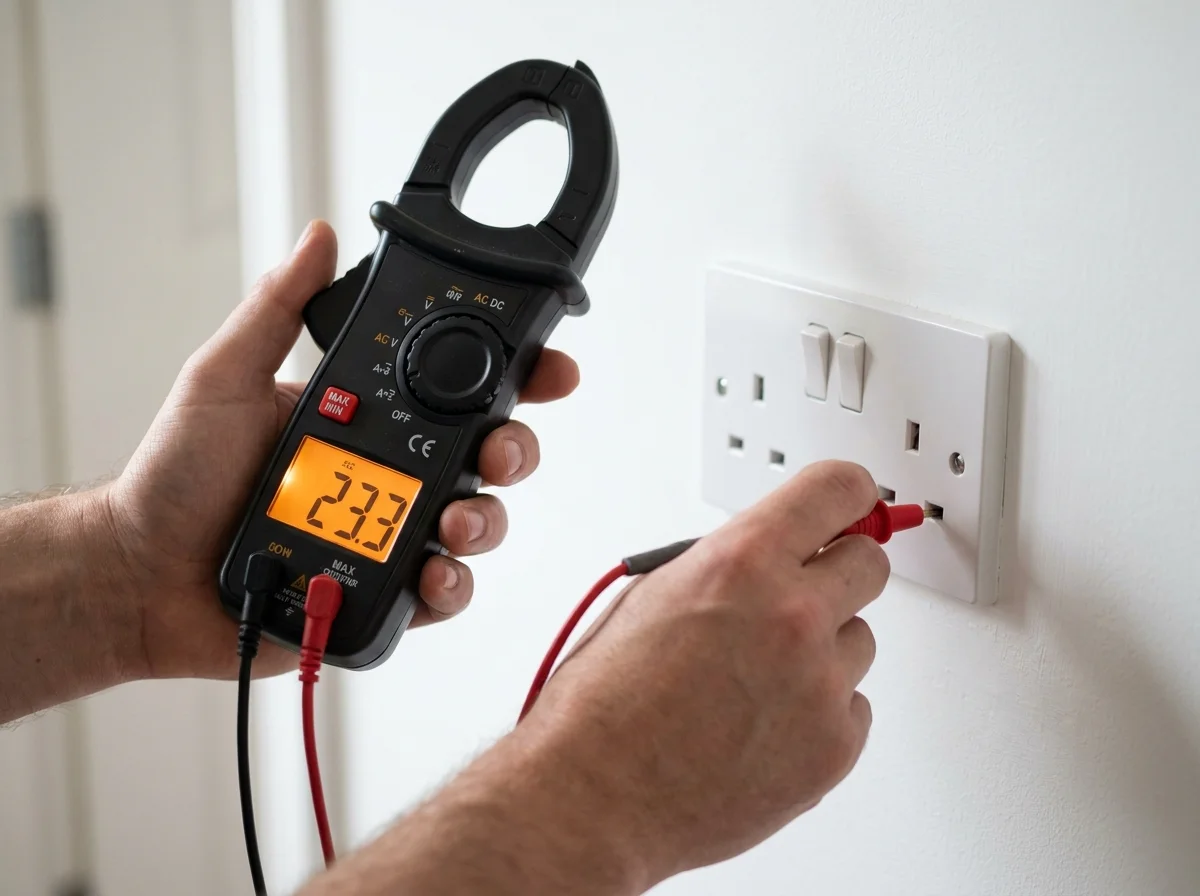
PAT testing for landlords in London applies most directly when the property is furnished, an HMO, or contains shared facilities used regularly by tenants.
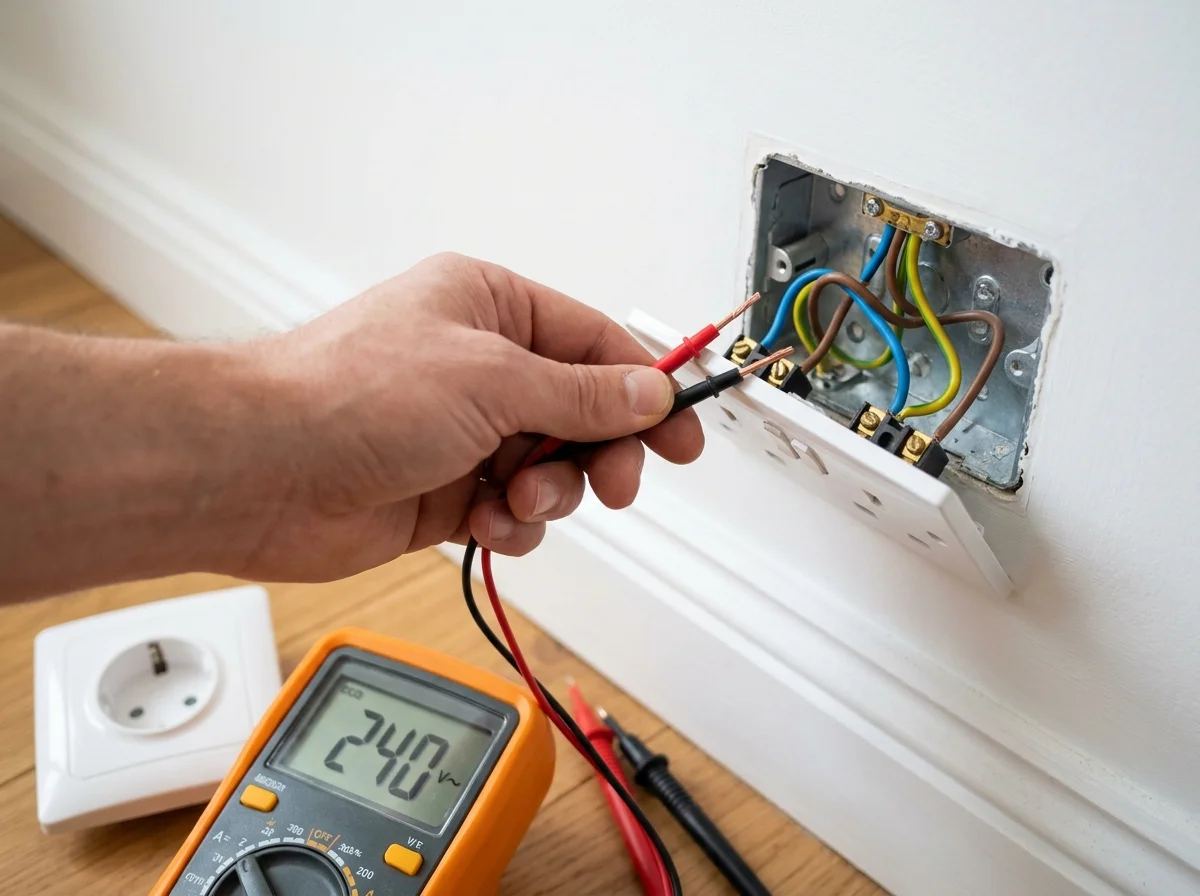
HMO PAT testing London landlords must arrange is a specific compliance requirement under most HMO licence conditions issued by London local authorities under the Housing Act 2004.
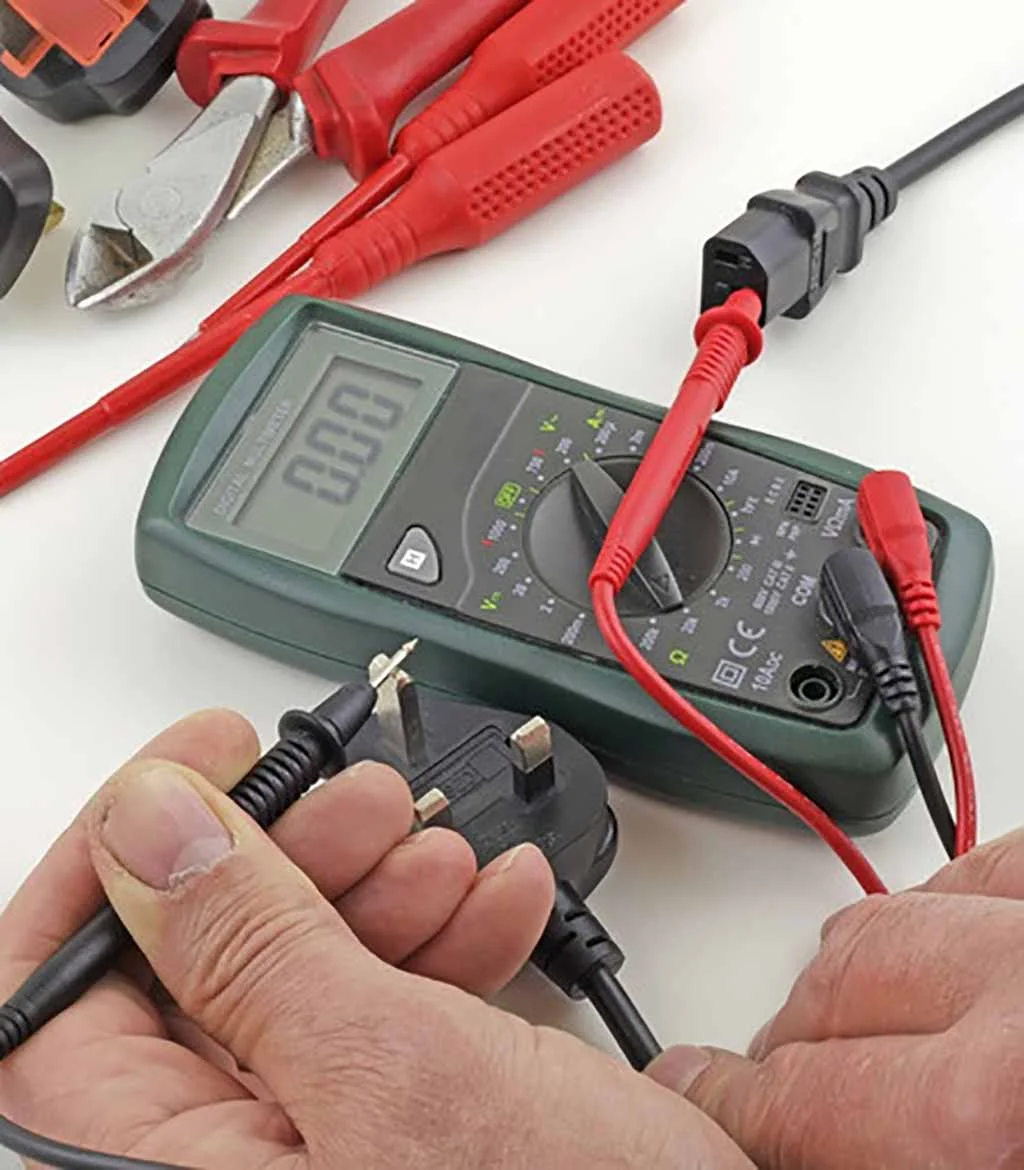
Accredited engineers covering all 32 London boroughs at fixed prices with no hidden fees.
Every engineer holds government-approved accreditation, is fully insured with public liability cover, and is DBS checked.
Every certificate meets current UK legal requirements and is accepted by all London local authorities and letting agents.
All prices confirmed upfront. No call-out charges, no admin fees, and portfolio pricing available for landlords with multiple properties.
Certificates are issued digitally on the day, across all 32 London boroughs, with same-day appointments available Monday to Friday.
How often PAT testing should be done in London depends on the type of premises and the risk environment of the appliances in use. The IET Code of Practice for In-Service Inspection and Testing of Electrical Equipment provides frequency recommendations based on premises type, and these are widely used by London landlords, businesses, and HMO licence holders as the industry standard. For furnished residential lettings and HMOs in London, an annual testing programme is the recommended and most commonly required frequency under HMO licence conditions.
Commercial premises carry different risk profiles depending on the intensity of appliance use. Office environments with computers, monitors, phone chargers, and desk lamps may be tested every one to two years, while premises involving power tools, catering equipment, or high-turnover rental appliances may require more frequent inspection. Our City and Guilds 2377-qualified PAT testers advise on the appropriate testing frequency for your specific premises and set up automatic annual reminders to keep your PAT testing London programme on track and fully compliant.

Commercial PAT testing London business owners, office managers, schools, and retail operators need covers all portable appliances in the workplace under the Electricity at Work Regulations 1989.

A PAT test certificate London landlords and businesses receive from EICR Landlord Cert includes all information required to demonstrate compliance with the Electricity at Work Regulations 1989 and HSE guidance document HSG107.
EICR Landlord Cert provides professional PAT testing services near you across all 32 London boroughs. Our City and Guilds 2377-qualified engineers carry out fast, reliable portable appliance testing with same-day inspection available Monday to Friday and no travel supplements within Greater London.
One call arranges your complete portable appliance testing London service, with fixed pricing confirmed upfront, all appliances labelled, and a digital PAT test certificate issued once the testing is complete. We understand the specific PAT testing requirements that apply to furnished lets, HMOs, and commercial premises across each London borough, and our engineers are experienced in working efficiently around tenants and employees to minimise disruption. We also provide EICR certificates, Gas Safety certificates, and EPC certificates to help London landlords and businesses manage all electrical and energy compliance from one trusted, reliable provider with no hidden fees.
PAT testing stands for Portable Appliance Testing, a programme of visual inspection and electronic testing applied to portable electrical appliances to verify they are safe for continued use. It is the recognised method by which London landlords, employers, and business owners demonstrate compliance with the Electricity at Work Regulations 1989 and the Health and Safety at Work Act 1974.
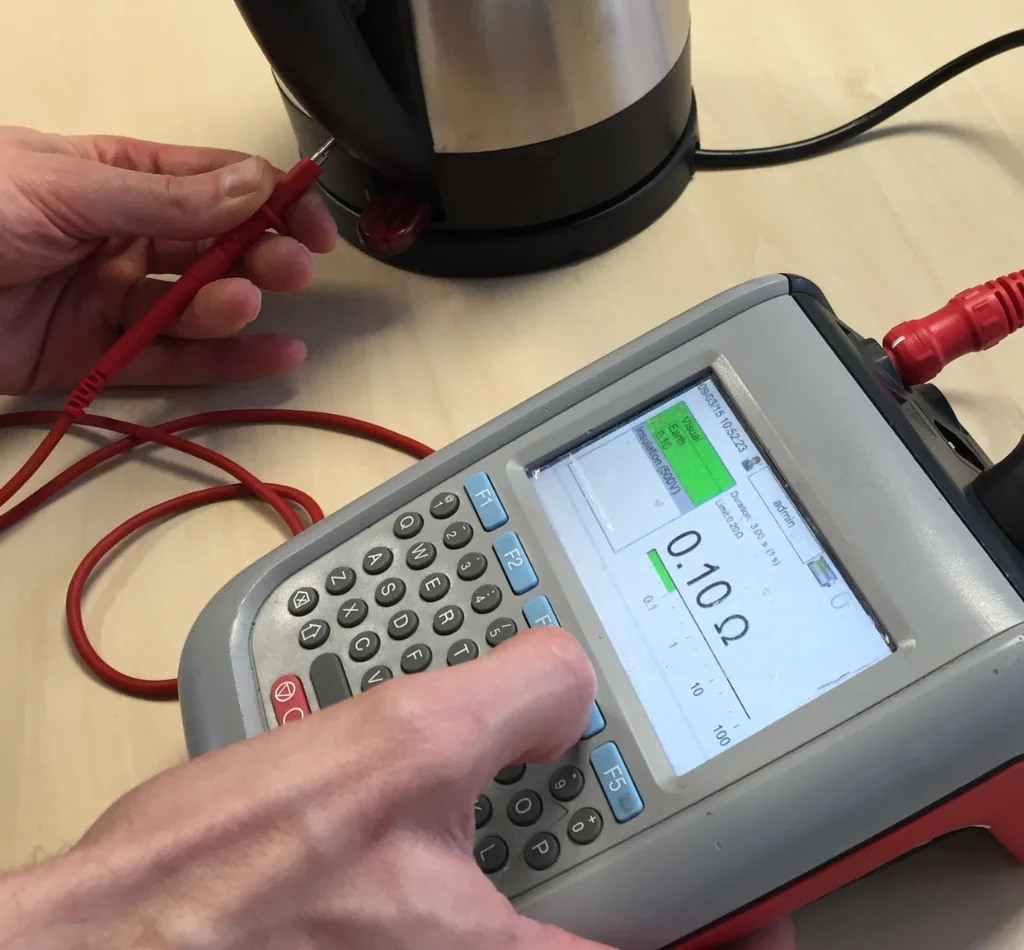
The visual inspection checks the appliance body, plug, cable, fuse, and label for signs of damage, frayed cables, cracked casings, incorrect fuse ratings, or burn marks. Electronic testing uses a calibrated PAT tester to measure earth continuity, insulation resistance, or substitute leakage depending on the appliance class, with results compared against the pass or fail thresholds in BS EN 62353 and the IET Code of Practice.
Appliances that pass both stages receive a clearly dated pass label and are recorded in the PAT tester report. Appliances that fail are labelled, removed from service immediately, and documented in the certificate with full details of the defect found.
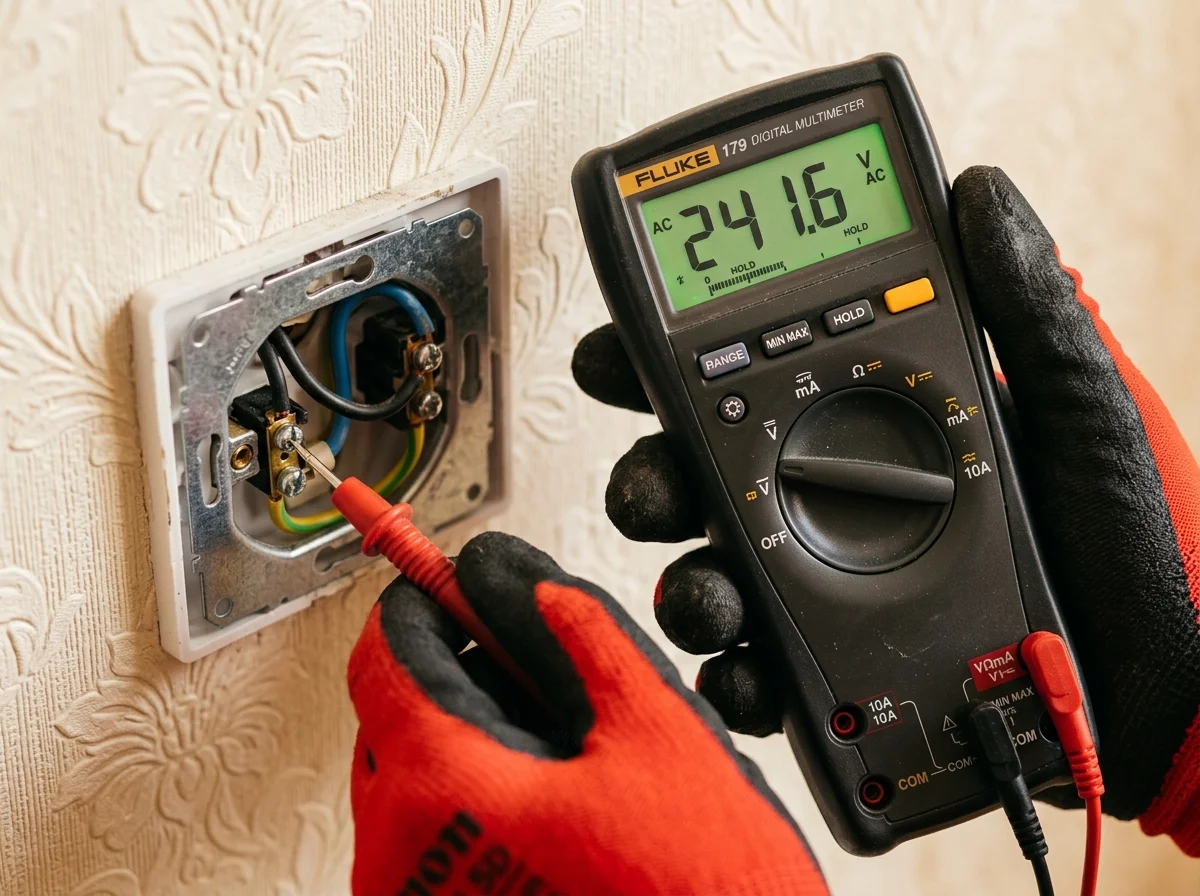
PAT testing, or Portable Appliance Testing, is the process of visually inspecting and electronically testing portable electrical appliances to verify they are safe for continued use. It involves a visual check of the appliance, plug, cable, and fuse followed by electronic testing using a calibrated PAT tester. Each appliance receives a clearly dated pass or fail label, and a full PAT test certificate recording all results is issued.
There is no single piece of legislation that mandates PAT testing by name, but London landlords who provide electrical appliances in furnished lets or HMOs have a legal duty under the Electricity at Work Regulations 1989, the Health and Safety at Work Act 1974, and the Landlord and Tenant Act 1985 to make sure those appliances are safe. PAT testing by a qualified, competent person is the industry-recognised method of demonstrating that duty has been met.
PAT testing in London starts from £69 at EICR Landlord Cert, priced on a per-appliance basis, with the per-item rate reducing as the total appliance count increases. There are no call-out charges within Greater London, and all prices include VAT, the engineer visit, visual and electronic testing, pass-or-fail labels on every appliance, and a digital PAT test certificate issued once the testing is complete. Portfolio pricing is available for landlords managing multiple properties across all London boroughs.
For furnished residential lettings and HMOs in London, annual PAT testing is best practice and is the interval most commonly required by HMO licence conditions issued by London local authorities. Commercial premises and higher-risk environments may require more frequent testing depending on appliance use intensity and the results of your health and safety risk assessment. Our City and Guilds 2377-qualified engineers can advise on the appropriate interval for your specific premises type.
Any portable electrical appliance supplied by the landlord in a furnished let or HMO should be included in a regular PAT testing programme. This includes kettles, toasters, microwaves, washing machines, tumble dryers, fridges, televisions, lamps, vacuum cleaners, electric heaters, and extension leads. Fixed wiring and permanently installed electrical equipment are covered by an EICR electrical installation condition report rather than PAT testing.
A furnished one-bedroom flat with 10 to 15 appliances typically takes between 30 and 60 minutes to complete. Larger HMOs or commercial premises with 50 or more appliances may require a two- to three-hour or a full-day visit depending on the total inventory. Our experienced engineers work efficiently to minimise disruption, and the digital PAT test certificate is issued once the testing is complete.
Pass and fail criteria follow the IET Code of Practice for In-Service Inspection and Testing. For Class I appliances, earth continuity resistance must be below the specified limit, and insulation resistance must typically exceed 1 megohm at 500V DC. Class II appliances must meet the relevant insulation resistance requirement for their type. Any appliance that presents a damaged cable, cracked plug, broken casing, incorrect fuse, or obvious burn damage also fails the visual inspection regardless of the electronic test result.
London landlords who provide furnished properties or HMOs are strongly advised to arrange regular PAT testing for all supplied appliances. The Electricity at Work Regulations 1989 require all electrical equipment in premises you are responsible for to be maintained in a safe condition. HMO licence conditions issued by most London boroughs make PAT testing an explicit requirement, and a documented annual testing programme provides clear evidence of compliance for any licence review or HSE inspection.
A full PAT test includes a visual inspection of the appliance body, cable, plug, and fuse for any damage or defect, followed by electronic testing using a calibrated PAT tester. Tests carried out include earth continuity for Class I appliances, insulation resistance for all appliances, and substitute leakage current where required.
A PAT test certificate does not carry a fixed statutory validity period. Its practical validity is the recommended re-testing interval for your premises type, typically 12 months for furnished residential lets and HMOs in London under HMO licence conditions. Retaining PAT test records for a minimum of five years provides a clear and auditable compliance history for any HMO licensing authority review, Health and Safety Executive inspection, or insurance claim.
Aldgate (E1), Barbican (EC2), Belgravia (SW1), Blackfriars (EC4), Bloomsbury (WC1), Borough (SE1), Cannon Street (EC4), Chancery Lane (WC2), Charing Cross (WC2), City of London (EC1, EC2, EC3, EC4), Clerkenwell (EC1), Covent Garden (WC2), Embankment (WC2), Euston (NW1), Farringdon (EC1), Fitzrovia (W1), Holborn (WC1, WC2), Hyde Park (W2), Kennington (SE11), King’s Cross (N1, WC1), Knightsbridge (SW1, SW7), Lambeth (SE1, SE11), Lincoln’s Inn Fields (WC2), Liverpool Street (EC2), London Bridge (SE1), Marble Arch (W1), Marylebone (W1), Mayfair (W1), Moorgate (EC2), Old Street (EC1), Oxford Circus (W1), Paddington (W2), Piccadilly (W1), Pimlico (SW1), Regent Street (W1), Shoreditch (E1, EC2), Smithfield (EC1), Soho (W1), South Bank (SE1), Southwark (SE1), St James’s (SW1), St Pancras (NW1), St Paul’s (EC4), Strand (WC2), Temple (WC2), Tower Hill (EC3), Trafalgar Square (WC2), Vauxhall (SW8), Victoria (SW1), Waterloo (SE1), Westminster (SW1), Whitehall (SW1), Abbey Wood (SE2), Barking (IG11), Barkingside (IG6), Beckton (E6), Becontree (RM8, RM9), Bethnal Green (E2), Blackwall (E14), Bow (E3), Canning Town (E16), Canary Wharf (E14), Chadwell Heath (RM6), Chingford (E4), Clapton (E5), Collier Row (RM5), Custom House (E16), Dagenham (RM8, RM9, RM10), Docklands (E14, E16), East Ham (E6), Elm Park (RM12), Emerson Park (RM11), Forest Gate (E7), Gants Hill (IG2), Gidea Park (RM2), Globe Town (E2), Goodmayes (IG3), Hackney (E8, E9), Hackney Wick (E9), Haggerston (E2), Hainault (IG7), Harold Hill (RM3), Harold Wood (RM3), Havering-atte-Bower (RM4), Higham Hill (E17), Homerton (E9), Hornchurch (RM11, RM12), Hoxton (N1), Ilford (IG1, IG2, IG3, IG4, IG5, IG6), Isle of Dogs (E14), Leyton (E10), Leytonstone (E11), Limehouse (E14), Little Ilford (E12), Manor Park (E12), Mile End (E1, E3), Newbury Park (IG2), North Woolwich (E16), Old Ford (E3), Plaistow (E13), Poplar (E14), Rainham (RM13), Redbridge (IG4), Romford (RM1, RM2, RM7), Rush Green (RM7), Seven Kings (IG3), Shadwell (E1), Silvertown (E16), South Hornchurch (RM13), South Woodford (E18), Stamford Hill (N16), Stepney (E1), Stoke Newington (N16), Stratford (E15, E20), Tower Hamlets (E1, E2, E3, E14), Upminster (RM14), Upton Park (E6, E13), Walthamstow (E17), Wanstead (E11), Wapping (E1W), West Ham (E15), Whitechapel (E1), Woodford (E18, IG8), Woodford Green (IG8), Alexandra Palace (N22), Arnos Grove (N11), Barnet (EN5), Bounds Green (N11), Bowes Park (N11, N22), Brent Cross (NW4), Brimsdown (EN3), Broadgate (N14), Bruce Grove (N17), Brunswick Park (N11), Burnt Oak (HA8), Bush Hill Park (EN1), Camden Town (NW1), Canonbury (N1), Chalk Farm (NW1), Cockfosters (EN4), Colindale (NW9), Cricklewood (NW2), Crouch End (N8), Dollis Hill (NW2, NW10), East Barnet (EN4), East Finchley (N2), Edgware (HA8), Edmonton (N9, N18), Enfield (EN1, EN2, EN3), Enfield Highway (EN3), Finchley (N3, N12), Finsbury Park (N4), Forty Hill (EN2), Friern Barnet (N11), Golders Green (NW11), Gospel Oak (NW3, NW5), Grange Park (N21), Hadley Wood (EN4), Hampstead (NW3), Hampstead Garden Suburb (NW11), Haringey (N4, N8, N15), Harringay (N4, N8, N15), Hendon (NW4), Highams Park (E4), Highbury (N5), Highgate (N6), Holloway (N7, N19), Hornsey (N8), Islington (N1), Kentish Town (NW5), Kilburn (NW6), Kingsbury (NW9), Lower Edmonton (N9), Manor House (N4), Mill Hill (NW7), Monken Hadley (EN5), Muswell Hill (N10), Neasden (NW2, NW10), New Barnet (EN5), New Southgate (N11), North Finchley (N12), Oakleigh Park (N20), Oakwood (N14), Palmers Green (N13), Ponders End (EN3), Queen’s Park (NW6, NW10), South Tottenham (N15), Southgate (N14), Swiss Cottage (NW3), Tottenham (N15, N17), Tottenham Hale (N17), Totteridge (N20), Tufnell Park (N7, N19), Turnpike Lane (N8, N15), Upper Edmonton (N18), Upper Holloway (N19), Whetstone (N20), Willesden (NW2, NW10), Winchmore Hill (N21), Wood Green (N22), Woodside Park (N12), Addington (CR0), Anerley (SE20), Balham (SW12), Battersea (SW11), Beckenham (BR3), Bellingham (SE6), Belmont (SM2), Bermondsey (SE1, SE16), Bexley (DA5), Bexleyheath (DA6, DA7), Biggin Hill (TN16), Blackheath (SE3), Bostall Heath (SE2), Brixton (SW2, SW9), Brockley (SE4), Bromley (BR1, BR2), Camberwell (SE5), Carshalton (SM5), Catford (SE6), Charlton (SE7), Cheam (SM3), Chislehurst (BR7), Clapham (SW4, SW11), Colliers Wood (SW19), Coulsdon (CR5), Crayford (DA1), Cricket Green (CR4), Croydon (CR0, CR9), Crystal Palace (SE19, SE20), Deptford (SE8), Downham (BR1), Dulwich (SE21, SE22, SE24), East Dulwich (SE22), Eltham (SE9), Erith (DA8, DA18), Falconwood (SE9), Forest Hill (SE23), Foots Cray (DA14), Greenwich (SE10), Grove Park (SE12), Herne Hill (SE24), Hither Green (SE13), Honor Oak (SE23), Kidbrooke (SE3, SE9), Lambeth (SE1, SE11), Lee (SE12), Lewisham (SE13), Locksbottom (BR6), Merton (SW19, SW20), Mitcham (CR4), Morden (SM4), Mottingham (SE9), New Addington (CR0), New Cross (SE14), Norbury (SW16), Norwood (SE19, SE25, SE27), Nunhead (SE15), Old Coulsdon (CR5), Orpington (BR5, BR6), Peckham (SE15), Penge (SE20), Plumstead (SE18), Pollards Hill (SW16), Purley (CR8), Putney (SW15), Roehampton (SW15), Rotherhithe (SE16), Sanderstead (CR2), Selhurst (SE25), Shirley (CR0), Sidcup (DA14, DA15), South Croydon (CR2), South Norwood (SE25), Stockwell (SW9), Streatham (SW16), Sutton (SM1, SM2), Sydenham (SE26), Thamesmead (SE2, SE28), Thornton Heath (CR7), Tooting (SW17), Tulse Hill (SE27), Upper Norwood (SE19), Wallington (SM6), Walworth (SE17), Wandsworth (SW18), Welling (DA16), West Dulwich (SE21), West Norwood (SE27), West Wickham (BR4), Wimbledon (SW19, SW20), Woolwich (SE18), Acton (W3), Alperton (HA0), Barnes (SW13), Bayswater (W2), Bedford Park (W4), Boston Manor (TW8), Brentford (TW8), Brook Green (W6), Chelsea (SW3, SW10), Chiswick (W4), Cranford (TW5), Ealing (W5, W13), Earls Court (SW5), East Sheen (SW14), Eastcote (HA5), Feltham (TW13, TW14), Fulham (SW6), Greenford (UB6), Gunnersbury (W4), Hammersmith (W6), Hampton (TW12), Hampton Hill (TW12), Hanwell (W7), Hanworth (TW13), Harefield (UB9), Harlesden (NW10), Harlington (UB3), Harrow (HA1, HA2, HA3), Harrow on the Hill (HA1), Harrow Weald (HA3), Hatch End (HA5), Hatton (TW14), Haven Green (W5), Hayes (UB3, UB4), Heston (TW5), Hillingdon (UB8, UB10), Holland Park (W11), Hounslow (TW3, TW4), Ickenham (UB10), Isleworth (TW7), Kensal Green (NW10), Kensal Rise (NW10), Kensington (W8, W14), Kew (TW9), Kingston upon Thames (KT1, KT2), Kingston Vale (SW15), Ladbroke Grove (W10, W11), Little Venice (W9), Maida Vale (W9), Mortlake (SW14), New Malden (KT3), North Kensington (W10), Northolt (UB5), Northwood (HA6), Notting Hill (W11), Osterley (TW7), Park Royal (NW10), Perivale (UB6), Pinner (HA5), Raynes Park (SW20), Richmond (TW9, TW10), Ruislip (HA4), Shepherd’s Bush (W12), South Kensington (SW7), South Ruislip (HA4), Southall (UB1, UB2), Southfields (SW18), St John’s Wood (NW8), Stanmore (HA7), Strawberry Hill (TW1), Surbiton (KT5, KT6), Teddington (TW11), Twickenham (TW1, TW2), Uxbridge (UB8), Wembley (HA0, HA9), West Brompton (SW10), West Drayton (UB7), West Ealing (W13), West Hampstead (NW6), West Kensington (W14), Whitton (TW2), Worcester Park (KT4).
Counties and Council areas in and near London that we cover include Greater London, City of London, City of Westminster, and all 32 London Boroughs.