- Monday - Friday 09:00-18:00
- 0203 633 9146

PAT testing is the in-service inspection and testing of portable electrical appliances, and it is a key health and safety obligation for landlords, businesses, and employers throughout England. The Electricity at Work Regulations 1989 impose a legal duty on anyone who controls premises to make sure all electrical equipment under their control is maintained in a safe condition, and the Health and Safety at Work Act 1974 reinforces this duty of care for employers and the self-employed. At EICR Landlord Cert, our City and Guilds 2377-qualified PAT testers carry out portable appliance testing from £69, with fixed pricing, pass-or-fail labels applied to every appliance, and a full digital certificate issued once the testing is complete.
We are fully insured with public liability cover, every engineer is DBS checked, and every engineer holds City and Guilds 2377 PAT testing qualifications, is experienced in both Class I and Class II appliance testing, and uses calibrated test equipment traceable to national standards. Whether you manage a furnished residential letting, an HMO, a commercial office, a school, or a hotel, our reliable PAT testers deliver a thorough inspection and issue a complete PAT tester report covering every appliance inspected.
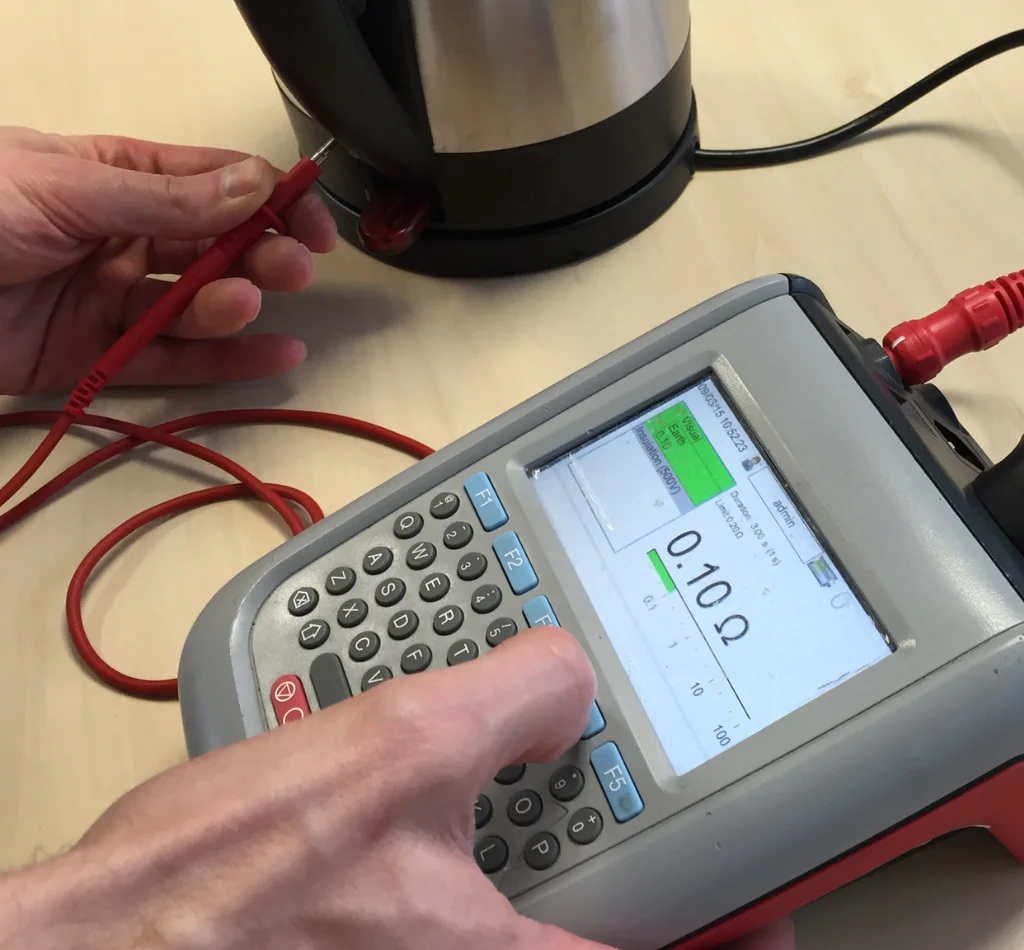
Portable appliance testing is a formal programme of visual inspection and electronic testing designed to identify unsafe electrical appliances before they can cause harm to tenants, employees, or members of the public. The IET Code of Practice for In-Service Inspection and Testing of Electrical Equipment (4th Edition) is the industry-recognised guide setting out recommended testing frequencies, test categories, and pass or fail criteria for each appliance class. Class I appliances, such as kettles, toasters, electric heaters, washing machines, and power tools, require an earth bond test and an insulation resistance test. Class II appliances, such as laptops, phone chargers, televisions, and monitors, require an insulation resistance test only, as they rely on double insulation rather than an earth connection.
Our City and Guilds 2377-qualified PAT testers work through your full appliance inventory, carrying out both the visual inspection and the electronic test on every item. Each appliance that passes receives a clearly dated pass label, and any item that fails is labelled accordingly, removed from service immediately, and recorded in the report with full details of the defect found. A complete digital PAT tester report is issued once the testing is complete, covering every appliance inspected, all individual test results, and a full list of pass and fail outcomes for your compliance records.
The visual inspection checks the appliance body, plug, cable, fuse, and label for signs of damage, frayed cables, cracked casings, incorrect fuse ratings, or burn marks. Electronic testing uses a calibrated PAT tester to measure earth continuity, insulation resistance, or substitute leakage depending on the appliance class, with results compared against the pass or fail thresholds set out in BS EN 62353 and the IET Code of Practice.
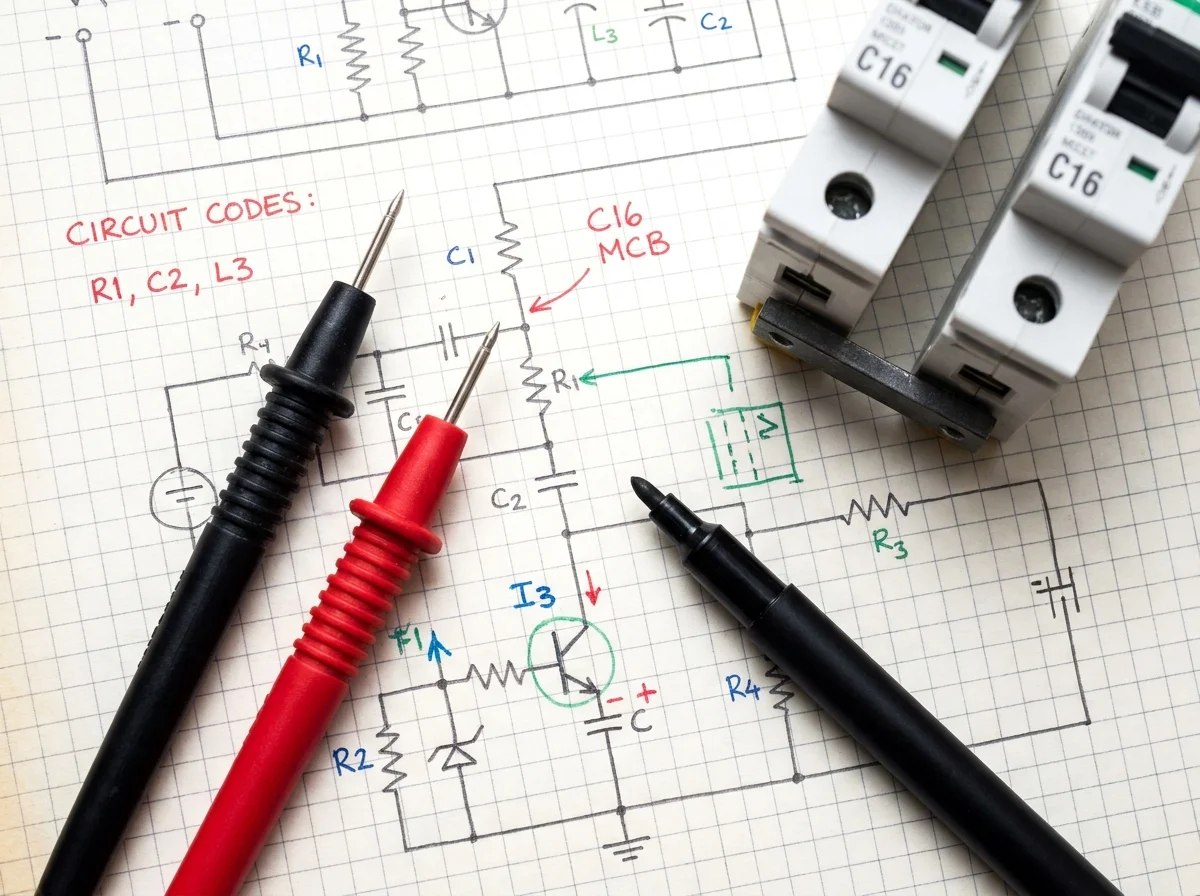
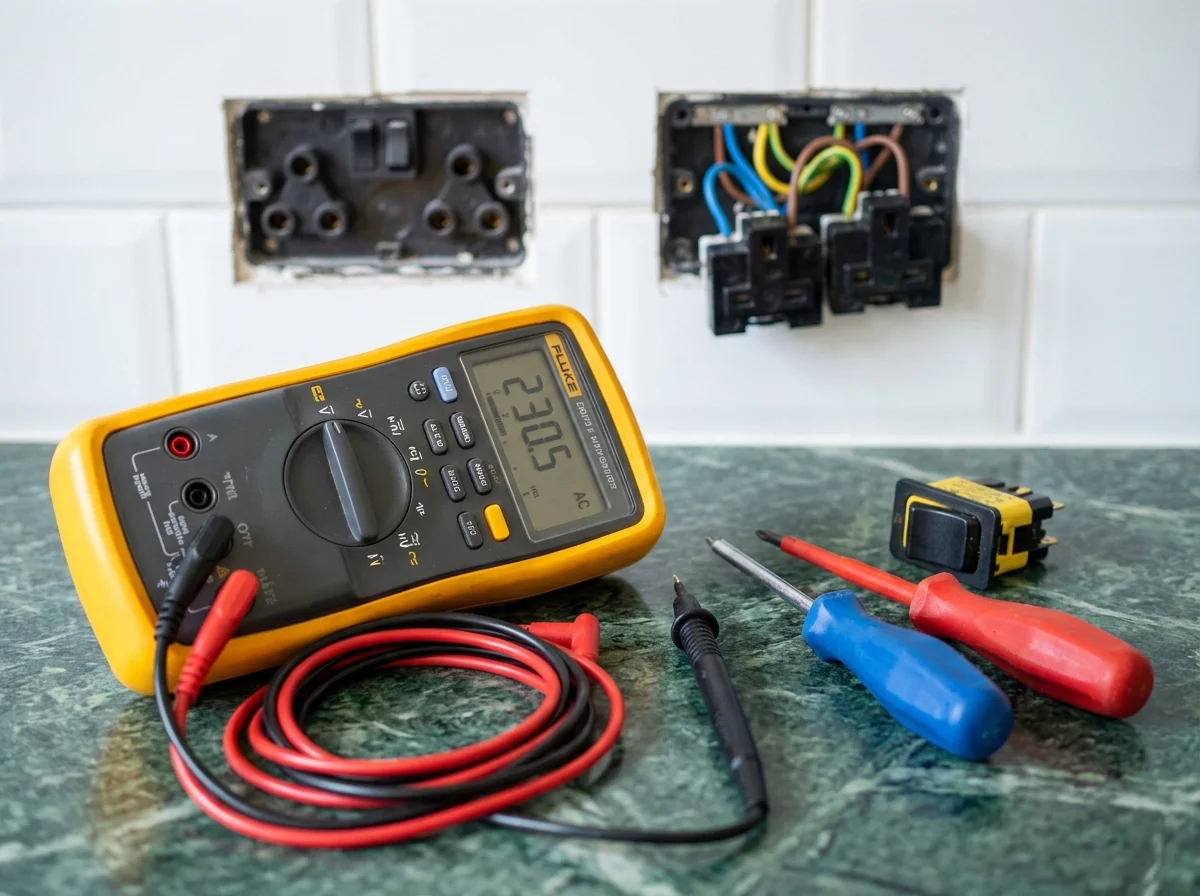
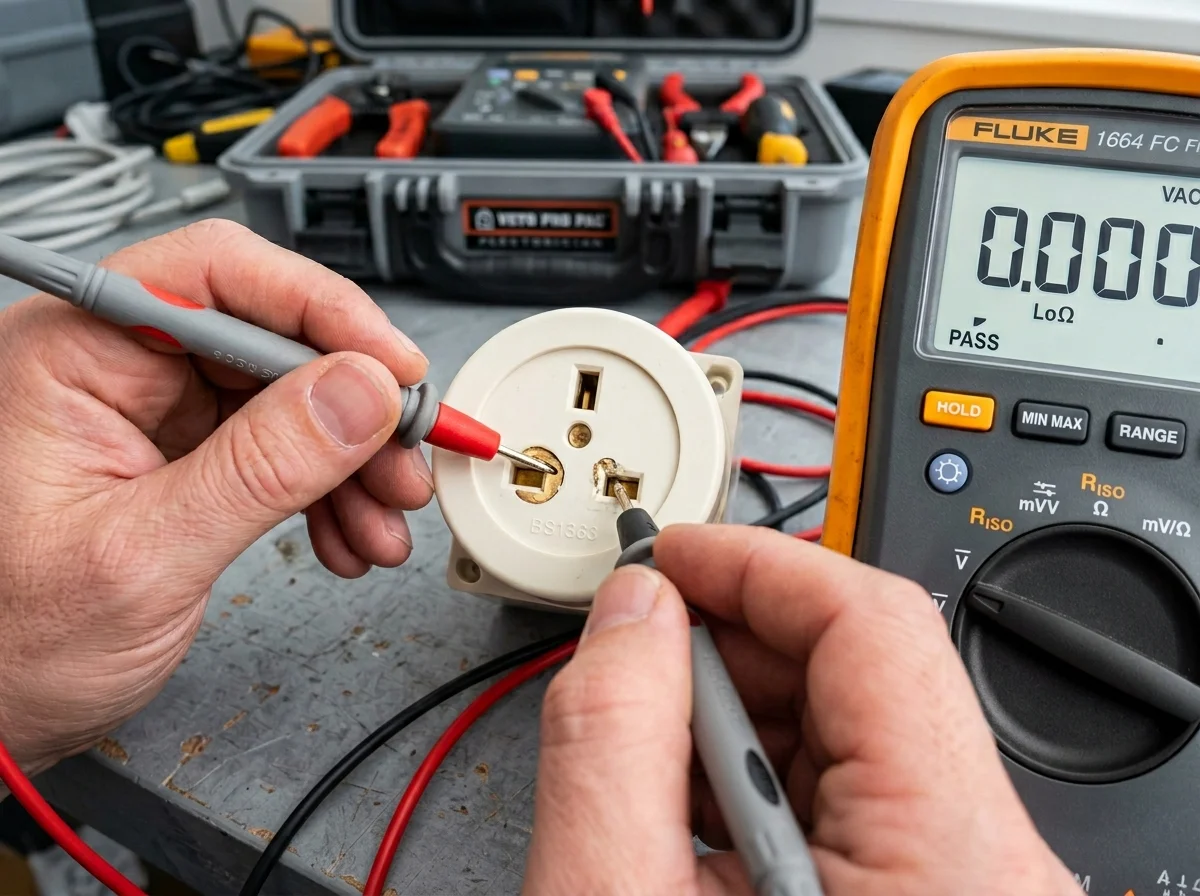
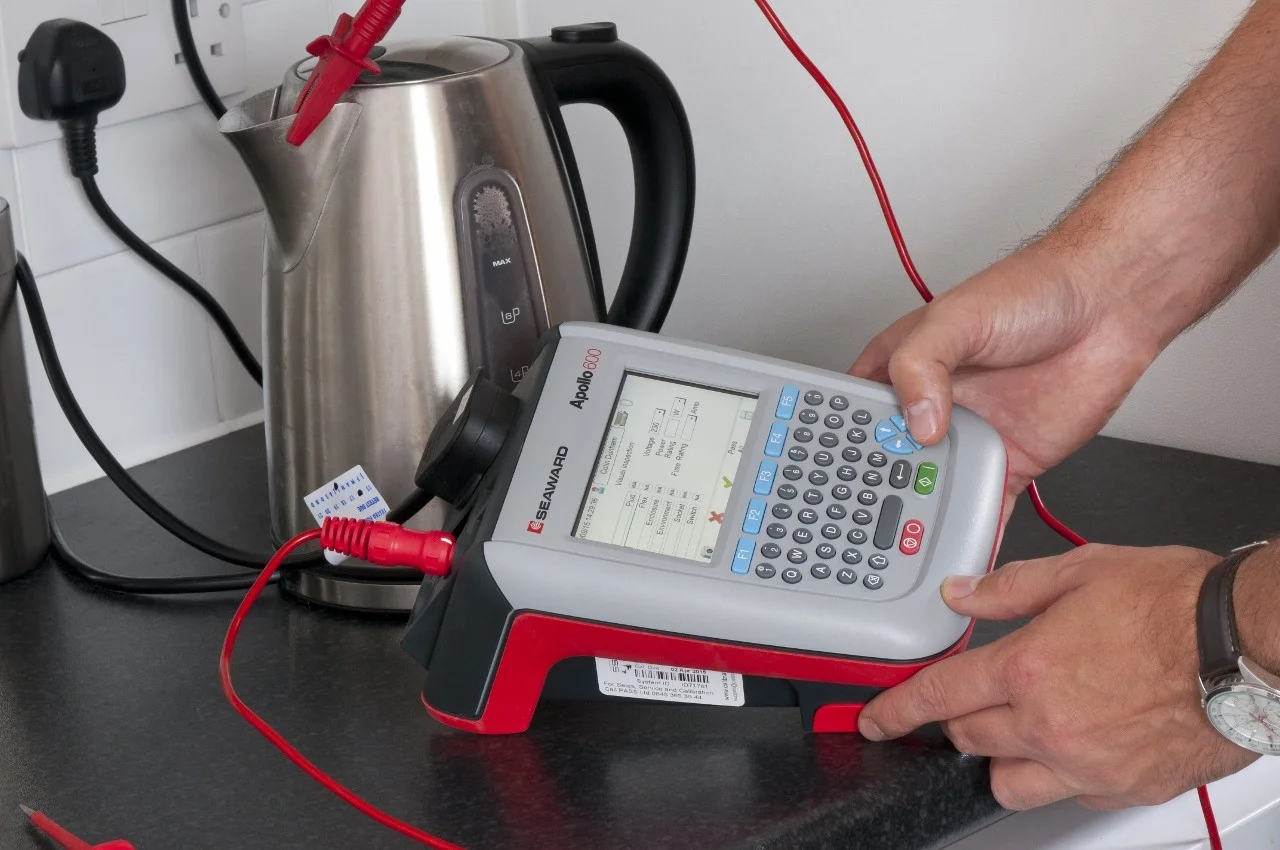
PAT testing for landlords applies most directly when the property is furnished, an HMO, or contains shared facilities where electrical appliances are provided for tenants to use on a regular basis.
Landlord PAT testing records should be kept for a minimum of five years to demonstrate an ongoing in-service inspection programme, and our engineers produce a complete appliance inventory with individual test results and a digital PAT tester report once the testing is complete.
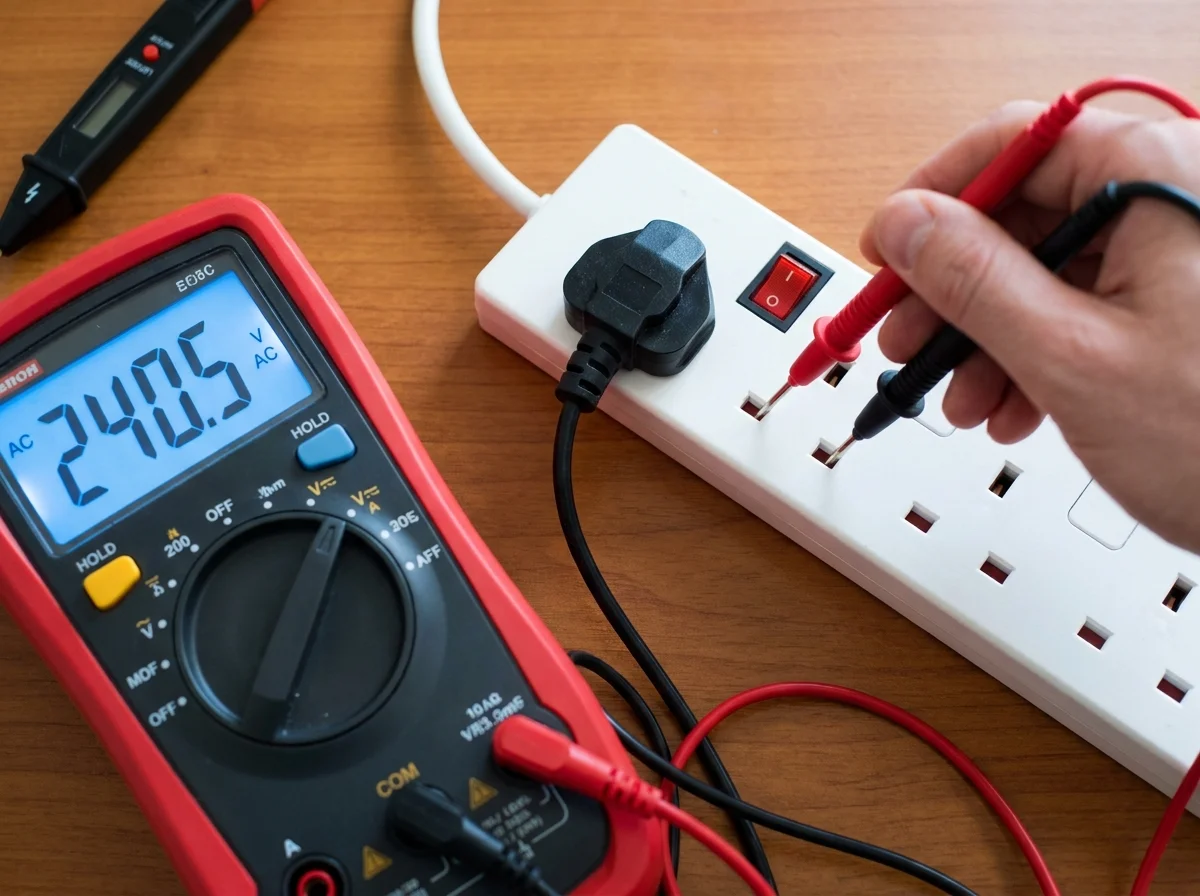
The legal requirements for PAT testing derive from several overlapping pieces of legislation rather than a single dedicated PAT testing regulation, which is why understanding the full compliance picture matters for landlords and employers.
PAT testing by a City and Guilds 2377-qualified engineer is the industry-recognised method of demonstrating compliance and provides a clear, auditable record for any local authority inspection, HMO licence review, or insurance assessment.
PAT testing starts from £69 and is priced on a per-appliance basis, with the per-item cost reducing as your total appliance count increases. There are no call-out fees and all prices include VAT. A furnished one-bedroom rental property with 10 to 15 appliances typically costs between £69 and £100 for the complete service, including the visual inspection, electronic testing, pass or fail labels on every appliance, and a full digital certificate issued once the testing is complete. Larger properties, HMOs with communal kitchens and multiple letting rooms, and commercial premises with 50 or more appliances are all priced individually with competitive per-item rates.
Landlords and businesses managing multiple properties benefit from portfolio pricing, which can significantly reduce the per-appliance cost across a full address list. Call us for a fixed price quote before booking, and we will confirm your total cost with no hidden charges before our engineer attends. We also provide EICR certificates, Gas Safety certificates, and EPC certificates for landlords and property owners. If you are based in London, visit our PAT Testing London page for location-specific pricing and booking details.
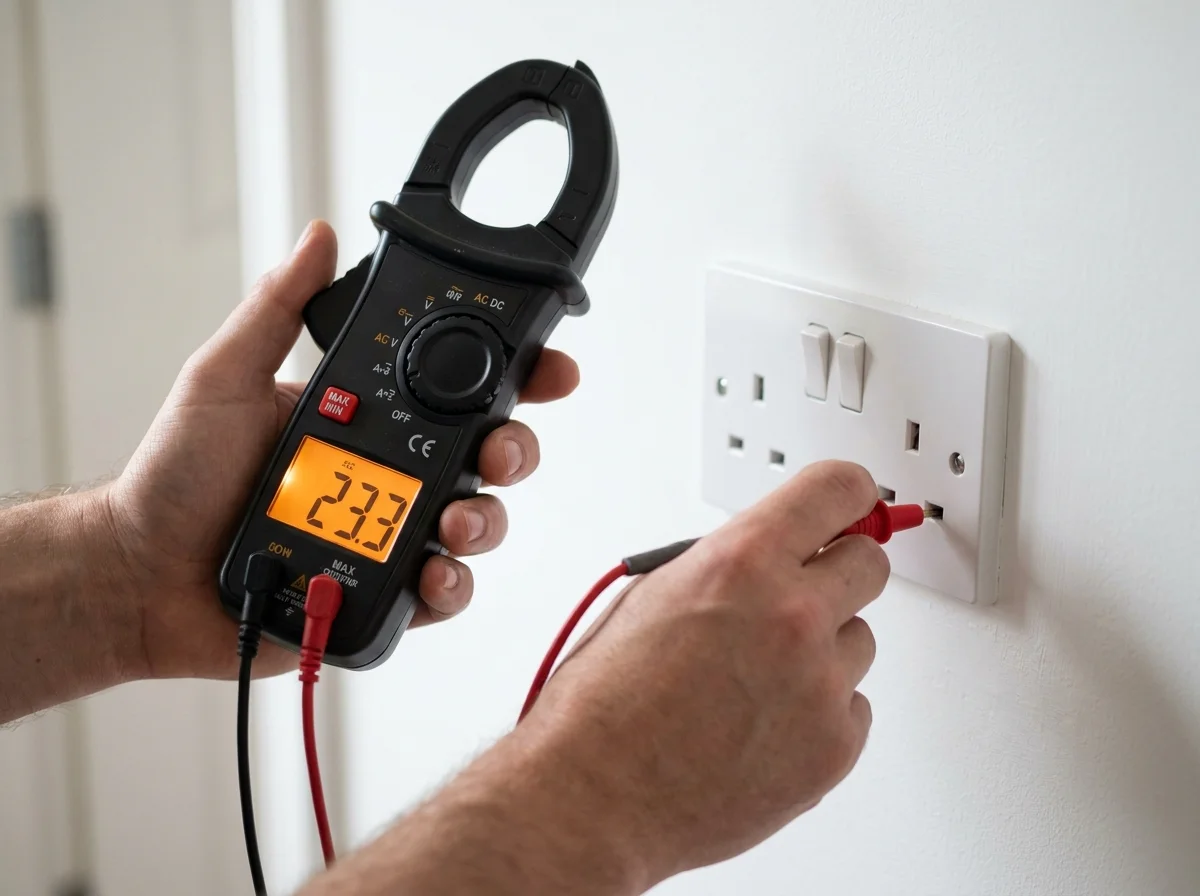
Commercial PAT testing covers all portable appliances in the workplace under the Electricity at Work Regulations 1989 and applies to offices, retail stores, schools, hotels, restaurants, warehouses, and any other premises where electrical appliances are used by employees or members of the public.
Commercial premises with higher-risk environments, such as catering kitchens or construction sites, may require more frequent PAT testing than standard office environments, and our engineers advise on the appropriate testing frequency based on the IET Code of Practice recommendations for your premises type.
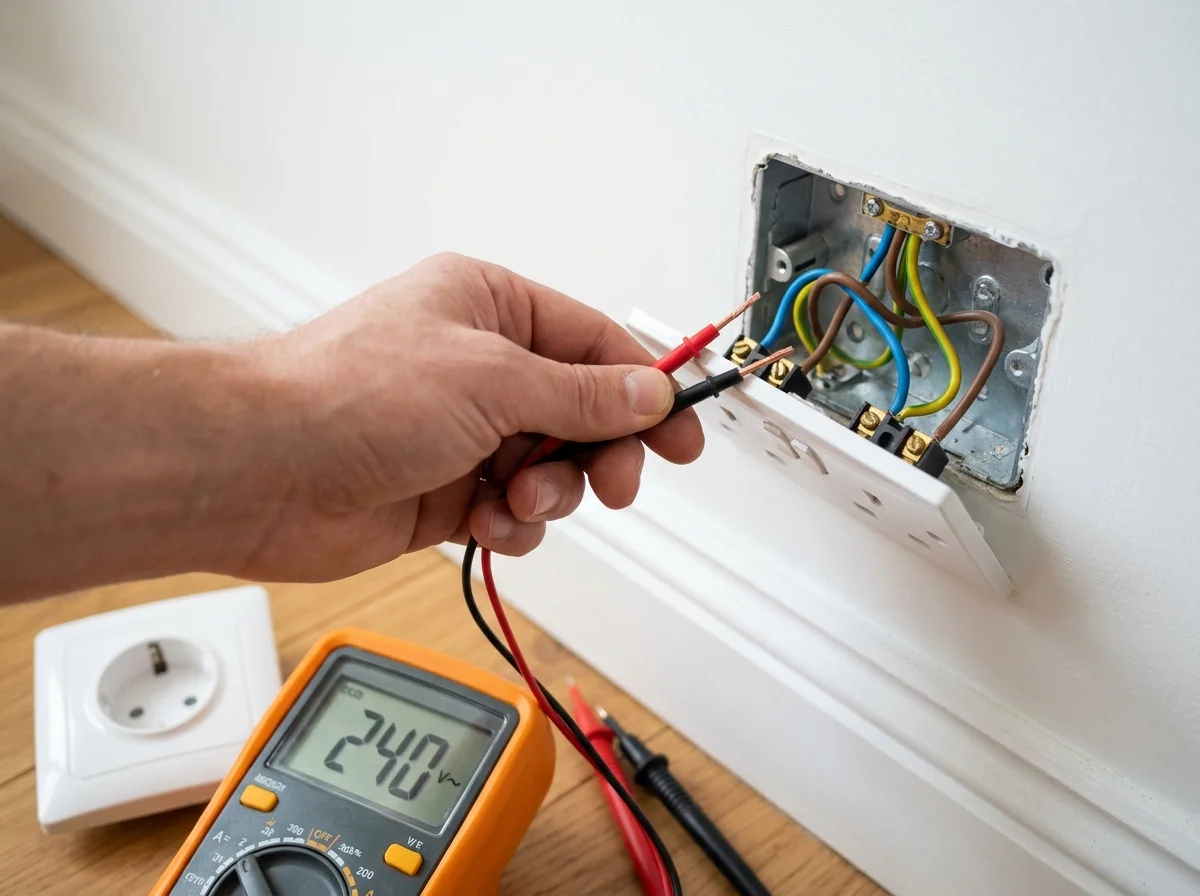
Domestic PAT testing covers all portable electrical appliances supplied by a landlord in a furnished residential letting, from a single bedsit to a large HMO with multiple letting rooms and communal facilities.
Every domestic PAT test includes a full visual inspection and electronic testing on every appliance, with pass or fail labels applied and a complete certificate issued once the testing is complete.
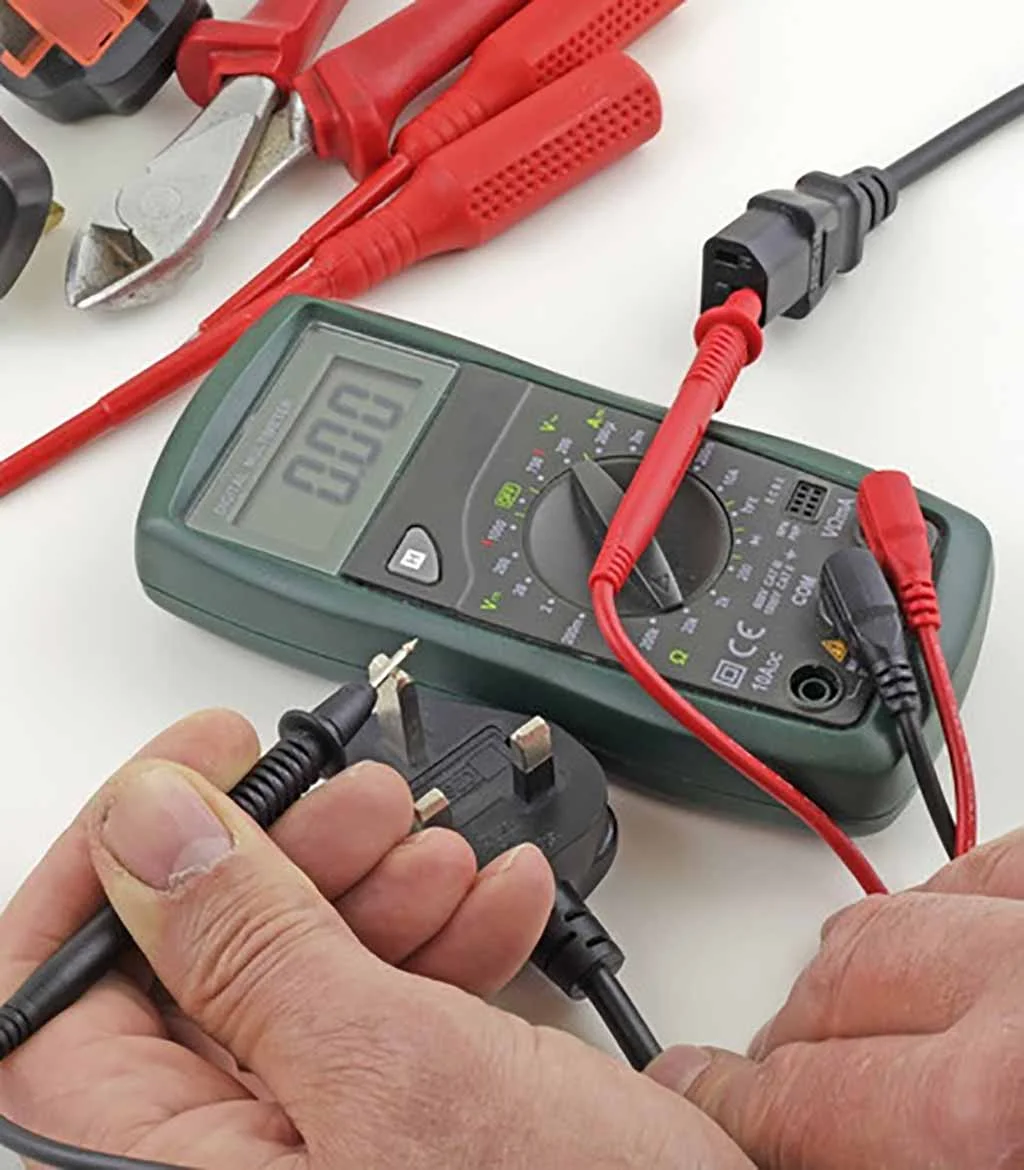
Accredited engineers covering your area at fixed prices with no hidden fees.
Every engineer holds government-approved accreditation, is fully insured with public liability cover, and is DBS checked.
Every certificate meets current UK legal requirements and is accepted by all local authorities and letting agents nationwide.
All prices confirmed upfront. No call-out charges, no admin fees, and portfolio pricing available for landlords with multiple properties.
Certificates are issued digitally once the inspection is complete, with same-day inspection available Monday to Friday wherever your property is located.
How often PAT testing should be carried out depends on the type of premises and the risk level of the appliances in use, as set out in the IET Code of Practice for In-Service Inspection and Testing of Electrical Equipment. The IET Code of Practice does not prescribe fixed intervals by law but provides frequency recommendations based on premises type that are widely used as the industry standard by landlords, employers, and local authorities. For furnished residential lettings and HMOs, an annual testing programme is the recommended and most commonly required frequency under HMO licence conditions.
Commercial premises carry different risk profiles depending on the intensity of appliance use. Office environments with computers, monitors, phone chargers, and desk lamps may be tested every one to two years under IET Code of Practice guidance, while premises involving power tools, catering equipment, or high-turnover portable appliances may require more frequent inspection to meet the duty of care obligations under the Electricity at Work Regulations 1989. Our City and Guilds 2377-qualified PAT testers advise on the appropriate testing frequency for your specific premises type and set up automatic renewal reminders to keep your appliance safety programme on track.

A PAT test certificate is the formal document issued after a completed portable appliance testing programme, confirming that all appliances inspected have been visually checked and electronically tested by a competent person.
Our PAT test certificates include all information required to demonstrate compliance with the Electricity at Work Regulations 1989 and the HSE guidance document HSG107 and are accepted by local authorities, HMO licensing teams, and insurers.
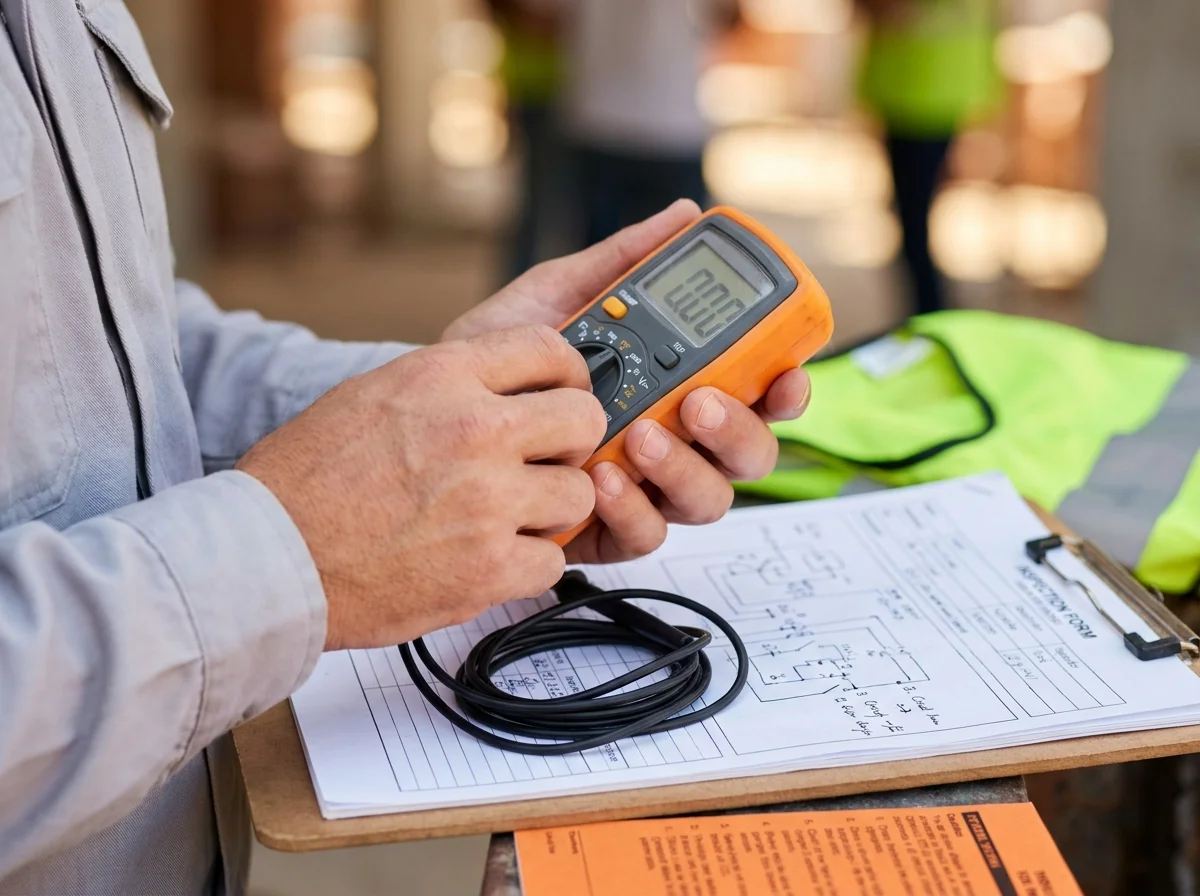
EICR Landlord Cert provides trusted PAT testing services near you, with qualified, City and Guilds 2377-certified engineers who attend promptly, carry out a thorough inspection, and issue a valid certificate once the testing is complete.
Same-day inspection appointments are available Monday to Friday wherever your property is located, and your digital PAT test certificate is issued once all testing and labelling is complete.
A PAT tester carrying out portable appliance testing on your behalf must be a competent person with sufficient knowledge, training, and calibrated test equipment to perform both the visual inspection and the electronic testing accurately and safely. In practice, this means a City and Guilds 2377-qualified PAT testing engineer who holds current certification, uses calibrated test equipment traceable to national standards, and produces a complete and legally valid PAT tester report covering every appliance inspected. A non-qualified person cannot produce a valid PAT test certificate that satisfies local authority HMO licence requirements or the duty of care obligations under the Electricity at Work Regulations 1989 and the Health and Safety at Work Act 1974.
Our engineers hold City and Guilds 2377 PAT testing qualifications, are experienced in testing all Class I and Class II appliance types found in residential and commercial settings, and carry fully calibrated test equipment on every visit. Every certificate we issue is signed by a qualified engineer with their certification reference, making it suitable for submission to any local authority, HMO licensing team, or insurer. We carry full public liability insurance and are available for same-day inspection appointments wherever your property is located.
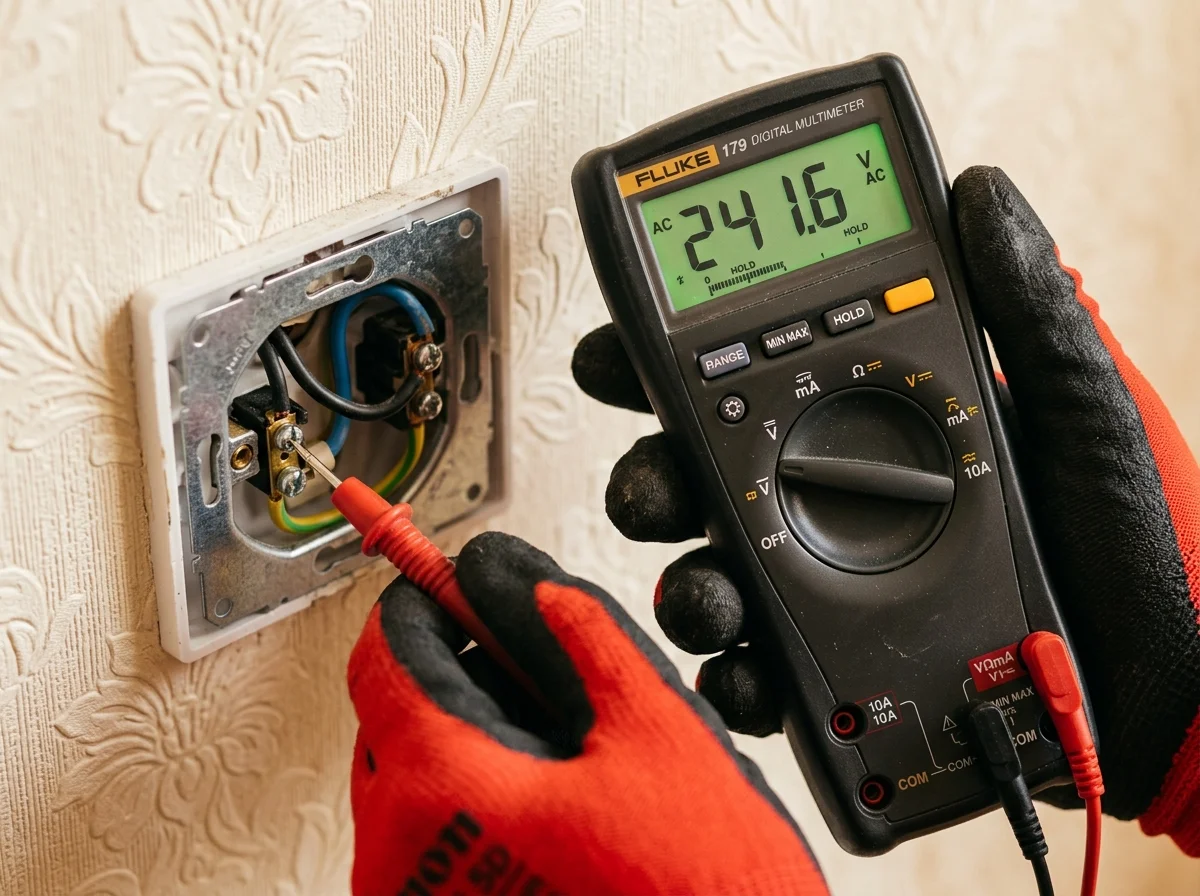
Pass and fail criteria for PAT testing follow the thresholds set out in BS EN 62353 and the IET Code of Practice for In-Service Inspection and Testing of Electrical Equipment, applied by our City and Guilds 2377-qualified engineers on every inspection.
Any appliance that fails is documented with details of the defect found and must not be returned to service until it has been repaired or replaced by a qualified person.
HMO PAT testing is a specific compliance requirement under most HMO licence conditions issued by local authorities under the Housing Act 2004, and failing to meet this requirement can jeopardise the renewal of an HMO licence.
HMO landlords managing multiple properties benefit from portfolio pricing across all addresses, and our team sends automatic renewal reminders to help keep every property compliant throughout the licence period.
PAT testing, or Portable Appliance Testing, is the process of visually inspecting and electronically testing portable electrical appliances to verify they are safe for continued use. There is no single law that mandates PAT testing by name, but landlords and employers have a legal duty under the Electricity at Work Regulations 1989 and the Health and Safety at Work Act 1974 to make sure all electrical equipment in their premises is maintained safely. PAT testing by a qualified engineer is the recognised method of demonstrating that duty has been met.
The required frequency depends on the premises type and appliance risk level as set out in the IET Code of Practice for In-Service Inspection and Testing of Electrical Equipment. For furnished residential lettings and HMOs, annual testing is best practice and is the interval most commonly required by local authority HMO licence conditions. Commercial offices may test every one to two years, while higher-risk environments such as catering kitchens or construction sites may require more frequent inspection. Our City and Guilds 2377-qualified engineers advise on the appropriate interval for your specific premises.
PAT testing starts from £69 at EICR Landlord Cert, priced on a per-appliance basis with the per-item rate reducing as the total appliance count increases. There are no call-out charges, and all prices include VAT, the engineer visit, visual and electronic testing, pass or fail labels on every appliance, and a digital PAT test certificate issued once the testing is complete. Portfolio pricing is available for landlords and businesses managing multiple properties or premises.
Any portable electrical appliance that is plugged into a mains socket and supplied by the landlord or employer should be included in a regular PAT testing programme. This typically includes kettles, toasters, microwaves, washing machines, tumble dryers, fridges, televisions, floor lamps, vacuum cleaners, electric heaters, extension leads, computers, monitors, printers, and phone chargers. Fixed wiring and permanently installed equipment are not covered by PAT testing and instead require an EICR inspection carried out by a registered electrician.
A full PAT test includes a visual inspection of the appliance body, cable, plug, and fuse for any damage or defect, followed by electronic testing using a calibrated PAT tester. For Class I appliances, the engineer performs an earth continuity test and an insulation resistance test. For Class II appliances, an insulation resistance test is carried out. Results are compared against the pass or fail thresholds in BS EN 62353 and the IET Code of Practice, and each appliance receives a clearly dated pass or fail label.
A furnished one-bedroom property with 10 to 15 appliances typically takes between 30 and 60 minutes to complete. Larger HMOs or commercial premises with 50 or more appliances may require two to three hours or a full day visit depending on the total inventory and accessibility of appliances. Our City and Guilds 2377-qualified engineers work efficiently to minimise disruption to tenants and employees, and the digital PAT test certificate is issued once all testing and labelling is complete.
A PAT test certificate does not carry a fixed statutory validity period. Its practical validity is the recommended re-testing interval for your premises type under the IET Code of Practice, typically 12 months for furnished residential lets and HMOs under most local authority HMO licence conditions. Retaining PAT test records for a minimum of five years provides a clear and auditable compliance history for any HMO licensing authority review, Health and Safety Executive inspection, or insurance assessment.
Yes, if you supply electrical appliances as part of the let. Landlords who provide electrical appliances in furnished lets or HMOs have a legal duty under the Electricity at Work Regulations 1989, the Health and Safety at Work Act 1974, and the Landlord and Tenant Act 1985 to make sure those appliances are safe. PAT testing by a qualified, competent person is the industry-recognised method of demonstrating that duty has been met, and most HMO licence conditions make it an explicit requirement.
Class I appliances rely on both insulation and an earth connection for safety. They include kettles, toasters, washing machines, fridges, electric heaters, and power tools and require both an earth continuity test and an insulation resistance test during PAT testing. Class II appliances, sometimes called double-insulated appliances, rely on reinforced insulation rather than an earth connection. They include laptops, phone chargers, televisions, and monitors and require an insulation resistance test only during the PAT testing process.
Any appliance that fails the visual inspection or electronic testing is labelled with a fail sticker and must be removed from service immediately. It must not be used again until it has been repaired by a qualified person and retested or replaced with a new appliance. The fail outcome, together with details of the specific defect found, is recorded in the PAT tester report. Landlords and employers must action failed appliances promptly to meet their ongoing duty of care under the Electricity at Work Regulations 1989 and the Health and Safety at Work Act 1974.