- Monday - Friday 09:00-18:00
- 0203 633 9146

An Energy Performance Certificate is a legal requirement for any residential or commercial property being sold, let, or newly constructed in England and Wales. Under the Energy Performance of Buildings Regulations 2012, all landlords must hold a valid EPC with a minimum energy efficiency rating of Band E before granting or renewing a tenancy, and failure to comply can result in a civil penalty of up to £5,000 per property. At EICR Landlord Cert, our accredited Domestic Energy Assessors carry out EPC assessments from £89, with certificates lodged on the official MHCLG EPC register once the assessment is complete and no hidden fees.
We are fully insured with public liability cover, and every assessor holds current DEA accreditation, is DBS checked, is approved by Elmhurst Energy or Quidos Accreditation and is listed on the official EPC register. Whether you are a landlord managing a rental portfolio, a homeowner preparing to sell, or a letting agent arranging compliance for managed properties, our accredited EPC assessors deliver accurate assessments and lodge certificates digitally once the assessment is complete wherever your property is located.
An energy performance certificate rates a property’s energy efficiency on a scale from A to G using a Standard Assessment Procedure, known as a SAP calculation. Band A represents the most energy efficient properties, with SAP scores between 92 and 100, while Band G covers properties with scores between 1 and 20. The EPC assessment covers the property’s construction type, wall and loft insulation, window glazing, heating system, hot water system, lighting, and any renewable energy installations such as solar panels, producing both an energy efficiency rating and an environmental impact rating on the familiar A to G colour-coded scale.
Every EPC also includes a recommendation report listing the improvements most likely to raise the property’s energy efficiency rating, together with estimated annual cost savings for tenants or occupants. Our Elmhurst-approved and Quidos-registered DEA-qualified assessors lodge every certificate on the official MHCLG EPC register once the assessment is complete. Prospective tenants and buyers can view any property’s current EPC certificate free of charge using the government’s find EPC or check EPC tool on the official register, which makes the certificate publicly accessible immediately after lodgement.
The EPC rating your property receives depends on factors including the depth of loft insulation, whether cavity or solid wall insulation is installed, the specification of window glazing, the efficiency rating of the boiler, and the presence of any renewable energy technologies. Our experienced DEA assessors explain your current rating and SAP score in plain English and identify which recommended improvements will have the greatest impact on your EPC band and your tenants’ energy bills.

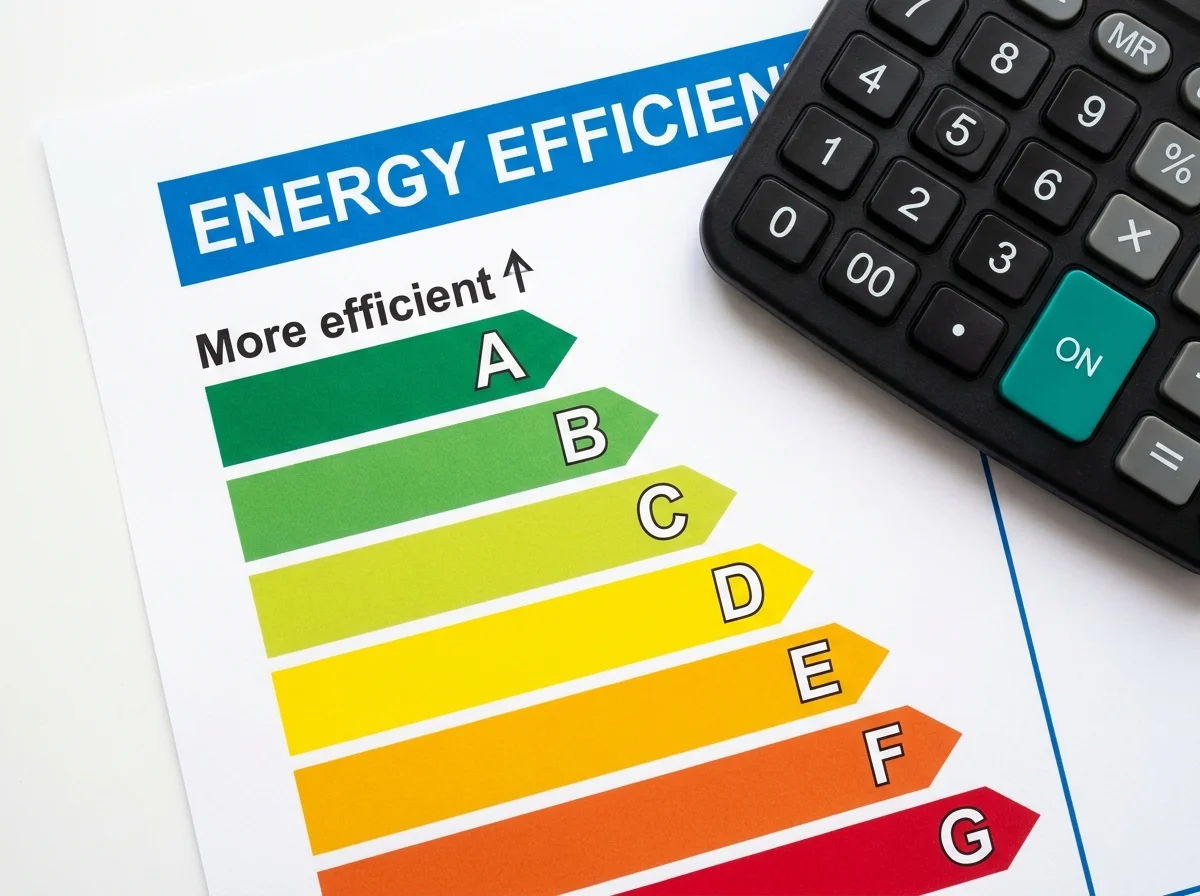


An EPC for landlords is a firm legal requirement under the Minimum Energy Efficiency Standards 2018, with financial penalties for those who let properties without a valid certificate or below the minimum Band E standard.
A landlord who lets a property below Band E without a registered exemption faces a civil penalty of up to £5,000 per property, issued by their local authority under the Minimum Energy Efficiency Standards 2018.

An EPC rating is the A to G classification assigned to a property following a SAP calculation carried out by an accredited Domestic Energy Assessor, and it is the single most important figure on the certificate for landlords and tenants to understand.
A property’s EPC rating directly affects its lettability under the Minimum Energy Efficiency Standards 2018 and its attractiveness to energy-conscious buyers and tenants who use the EPC register to compare properties.
EPC certificate costs start from £89 for a standard residential property and cover the full accredited DEA assessor visit, the SAP calculation survey, and the official certificate lodged on the MHCLG EPC register once the assessment is complete. There are no hidden travel charges and all prices include VAT. Larger properties with four or more bedrooms are priced slightly higher to reflect the additional survey time required, and commercial EPC costs are quoted individually based on building size and complexity. If you are based in London, visit our EPC Certificate London page for location-specific pricing and booking details.
Landlords with multiple properties benefit from portfolio pricing, which reduces the individual EPC assessment cost across all addresses. Every certificate is lodged on the official MHCLG EPC register once the assessment is complete, and you receive your digital copy immediately. All pricing is fixed and confirmed before we attend, with no surprise charges after the visit and no obligation to arrange any further works through us following the assessment. We also provide EICR certificates, Gas Safety certificates, and PAT testing for landlords and property owners.

A domestic EPC covers all residential properties, from studio flats and terraced houses to large family homes, and is required under the Energy Performance of Buildings Regulations 2012 whenever a property is sold, let, or newly constructed.
Homeowners can also commission a domestic EPC outside of a lettings context, for example as part of a remortgage survey, prior to a property sale, or to understand what improvements would raise the property’s energy efficiency before marketing.

A commercial EPC assesses non-domestic buildings including offices, retail units, schools, hotels, and mixed-use premises using the Simplified Building Energy Model, known as the SBEM methodology, rather than the SAP calculation used for domestic properties.
Commercial property owners whose buildings are rated Band F or G should seek an assessment and improvement advice promptly, as the Minimum Energy Efficiency Standards 2018 apply to commercial lettings as well as residential tenancies.

WHY LANDLORDS CHOOSE US
Accredited engineers covering your area at fixed prices with no hidden fees.
Every engineer holds government-approved accreditation, is fully insured with public liability cover, and is DBS checked.
Every certificate meets current UK legal requirements and is accepted by all local authorities and letting agents nationwide.
All prices confirmed upfront. No call-out charges, no admin fees, and portfolio pricing available for landlords with multiple properties.
Certificates are issued digitally once the inspection is complete, with same-day assessment available Monday to Friday wherever your property is located.
The EPC regulations landlords must comply with cover both the obligation to hold a valid certificate and the minimum energy efficiency standard the property must achieve before it can lawfully be let. The Energy Performance of Buildings Regulations 2012 require all residential and commercial properties being sold or let to have a current EPC, and landlords must make the certificate available to all prospective tenants before any viewing takes place. The Minimum Energy Efficiency Standards 2018 set the Band E minimum threshold for privately rented residential properties, making it unlawful to let a property rated Band F or G without a valid registered exemption on the PRS Exemption Register.
Exemptions are available in limited circumstances, including where the property is a listed building, where all relevant improvements have been made up to the maximum permitted investment cap, or where consent from a relevant third party such as a freeholder has been refused. Landlords whose properties fall below Band E without a registered exemption face a civil penalty of up to £5,000 per property. Our accredited energy assessors advise landlords on their obligations, available exemptions, and the most cost-effective route to reaching and maintaining compliance with the Minimum Energy Efficiency Standards 2018.

An EPC certificate is valid for 10 years from the date it is lodged on the official MHCLG EPC register, and the same certificate can be used for multiple tenancies or property sales within that period.
A certificate nearing the end of its 10-year validity period should be renewed in good time before a new tenancy begins, as an expired EPC means the property cannot lawfully be marketed or let under the Energy Performance of Buildings Regulations 2012.
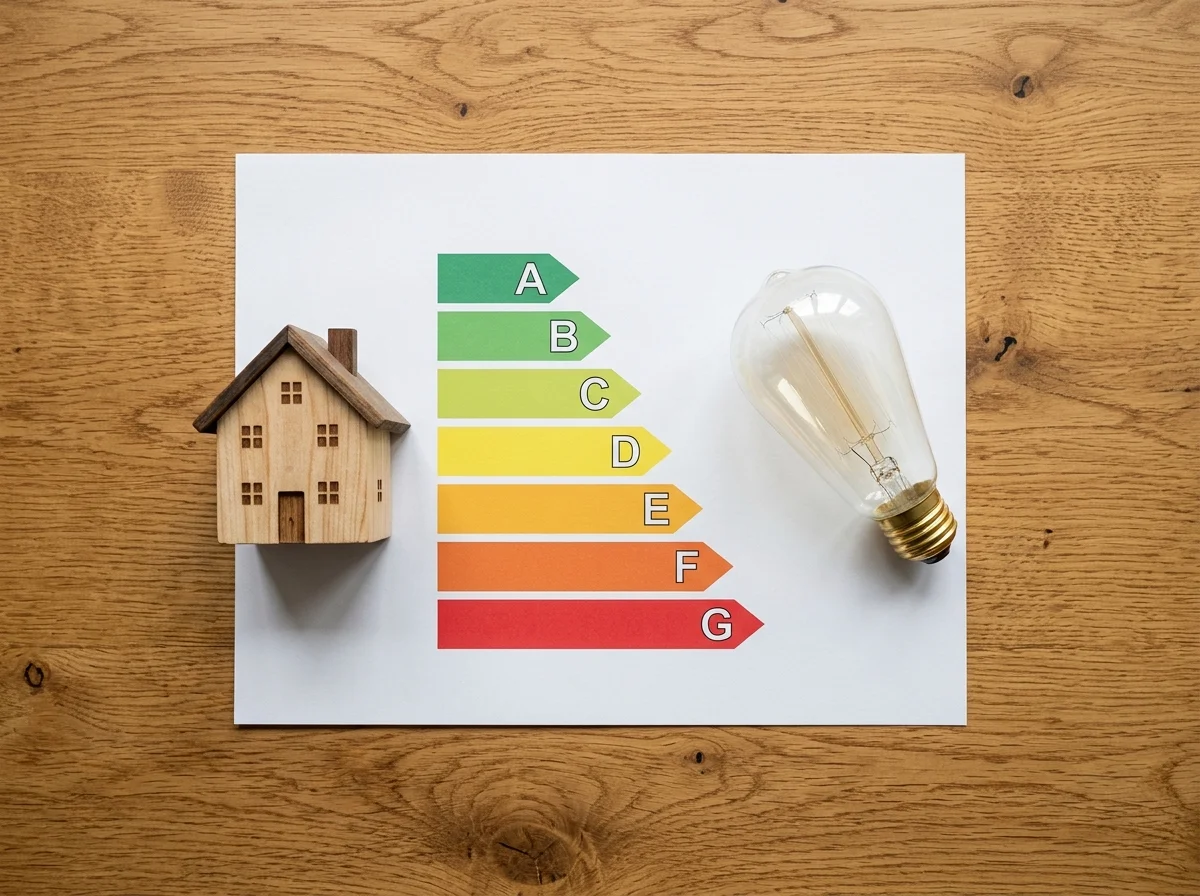
EPC improvement advice is included in every certificate as a recommendation report, setting out the measures most likely to raise your property’s energy efficiency rating and reduce energy costs for tenants and occupants.
Landlords with properties currently rated Band D should begin planning improvements now, as the proposed Band C minimum standard would require upgrade works before affected properties could be legally let under any future regulatory change.
When landlords and homeowners search for an EPC assessor near me or an EPC near me, they need an accredited Domestic Energy Assessor who can attend promptly, carry out an accurate assessment, and lodge the certificate on the official MHCLG EPC register once the assessment is complete. At EICR Landlord Cert, our DEA-qualified assessors are available for same-day assessment appointments wherever your property is located, with fixed pricing confirmed at the time of booking and no hidden charges.
Our assessors hold current accreditation from Elmhurst Energy or Quidos Accreditation, are listed on the official EPC assessor register, and are experienced with every residential property type, from purpose-built flats and Victorian terraces to converted houses and new-build apartments. Booking an EPC assessment is simple: call for a fixed price quote, confirm your appointment, and your accredited DEA assessor will attend and lodge your certificate digitally once the assessment is complete. For properties with specific challenges such as unusual construction types, listed building status, or recent energy improvements, our assessors can advise on the likely impact on your rating before the assessment takes place.

The EPC checker is the free government tool on the official MHCLG EPC register that allows landlords, tenants, buyers, and estate agents to find and view any property’s current energy performance certificate using a postcode or full address search.
If your property does not appear on the EPC register, or if the existing certificate has expired, a new assessment must be commissioned before the property can lawfully be marketed for sale or let.
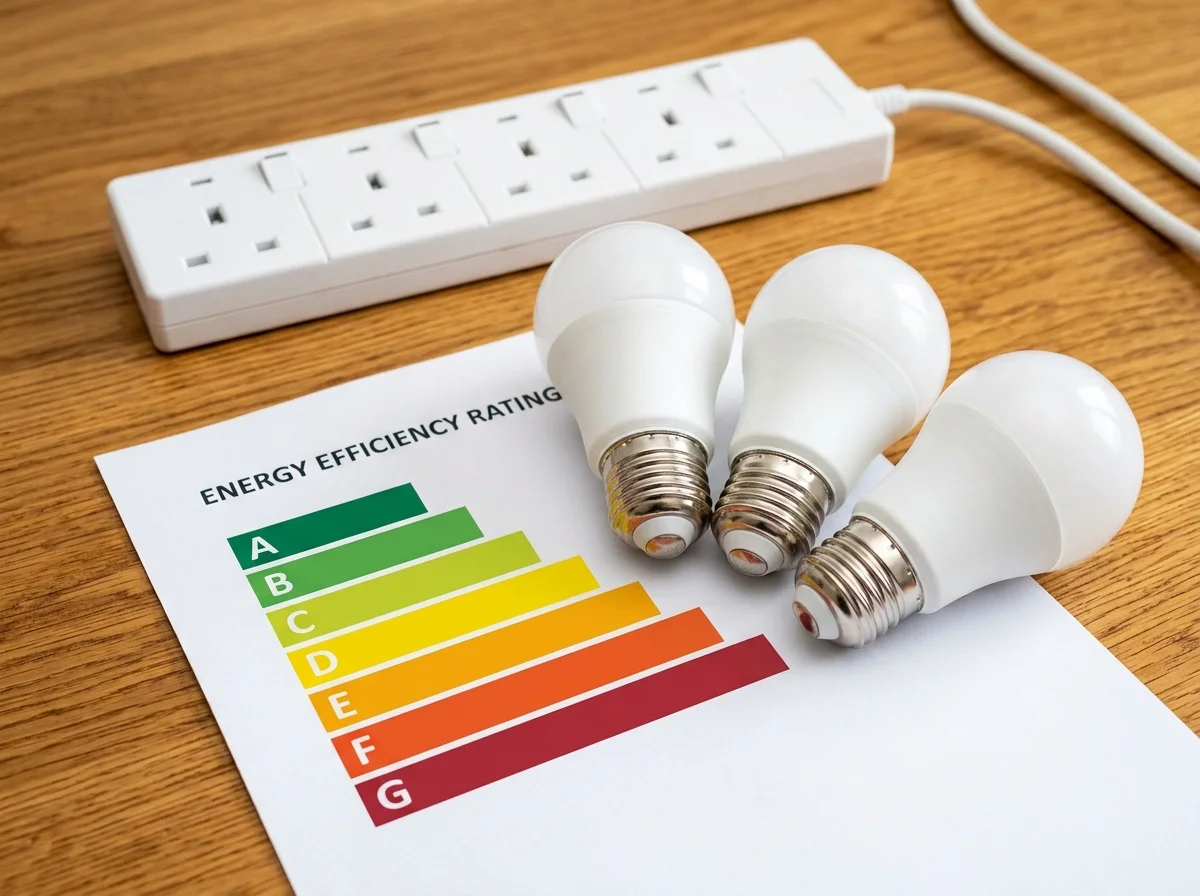
An EPC is required before a property can be marketed for sale under the Energy Performance of Buildings Regulations 2012, and estate agents are legally obligated to include the energy efficiency rating in all property listings from the point of first marketing.
Homeowners planning to sell should commission an EPC assessment early in the process to avoid delays, particularly if the existing certificate has expired or was obtained before any recent energy improvements were made to the property.
An EPC, or Energy Performance Certificate, rates a property's energy efficiency on a scale from A to G using a Standard Assessment Procedure score calculated by an accredited Domestic Energy Assessor. It is a legal requirement under the Energy Performance of Buildings Regulations 2012 for all properties being sold, let, or newly constructed. Landlords must hold a valid EPC and provide it to prospective tenants before any viewing. The certificate is lodged on the official MHCLG EPC register and is publicly accessible.
An EPC is valid for 10 years from the date it is lodged on the official MHCLG EPC register. The same certificate can be used across multiple tenancies or property sales within that 10-year period. After 10 years a new assessment must be commissioned before the property can be marketed or let. If significant energy improvements are made during the validity period, such as a new boiler or insulation upgrade, it is advisable to obtain a new EPC to reflect the improved energy efficiency rating.
A minimum EPC rating of Band E is required to lawfully let a residential property under the Minimum Energy Efficiency Standards 2018. Properties rated Band F or G cannot be let without a valid registered exemption on the PRS Exemption Register. Non-compliance carries a civil penalty of up to £5,000 per property issued by the local authority. The government has proposed raising the minimum to Band C for new tenancies, and landlords with lower-rated properties should plan for improvement works now.
EPC certificates start from £89 at EICR Landlord Cert for a standard residential property. The price covers the accredited DEA assessor visit, the full SAP calculation survey, and the official certificate lodged on the MHCLG EPC register. All prices are fixed and include VAT, with no hidden charges or travel supplements. Larger properties and commercial premises are priced individually. Portfolio pricing is available for landlords managing multiple properties, reducing the per-assessment cost across all addresses.
During an EPC assessment, the accredited DEA assessor surveys the property's floor area and construction type, wall and loft insulation levels, window glazing specification, heating and hot water systems, lighting, and any renewable energy installations such as solar panels. The SAP calculation uses these inputs to assign an energy efficiency rating and environmental impact rating on the A to G scale, along with a recommendation report listing the improvements most likely to raise the property's band and reduce energy costs.
A domestic EPC assessment typically takes between 30 and 60 minutes for a standard one or two-bedroom property. Larger houses or properties with complex heating systems or unusual construction may take up to 90 minutes. The assessor surveys insulation, heating, building fabric, window glazing, and any renewable energy systems. The certificate is lodged on the MHCLG EPC register and issued digitally once the assessment is complete.
Yes. Any property's current EPC certificate can be found using the free search tool on the government's official EPC register at the MHCLG website. Enter the property's postcode or full address to retrieve the current certificate, which shows the energy efficiency rating, environmental impact rating, SAP score, validity date, and the full list of recommended improvements. The register is publicly accessible and does not require a login. Landlords can also use this tool to confirm whether their certificate is still within its 10-year validity period.
The current minimum EPC rating for a privately rented residential property in 2026 is Band E, as set by the Minimum Energy Efficiency Standards 2018. Properties rated Band F or G are unlawful to let without a registered exemption on the PRS Exemption Register. The government has proposed raising the minimum to Band C for new tenancies, and landlords with properties currently rated Band D or below should commission an EPC assessment now and begin planning the recommended improvement works.
An EPC assessment must be carried out by an accredited Domestic Energy Assessor, known as a DEA, who holds current accreditation from a government-approved scheme such as Elmhurst Energy, Stroma Certification, or Quidos Accreditation, and who is listed on the official EPC assessor register. A certificate produced by someone who is not an accredited DEA is not valid and cannot be lodged on the MHCLG EPC register. Our assessors are DEA-qualified, Elmhurst-approved, and listed on the official register.
A landlord who lets a property without a valid EPC, or who fails to provide a copy to prospective tenants before any viewing, breaches the Energy Performance of Buildings Regulations 2012 and can be issued a civil penalty by their local authority. If the property is also rated Band F or G without a registered exemption, an additional penalty of up to £5,000 per property can be imposed under the Minimum Energy Efficiency Standards 2018. Local authorities actively enforce EPC compliance as part of wider private rented sector regulation.