- Monday - Friday 09:00-18:00
- 0203 633 9146

PAT testing is a key safety measure for landlords who supply portable electrical appliances in rental properties. Under the Electricity at Work Regulations 1989 and the Health and Safety at Work Act 1974, landlords have a duty of care to provide safe equipment. EICR Landlord Cert provides PAT testing in Haringey from just £69 with no hidden fees. Pricing is based on the number of appliances — £69 for up to 10, £89 for up to 20, and £99 for up to 30 appliances.
Our PAT testers hold City and Guilds 2377 qualifications, are DBS checked, and carry public liability insurance. We follow the IET Code of Practice for in-service inspection and testing, and same-day inspections are available Monday to Friday. Whether you let a flat or manage HMO properties, we test every appliance, apply a PAT testing label, and issue your PAT test certificate once the testing is complete.
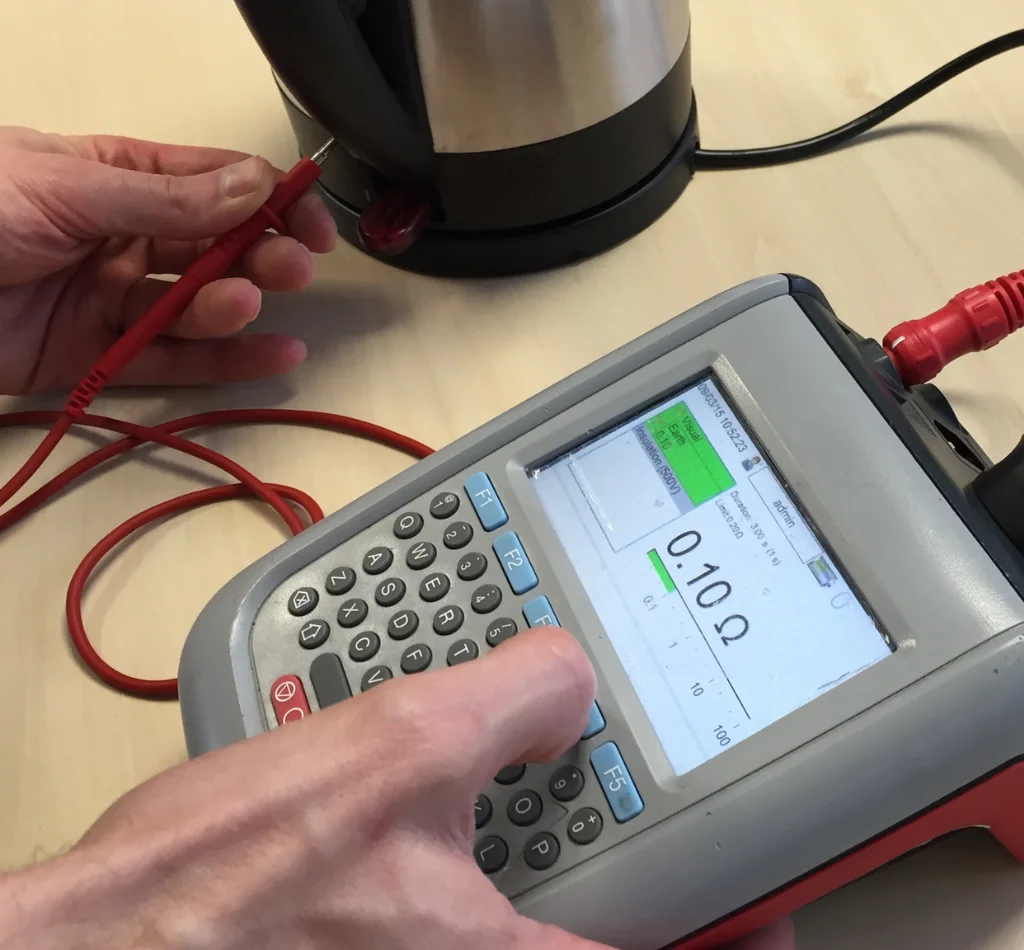
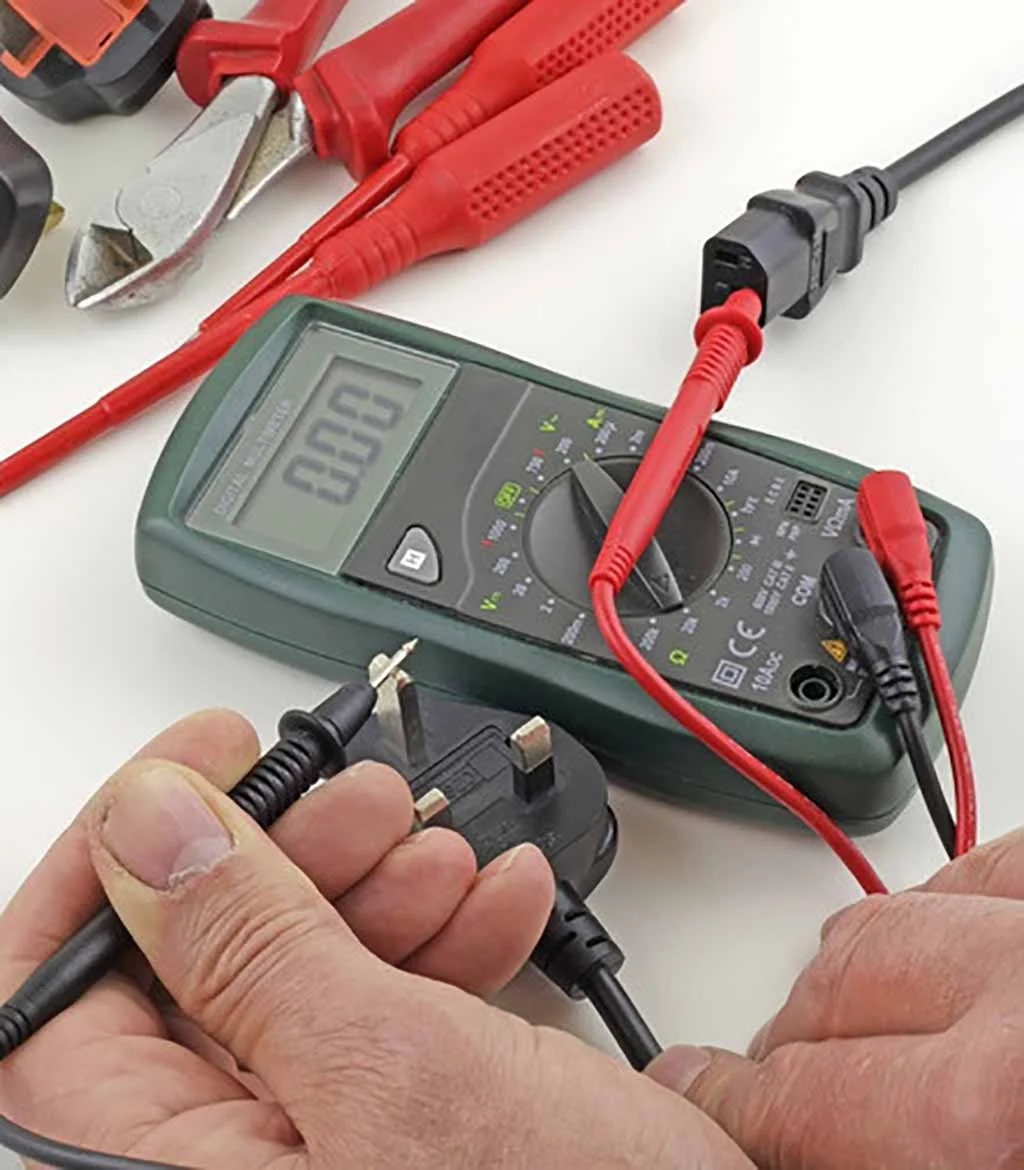
Portable appliance testing checks electrical appliances through visual inspection and electronic testing. PAT testing covers every portable appliance a landlord provides, from kettles and toasters to washing machines, fridges, televisions, and extension leads. The competent technician examines each item for damage, frayed cables, faulty plugs, and overheating before carrying out earth continuity, insulation resistance, and substitute leakage tests.
Results are recorded on a formal report listing each appliance, its identification number, test results, and pass or fail outcome. Appliances that pass receive a PAT test label. Failed items are removed from service. Domestic PAT testing and commercial PAT testing follow the same technical standards set by the IET Code of Practice and BS EN 62353.
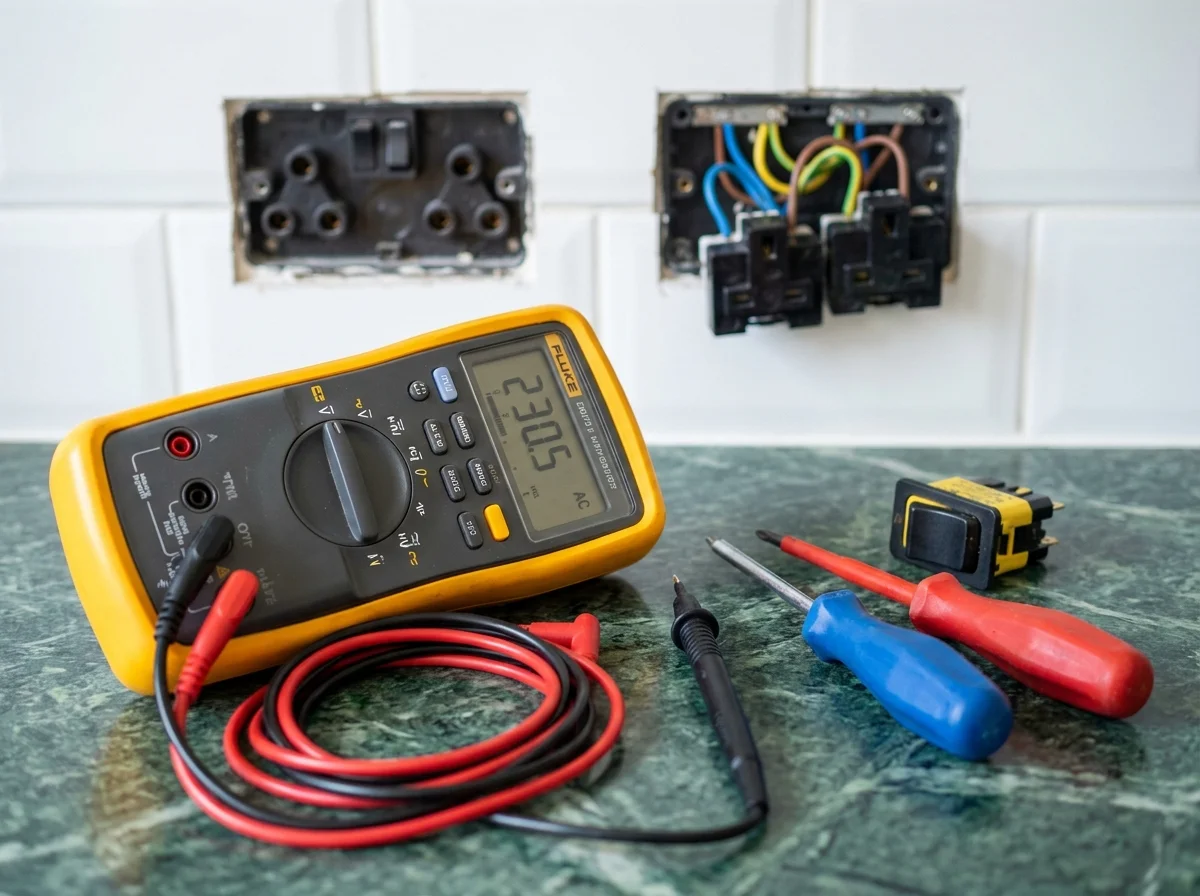
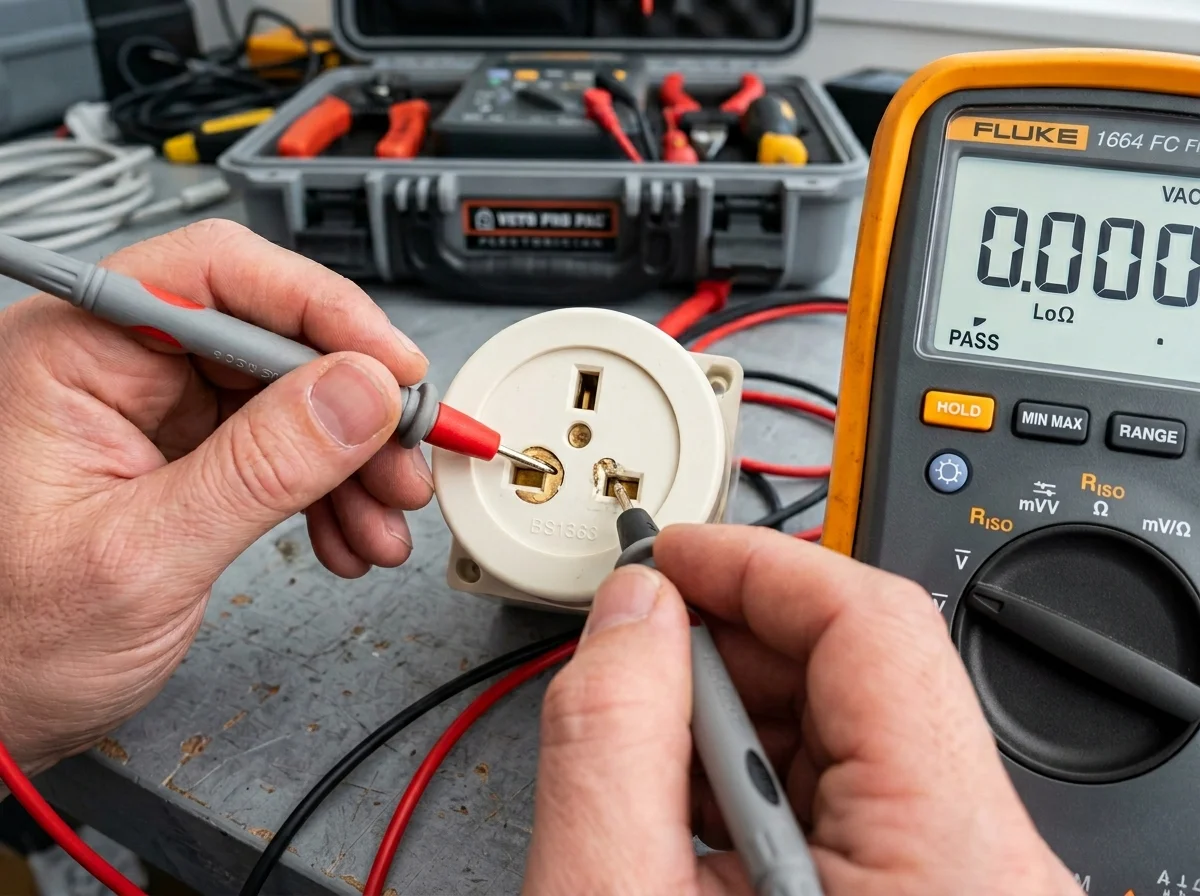
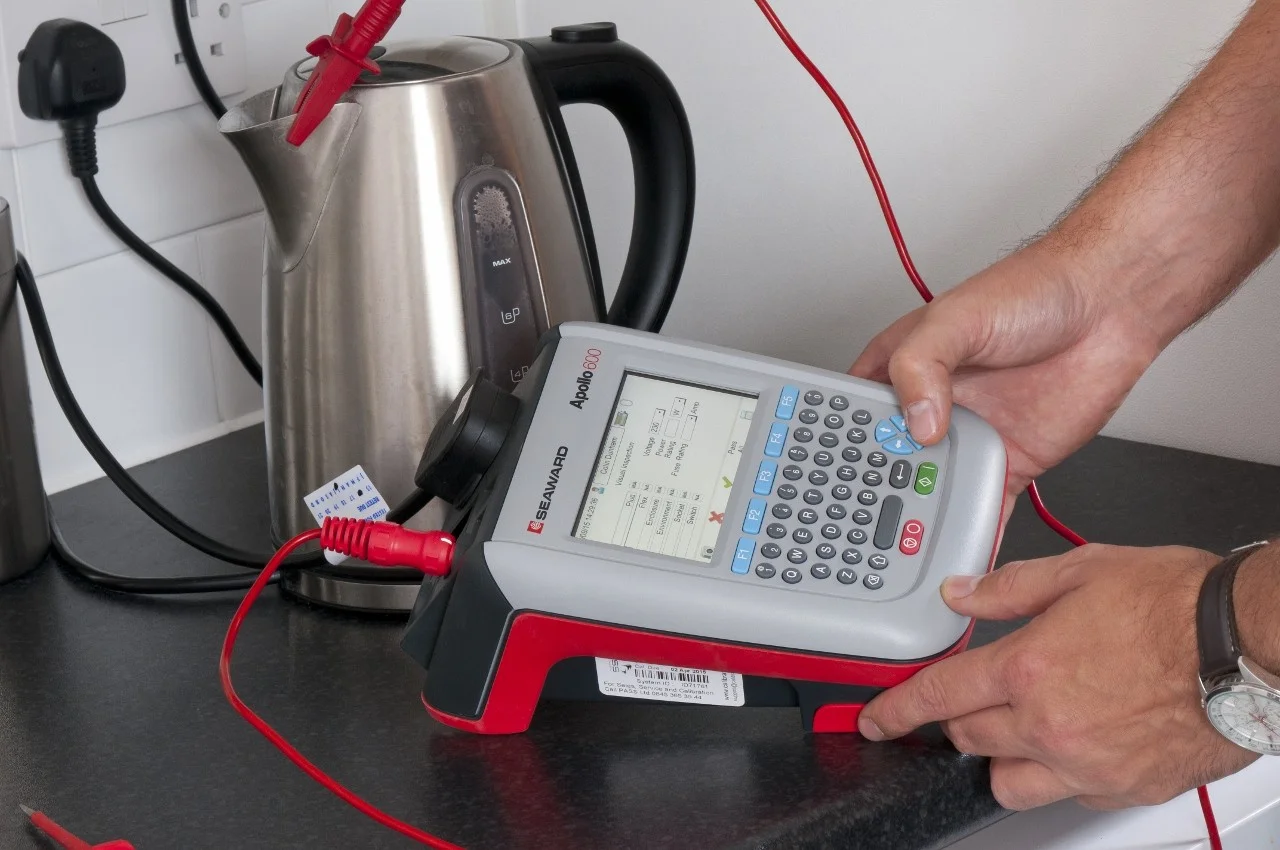
PAT testing for landlords covers every portable appliance supplied with a rental property.
EICR Landlord Cert covers every PAT testing obligation for landlords, with reliable, affordable testing from £69.
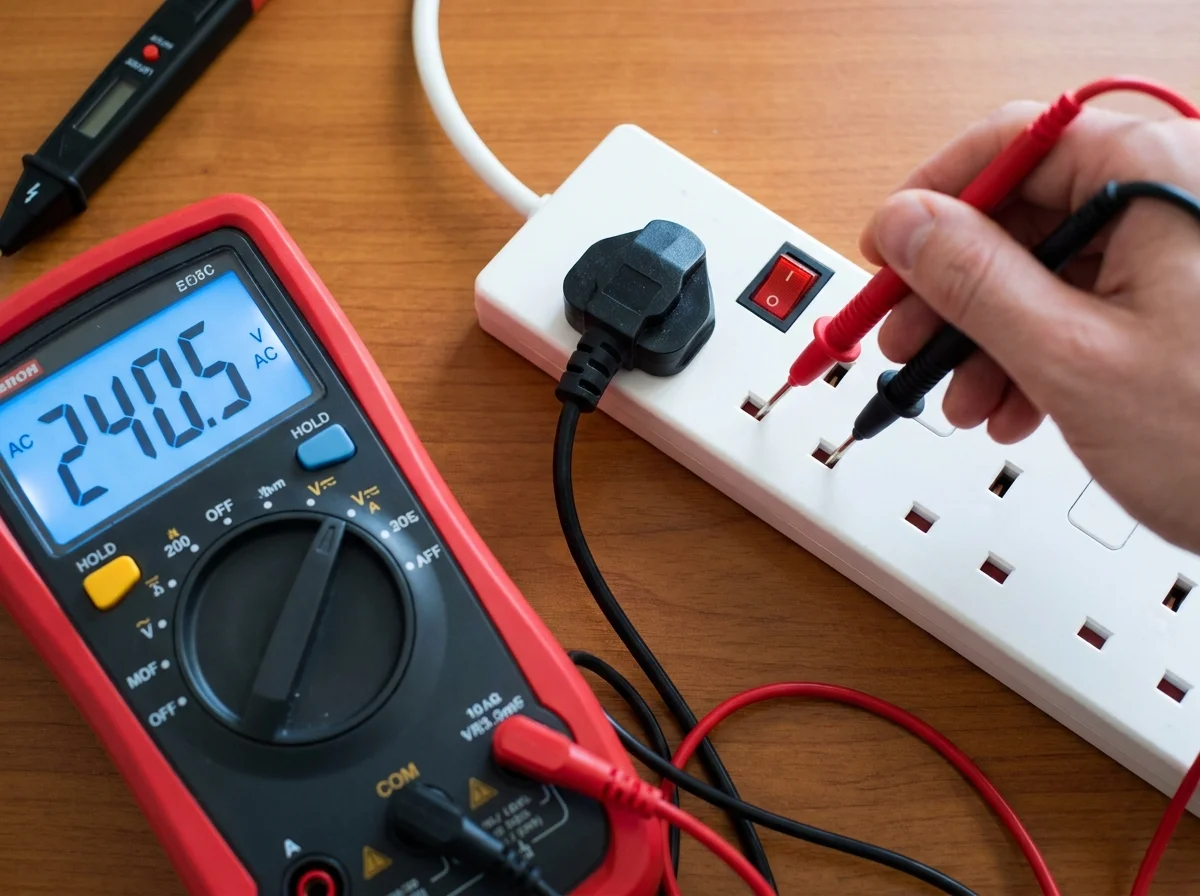
A PAT test certificate is the formal record of every appliance tested during a visit.
We issue your PAT test certificate once the testing is complete with all results documented.
PAT testing costs start from £69. Pricing is based on the number of appliances — £69 for up to 10, £89 for up to 20, and £99 for up to 30 appliances. You know the total before our accredited, insured tester arrives. There are no call-out charges, no minimum fees, and no hidden extras. How much is PAT testing? That depends on the number of appliances, but our rates are competitive.
For a small property with a kettle, toaster, microwave, and washing machine, the cost is minimal. Larger HMOs will cost more, but we provide a clear breakdown. PAT testing: how much does it cost? How much does a PAT test cost? How much is a PAT test? How much for a PAT test depends on the appliance count. Call us for an instant quote and ask about bulk discounts for multiple properties.
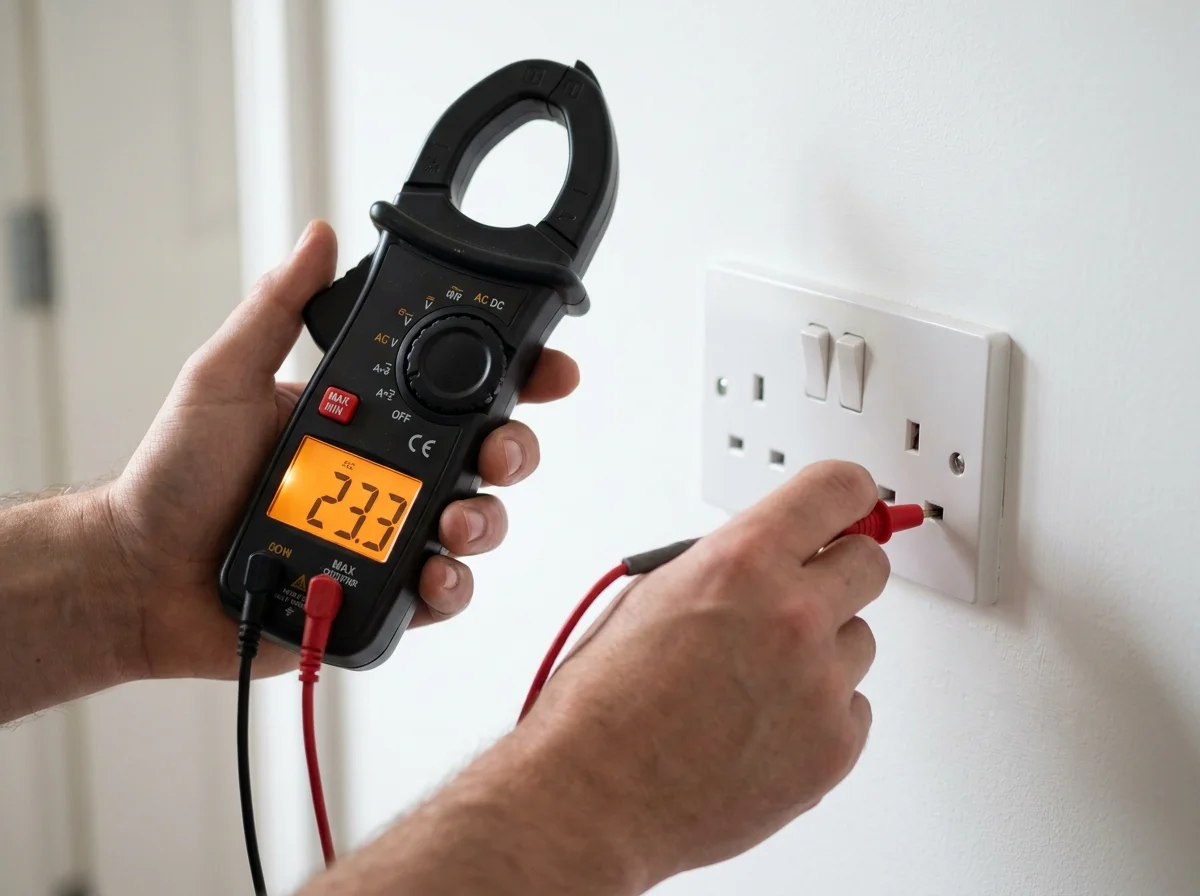
How often should PAT testing be done? The IET Code of Practice provides guidance on testing frequency.
PAT testing frequency depends on the appliance type and environment. PAT testing requirements depend on risk, and how often testing is needed varies by appliance type. Follow the IET Code of Practice for guidance on PAT testing frequency and scheduling.
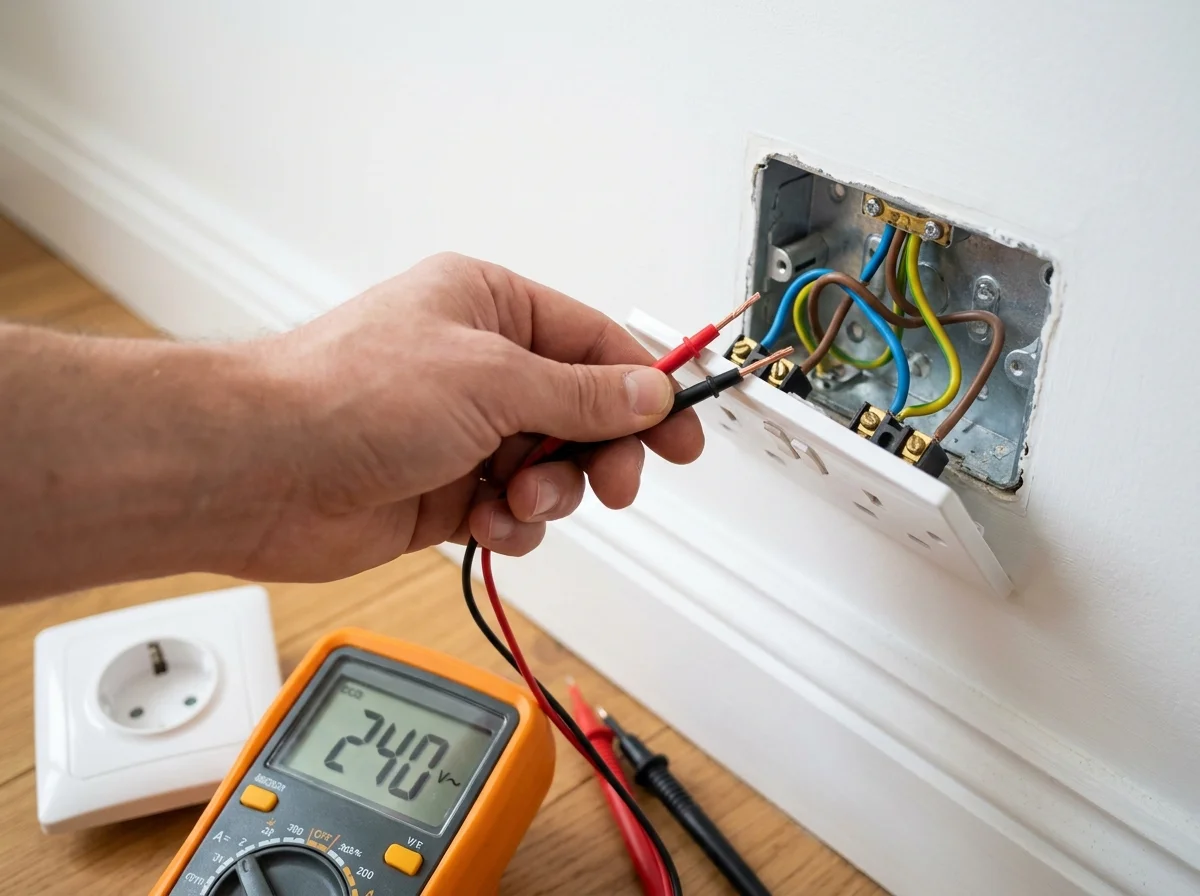
PAT testing regulations are covered by the Electricity at Work Regulations 1989 and the Health and Safety at Work Act 1974.
Understanding PAT testing regulations helps landlords meet safety obligations.
Accredited engineers covering your area at fixed prices with no hidden fees.
Every engineer holds government-approved accreditation, is fully insured with public liability cover, and is DBS checked.
Every certificate meets current UK legal requirements and is accepted by all local authorities and letting agents nationwide.
All prices confirmed upfront. No call-out charges, no admin fees, and portfolio pricing available for landlords with multiple properties.
Certificates are issued digitally once the inspection is complete, with same-day inspection available Monday to Friday wherever your property is located.
Commercial PAT testing covers offices, shops, restaurants, hotels, warehouses, schools, and any business using portable electrical appliances. Under the Electricity at Work Regulations 1989, employers must keep equipment safe for employees and customers. Our certified, experienced City and Guilds 2377 qualified technicians assess each appliance individually.
An office may have computers, monitors, printers, phone chargers, kettles, and extension leads. A restaurant might have commercial kitchen equipment, fridges, and floor lamps. We carry out visual inspections and electronic tests on every item and provide a detailed PAT test certificate for each business owner. We also provide EICR certificates, Gas Safety certificates, and EPC certificates for Haringey landlords.

PAT test labels are applied to every appliance that passes its PAT test.
We supply professional PAT testing labels and PAT tester labels applied to every appliance inspected, with pass or fail clearly marked.
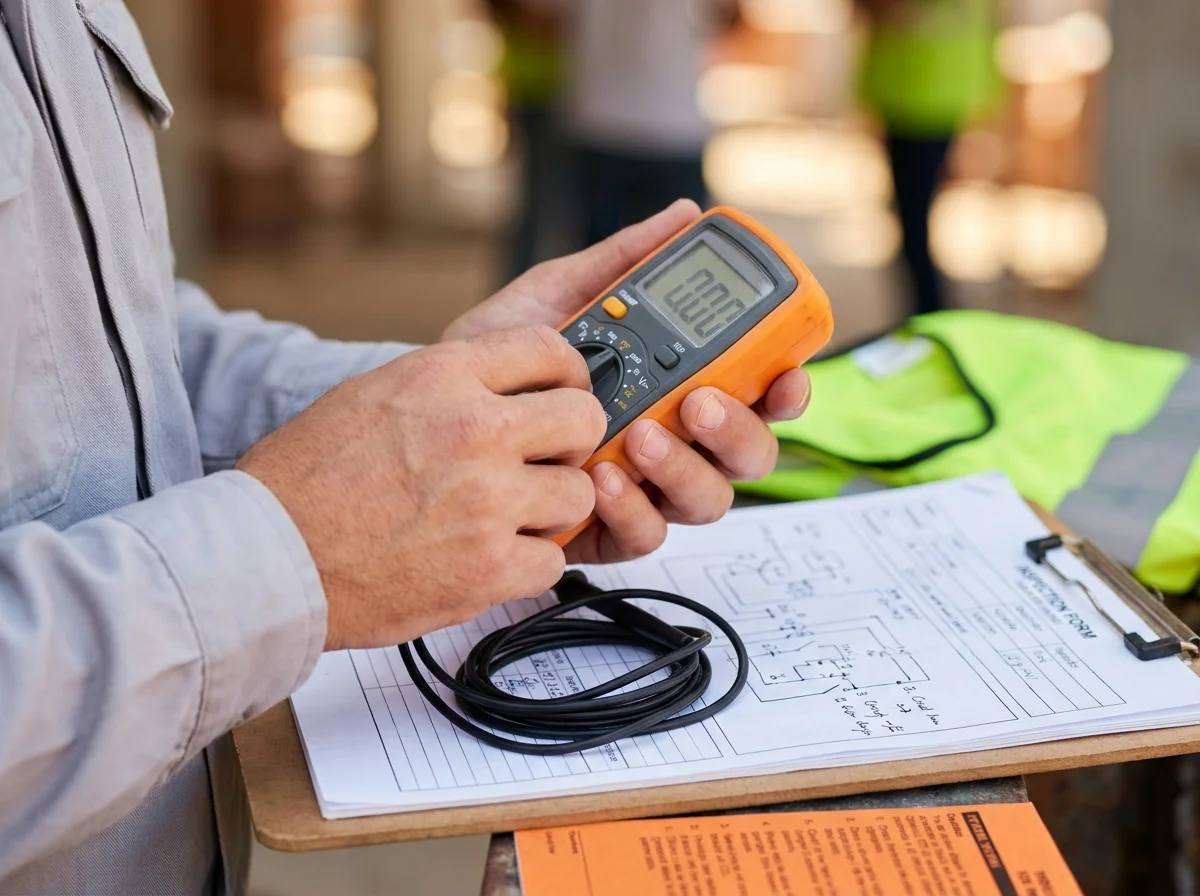
Knowing what needs PAT testing helps you plan the inspection and budget.
Ask our team which appliances at your property need testing.
EICR Landlord Cert provides professional PAT testing services near you across Haringey, with local qualified testers covering every part of the area. Our PAT testers are DBS checked, fully insured, and experienced in testing for landlords, letting agents, HMO operators, and commercial property managers.
Same-day inspections are available Monday to Friday. Booking is simple. Call us, tell us the number of appliances, and we arrange a convenient appointment. We deliver reliable, affordable PAT testing across the whole of Haringey, meeting UK PAT testing standards.
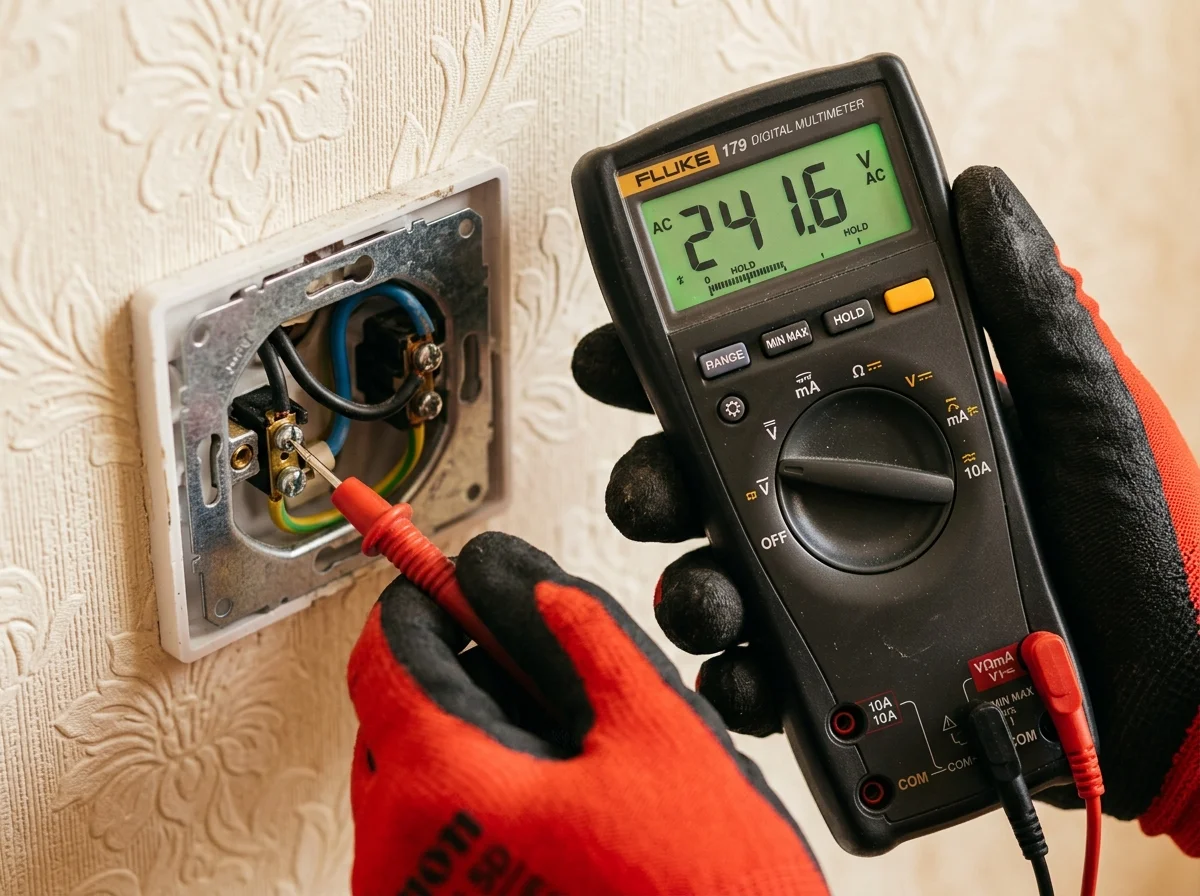
Choosing a qualified PAT tester matters for accurate results and valid certification.
Trust EICR Landlord Cert for qualified, professional PAT testers in Haringey.
Electrical appliance testing is the broader term for the safety checks carried out on all portable equipment.
Book your electrical appliance testing in Haringey with EICR Landlord Cert.
PAT testing stands for portable appliance testing. It involves inspecting and electronically testing portable appliances to check safety. Tests include visual inspection, earth continuity, insulation resistance, and leakage checks. Landlords use PAT testing to comply with the Electricity at Work Regulations 1989.
PAT testing is not explicitly named as a legal requirement, but landlords have a duty of care under the Health and Safety at Work Act 1974 and the 1989 Regulations to provide safe appliances. Without testing, you face liability if a tenant is injured.
PAT testing costs from £69 with EICR Landlord Cert. Pricing is based on the number of appliances — £69 for up to 10, £89 for up to 20, and £99 for up to 30 appliances. There are no hidden charges or call-out fees. Total cost depends on the number of appliances. Bulk discounts are available for multiple properties.
The IET Code of Practice recommends annual testing for most rental properties. How often PAT tests are required depends on the risk assessment. High-use appliances like kettles and extension leads should be tested yearly. Lower-risk items like monitors may be tested every two to four years.
Any portable appliance supplied by the landlord needs testing, including kettles, toasters, microwaves, fridges, washing machines, tumble dryers, televisions, laptops, extension leads, electric heaters, vacuum cleaners, floor lamps, and power tools.
Each appliance takes three to five minutes. How long a full visit takes depends on the total number of items. A standard property with eight to twelve appliances is completed within 30 to 60 minutes. Larger properties and commercial premises take longer depending on the appliance count.
Criteria follow the IET Code of Practice. An appliance passes if no visible damage is found and earth continuity, insulation resistance, and leakage readings fall within acceptable limits. Failed appliances are labelled and removed from use.
Yes, landlords who supply portable appliances should arrange PAT testing to meet their duty of care under the 1989 Regulations. This is especially important for HMO landlords providing communal appliances. Testing gives documented proof of safety.
A PAT test includes visual inspection of the appliance, plug, cable, and casing, plus electronic tests for earth continuity, insulation resistance, and substitute leakage. Results are recorded on a certificate with a pass or fail label applied.
Class I appliances have metal casings and rely on an earth connection, requiring earth continuity testing. Examples include kettles and washing machines. Class II appliances have double insulation. Examples include phone chargers and laptops. Both need PAT testing.