- Monday - Friday 09:00-18:00
- 0203 633 9146

PAT testing is a safety inspection of portable electrical appliances that landlords, business owners, and employers across the City of London use to protect tenants, staff, and customers. Under the Electricity at Work Regulations 1989 and the Health and Safety at Work Act 1974, duty holders have a legal obligation to maintain electrical equipment in a safe condition. While PAT testing is not explicitly named in law, it is recognised as the industry standard method for meeting this duty of care. EICR Landlord Cert provides PAT testing across the City of London from just £69 at a fixed price per appliance.
Our PAT testers are City and Guilds 2377 qualified, DBS checked, and carry full public liability insurance. We offer same-day inspection availability Monday to Friday for City of London landlords and businesses that need their appliances tested quickly. Each PAT test includes a visual inspection and electronic testing, followed by pass or fail labelling on every appliance. Your certificate is issued once the testing is complete, along with a detailed report listing every item tested.
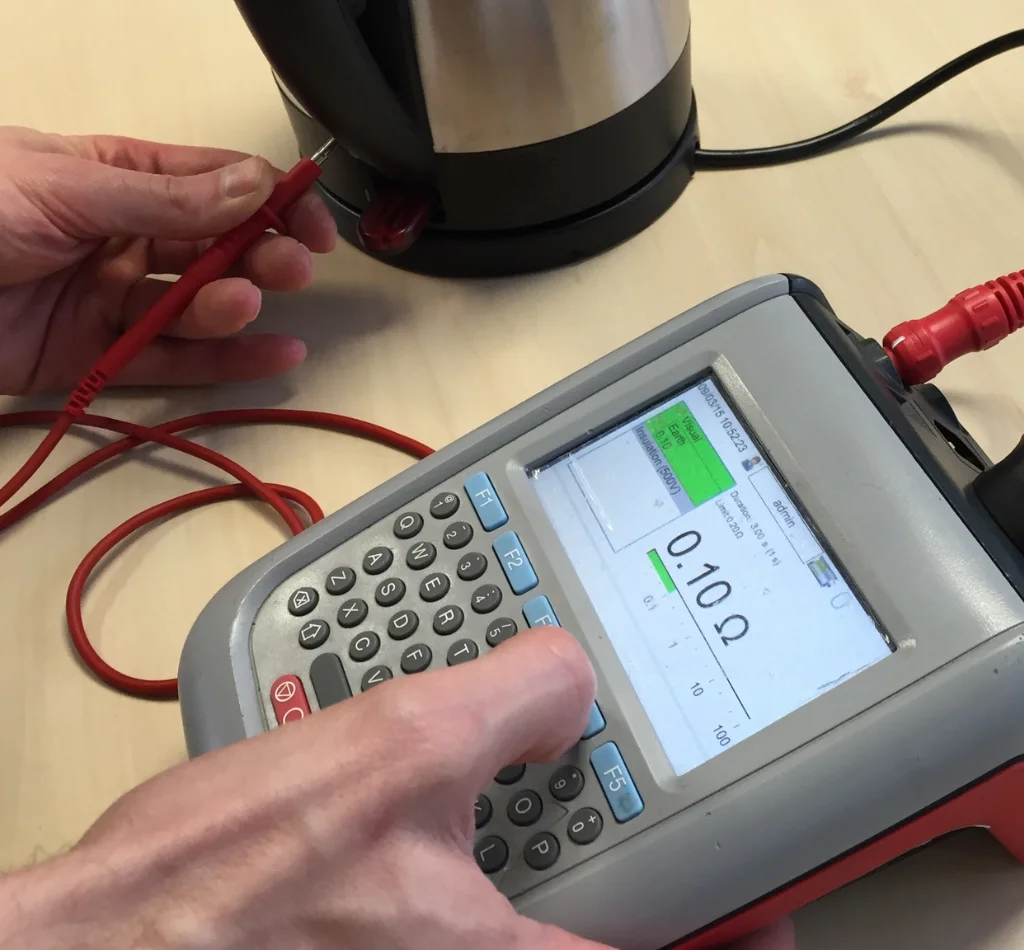
Portable appliance testing is the full name for what most people call PAT testing. It covers every portable electrical appliance in your City of London property or workplace, from kettles and toasters to laptops, printers, and extension leads. The purpose of portable appliance testing is to confirm that each item is electrically safe and does not present a risk of electric shock, fire, or injury to the user.
The portable appliance testing process follows the IET Code of Practice for In-Service Inspection and Testing of Electrical Equipment. Your tester carries out a visual inspection first, checking for damaged cables, cracked casings, faulty plugs, and signs of overheating. This is followed by electronic tests, including earth continuity, insulation resistance, and substitute leakage measurements, depending on whether the appliance is Class I or Class II.
City of London landlords who supply electrical appliances with their rental properties should arrange portable appliance testing regularly. HMO landlords in particular have a strong duty of care to test all communal appliances. Our City and Guilds 2377-qualified testers carry out portable appliance testing across the City of London to BS EN 62353 standards, with clear pass or fail labels applied to every item.
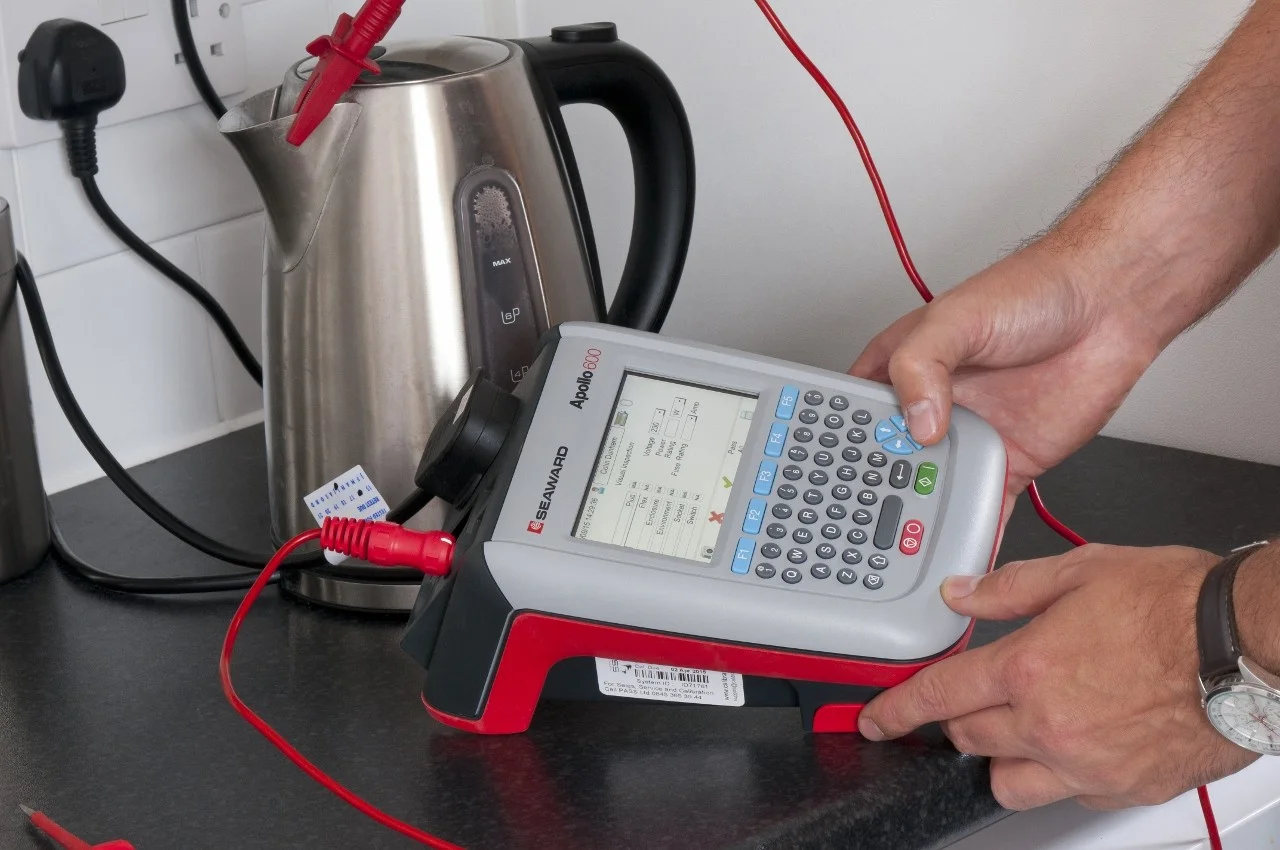
PAT testing for landlords in the City of London applies to any supplied electrical appliance included with a rental property.
EICR Landlord Cert provides PAT testing for landlords across the City of London from £69.
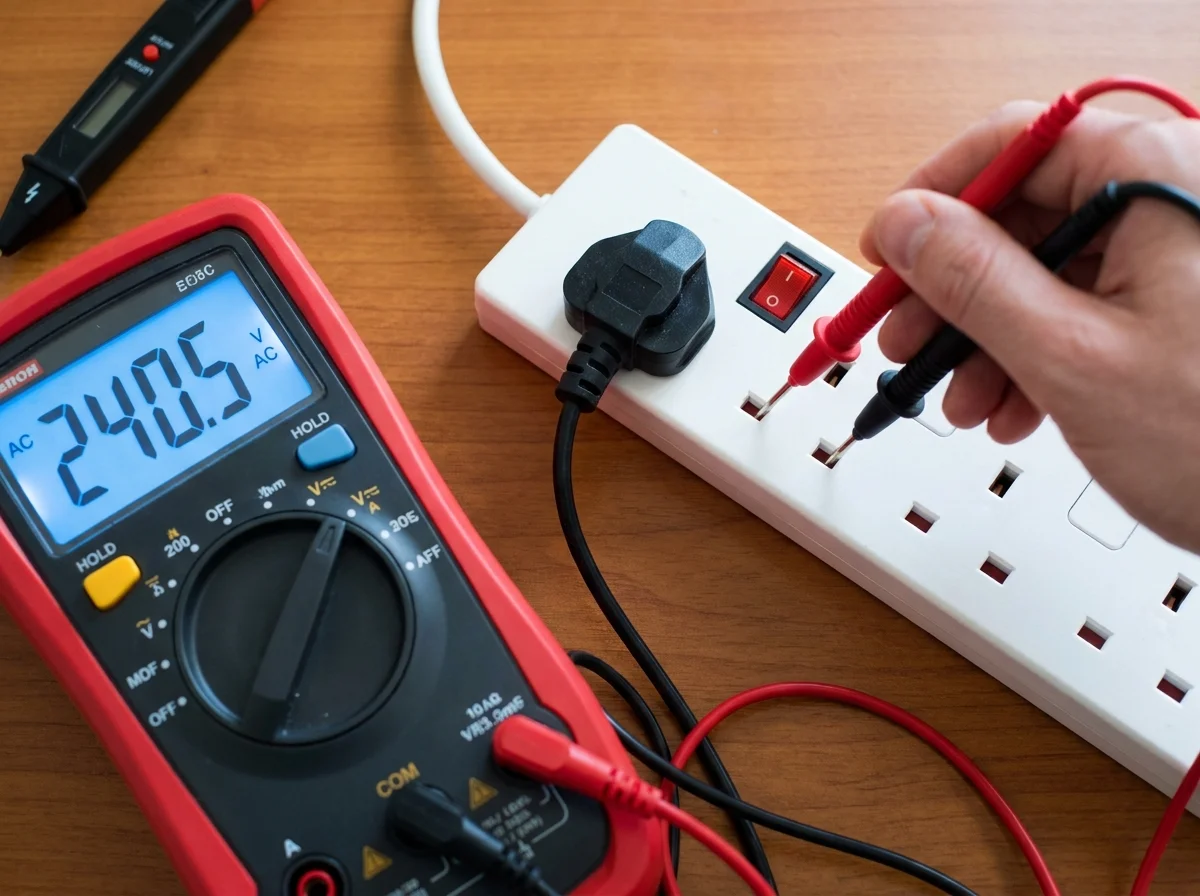
A PAT test certificate is your official record that every portable appliance in your City of London property has been tested and found safe.
Your PAT test certificate is issued once the testing is complete, with a digital copy sent directly to you.
PAT testing legal requirements in the City of London come from several overlapping pieces of legislation. The Electricity at Work Regulations 1989 require all electrical equipment used in a workplace or rental property to be maintained in a safe condition. The Health and Safety at Work Act 1974 places a general duty of care on employers and landlords to protect people from electrical hazards. The IET Code of Practice provides the technical framework for how PAT testing should be carried out.
There is no single law that says, “You must pass the PAT test.” Instead, the legal requirements create an obligation to keep electrical appliances safe, and PAT testing is the recognised method for demonstrating compliance. City of London landlords, particularly HMO operators, face scrutiny from local councils who expect to see evidence of regular appliance testing during licensing inspections.
For City of London businesses, the Management of Health and Safety at Work Regulations 1999 add further duties around risk assessment and equipment maintenance. Employers must identify which appliances need testing based on the type of use, the environment, and the level of risk. EICR Landlord Cert advises on testing frequency and carries out PAT testing to meet all applicable legal requirements.
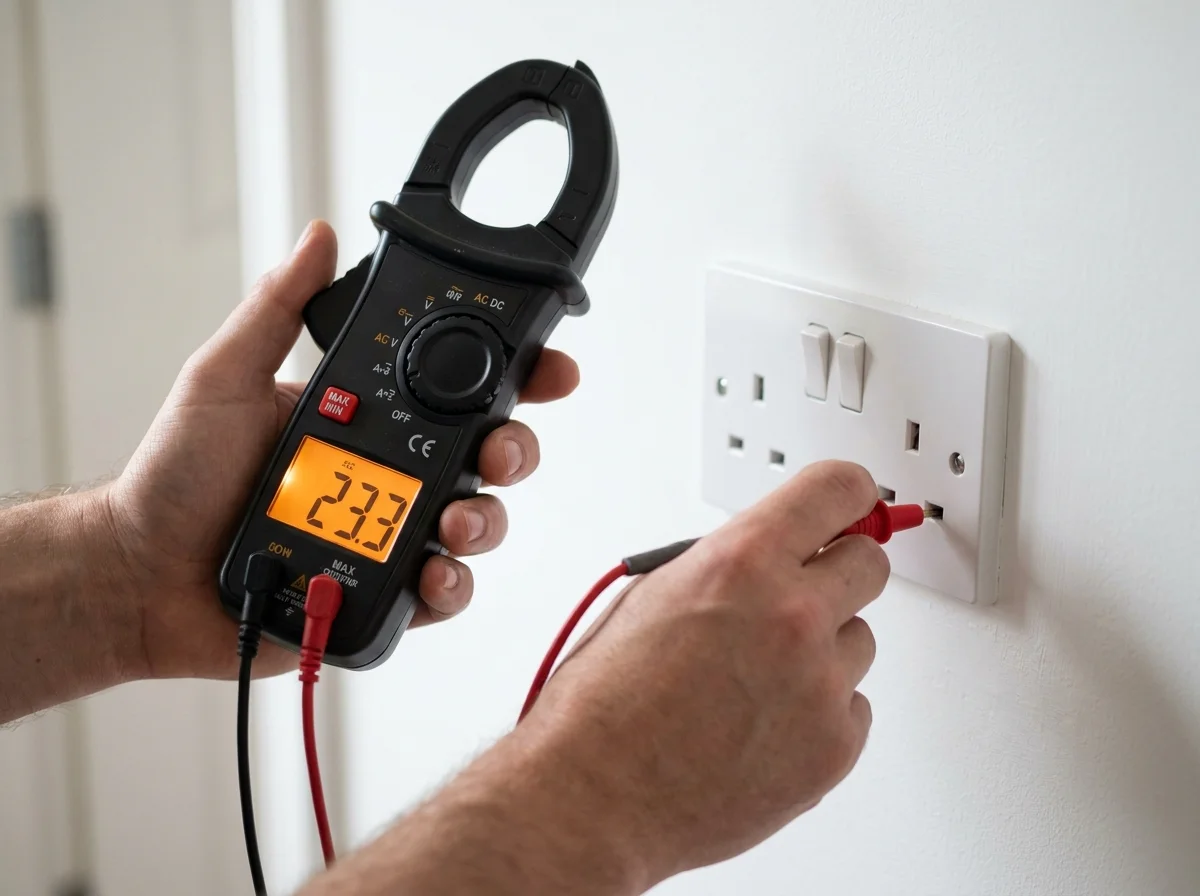
PAT testing frequency in the City of London depends on the type of appliance, the environment, and how heavily the equipment is used.
EICR Landlord Cert helps City of London landlords set the right testing schedule for their appliances.
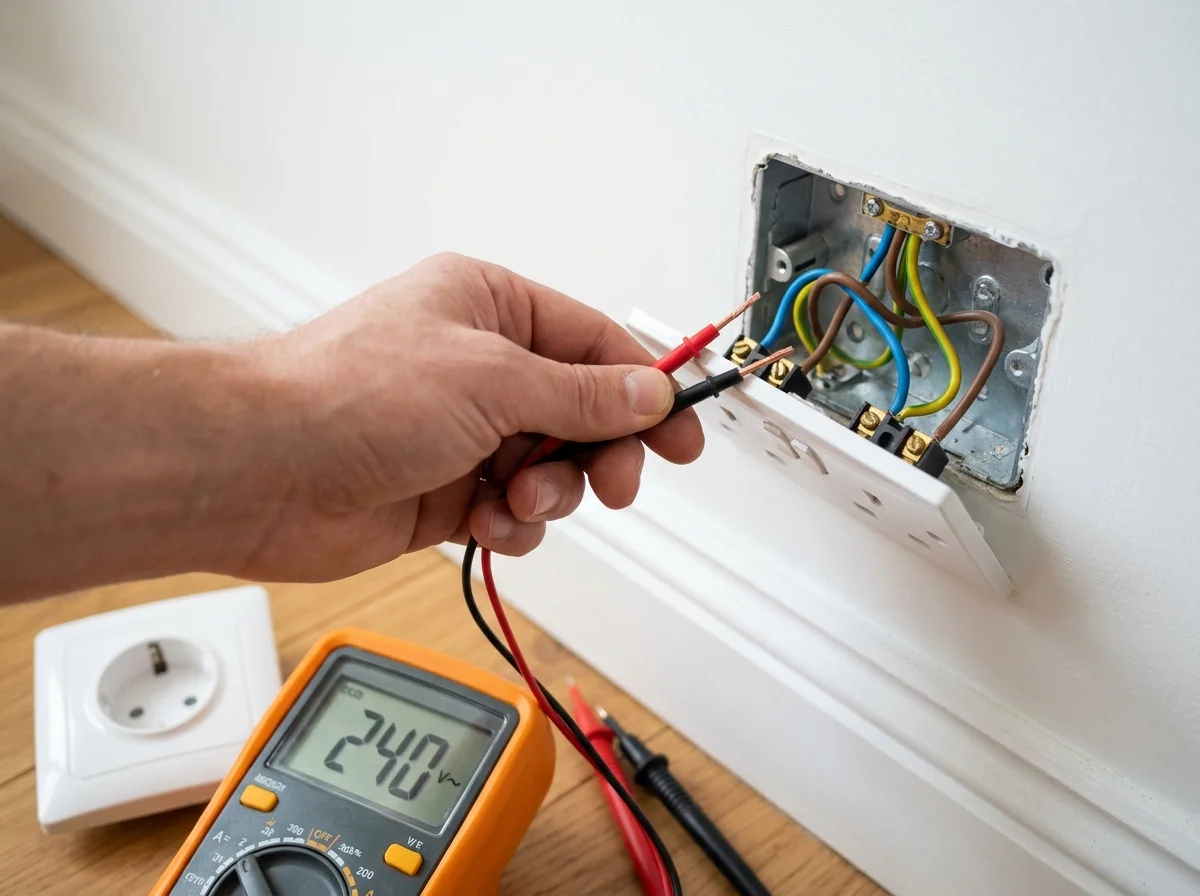
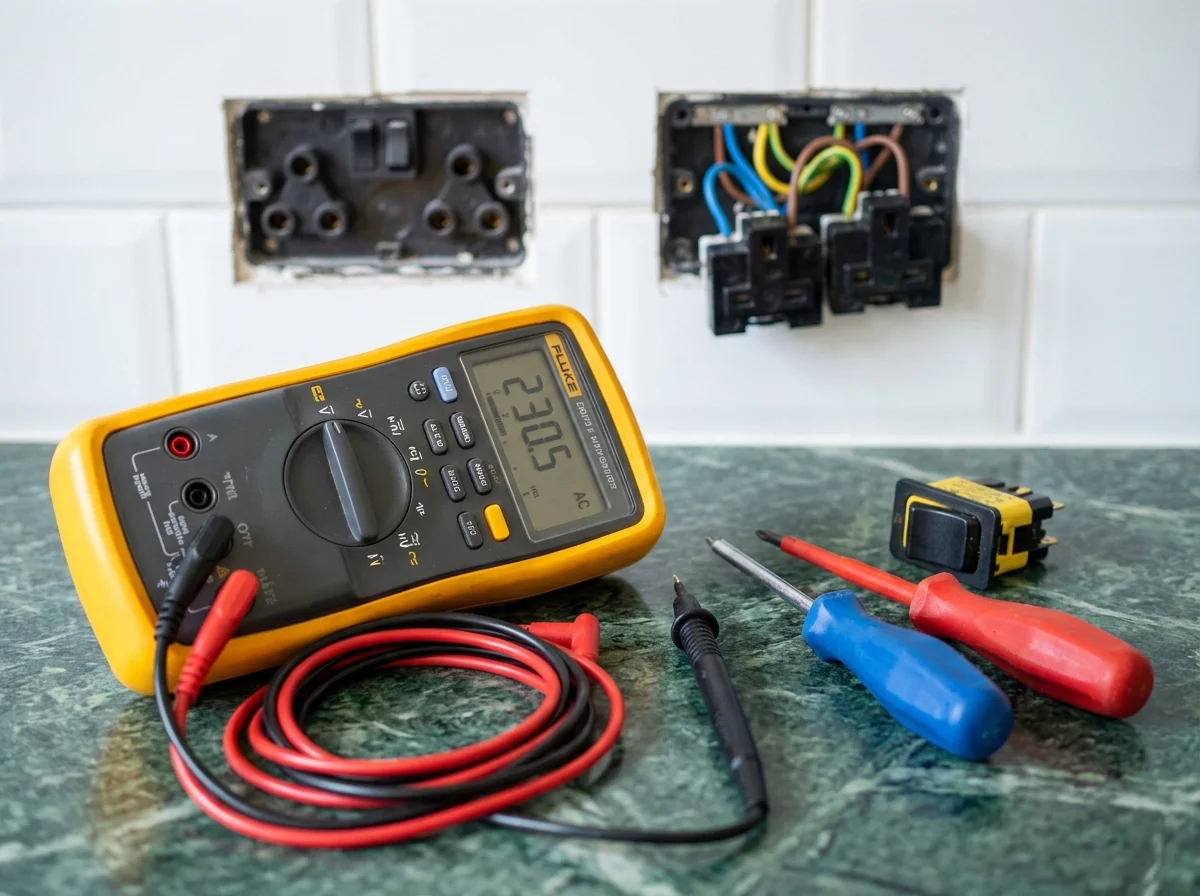
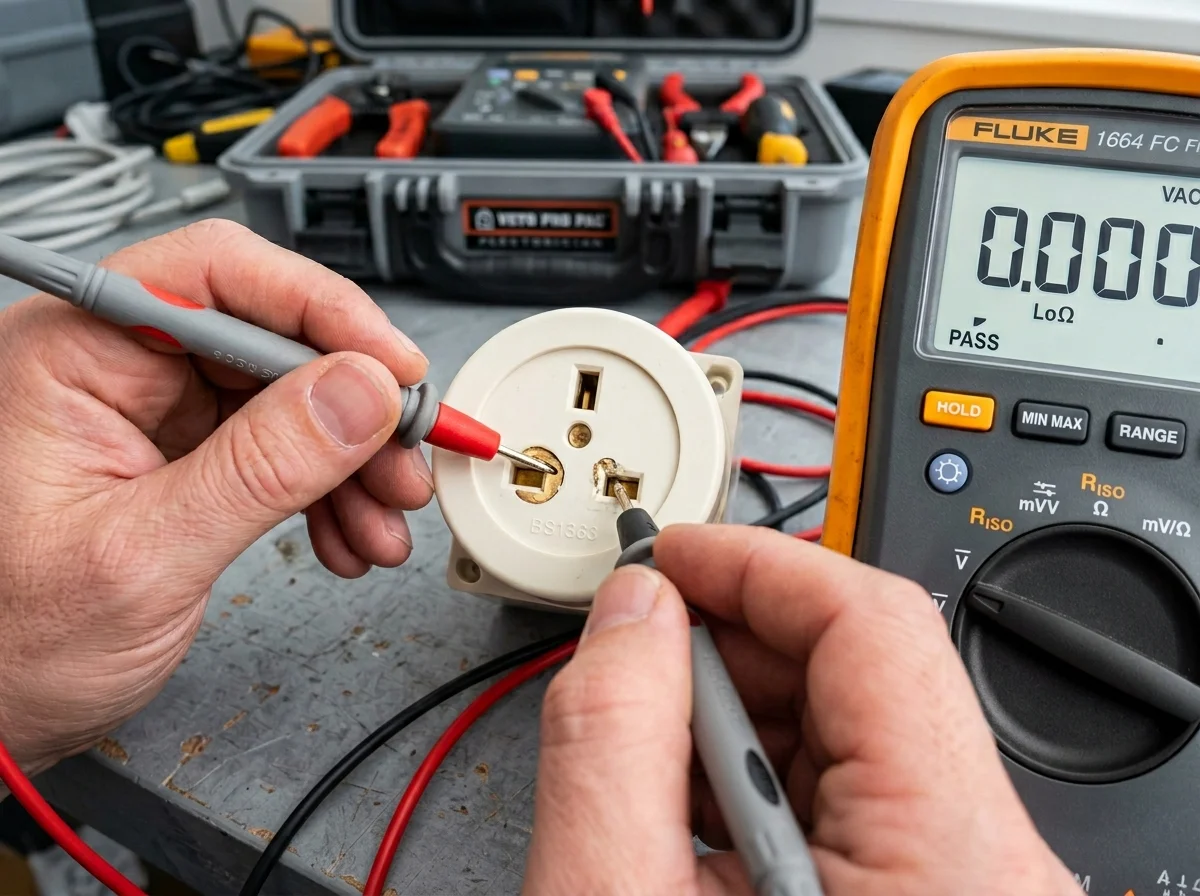
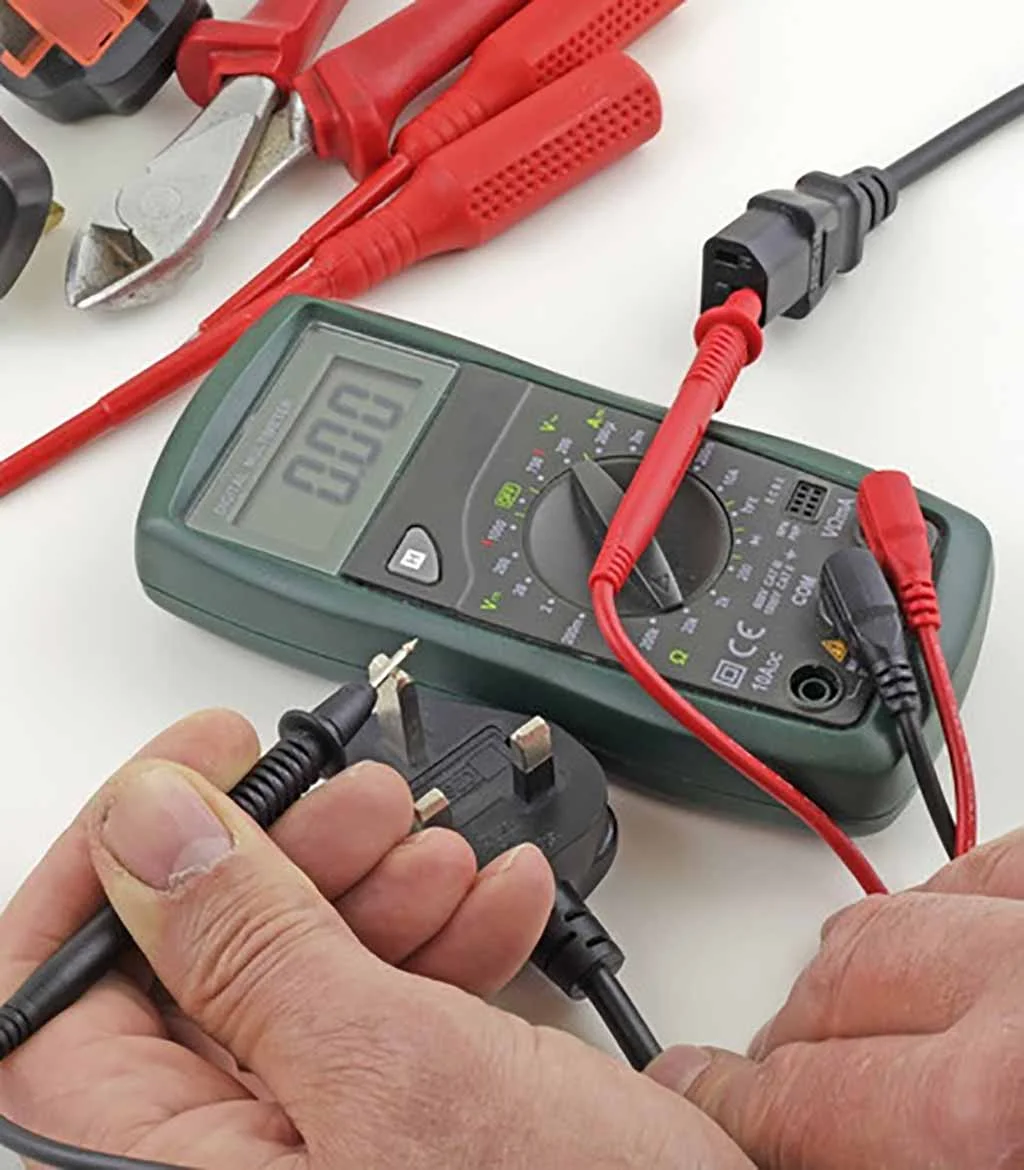
PAT testing equipment is the specialist kit used by qualified testers to carry out electronic safety checks on portable appliances.
Book PAT testing in the City of London with EICR Landlord Cert and let our experts handle the equipment.
Accredited engineers covering your area at fixed prices with no hidden fees.
Every engineer holds government-approved accreditation, is fully insured with public liability cover, and is DBS checked.
Every certificate meets current UK legal requirements and is accepted by all local authorities and letting agents nationwide.
All prices confirmed upfront. No call-out charges, no admin fees, and portfolio pricing available for landlords with multiple properties.
Certificates are issued digitally once the inspection is complete, with same-day inspection available Monday to Friday wherever your property is located.
PAT testing regulations in the City of London are drawn from several pieces of legislation that together create a clear duty to keep portable electrical appliances safe. The Electricity at Work Regulations 1989 are the primary regulation, requiring that all electrical equipment used at work or in rented accommodation be maintained to prevent danger. The Health and Safety at Work Act 1974 supports this with a broad duty of care obligation for employers and landlords.
The IET Code of Practice for In-Service Inspection and Testing, now in its 4th edition, provides the practical guidance that PAT testers follow. It sets out the inspection procedures, testing methods, and recording requirements that define best practice across the UK. City and Guilds 2377 is the standard qualification for PAT testers, confirming their competence to carry out visual inspections and electronic tests.
City of London landlords should also be aware of the Landlord and Tenant Act 1985, which requires that electrical equipment supplied with a rental property be maintained in a safe and working condition. While the regulations do not prescribe exact testing intervals, the HSE guidance document HSG107 provides a framework for deciding how often PAT testing should be done.

Commercial PAT testing in the City of London covers offices, retail spaces, restaurants, hotels, warehouses, and any workplace with portable electrical appliances.
EICR Landlord Cert carries out commercial PAT testing across the City of London for businesses of all sizes.
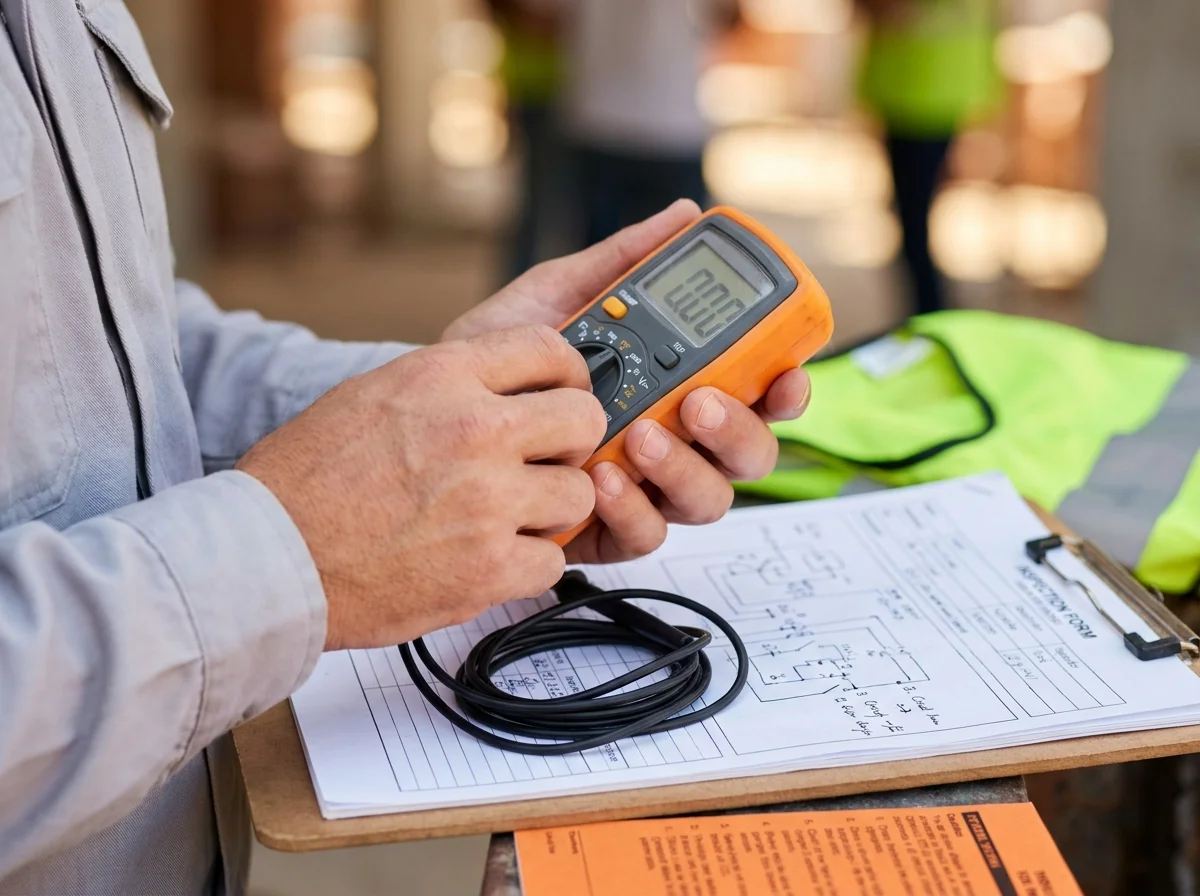
HMO PAT testing in the City of London is particularly important because landlords supply communal appliances that are shared by multiple tenants.
Protect your City of London HMO tenants and your licence with regular PAT testing from EICR Landlord Cert.
EICR Landlord Cert provides reliable PAT testing services near you across the City of London and the surrounding London area. Our testers are based locally and cover every postcode in the City of London, so we can reach your property or business premises without delay. We offer same-day inspection availability Monday to Friday, and our fixed pricing per appliance means you always know the cost upfront.
Every PAT tester on our team is City and Guilds 2377 qualified, DBS checked, and carries full public liability insurance. We follow the IET Code of Practice on every job and use calibrated testing equipment that meets BS EN 62353 standards. Whether you need a handful of appliances tested in a rental flat or a full commercial inventory across a City of London office, our team handles the entire process from testing to certification.
We understand the specific needs of City of London landlords and businesses. From HMO communal areas to busy commercial kitchens, our testers deliver professional PAT testing that keeps you compliant, protects your tenants and employees, and gives you documented proof of your duty of care. We also provide EICR certificates, Gas Safety certificates, and EPC certificates for City of London landlords.
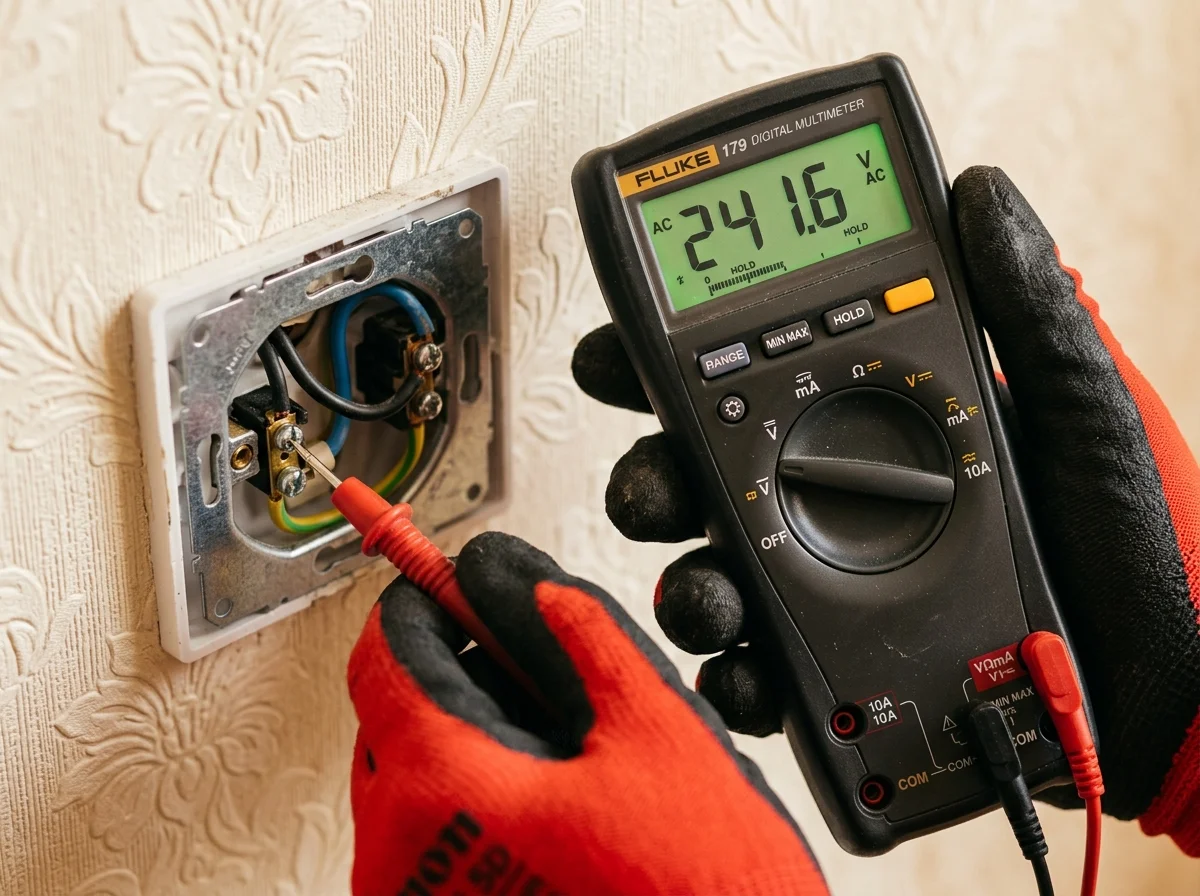
PAT testing in the City of London costs from just £69 with EICR Landlord Cert, based on a fixed price per appliance with no hidden fees.
Book your PAT testing in the City of London today for a fixed price from £69.
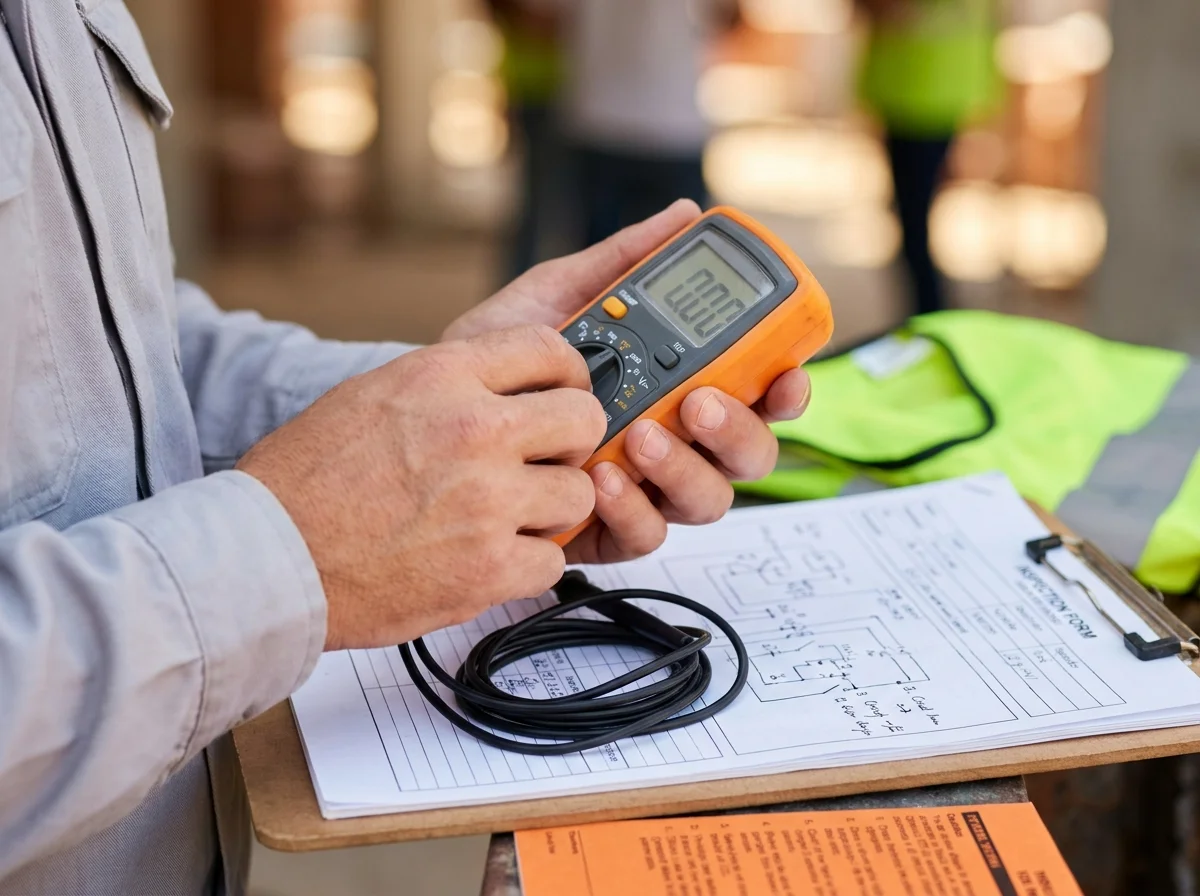
A PAT testing checklist helps City of London landlords and businesses prepare for their inspection and stay organised.
Use our PAT testing checklist to prepare your City of London property for a smooth and efficient inspection.
PAT testing stands for Portable Appliance Testing. It is a process of checking electrical appliances for safety through a combination of visual inspection and electronic testing. The tests are carried out following the IET Code of Practice and cover earth continuity, insulation resistance, and leakage current. PAT testing helps City of London landlords and businesses meet their duty of care under the Electricity at Work Regulations 1989.
PAT testing is not explicitly named as a legal requirement in UK law, but landlords have a duty to maintain electrical equipment in a safe condition under the Electricity at Work Regulations 1989 and the Health and Safety at Work Act 1974. PAT testing is the recognised industry method for meeting this obligation. City of London HMO landlords face additional scrutiny and should treat PAT testing as a practical necessity.
PAT testing in the City of London costs from £69 with EICR Landlord Cert. The cost is based on a fixed price per appliance, covering the full visual inspection, electronic testing, pass or fail labelling, and your completed certificate. There are no call-out fees or hidden charges. Larger portfolios with more appliances benefit from competitive per-item pricing.
PAT testing frequency depends on the type of appliance and the environment. The IET Code of Practice recommends annual testing for rental properties and more frequent testing for high-use commercial environments. City of London landlords should test supplied appliances at least once a year. Your tester can advise on the best schedule based on the HSE guidance for your property type.
Any portable electrical appliance that can be connected to the mains by a plug needs PAT testing. This includes kettles, toasters, microwaves, fridges, washing machines, tumble dryers, televisions, laptops, monitors, printers, extension leads, floor lamps, electric heaters, vacuum cleaners, phone chargers, and power tools. City of London landlords must test all appliances supplied with their rental property.
PAT testing typically takes around five minutes per appliance, including the visual inspection, electronic testing, and labelling. A property with 10 to 15 appliances can usually be completed within one to two hours. Larger commercial premises in the City of London with many more items may take half a day or longer depending on the number of appliances and their accessibility.
An appliance passes PAT testing if it shows no visual defects and its electronic test results fall within the safe limits set by the IET Code of Practice. An appliance fails if it has a damaged cable, cracked casing, or faulty plug, or if electronic readings for earth continuity, insulation resistance, or leakage exceed the acceptable thresholds. Failed appliances must be removed from use immediately.
Landlords who supply electrical appliances with their City of London rental properties should have those appliances PAT tested regularly. While there is no single law mandating PAT testing by name, the Electricity at Work Regulations 1989 require all electrical equipment to be maintained safely. HMO landlords have a stronger obligation due to communal appliances shared between tenants.
A PAT test includes a visual inspection of the appliance, its cable, and its plug, followed by electronic tests appropriate to the appliance class. Class I appliances are tested for earth continuity and insulation resistance. Class II appliances are tested for insulation resistance and touch current. Every tested appliance receives a pass or fail label, and a full report is provided for your records.
There is no fixed legal validity period for a PAT test certificate. The IET Code of Practice recommends retesting intervals based on the type of appliance and the environment. For most rental properties in the City of London, annual PAT testing is the recommended standard. Your certificate remains valid until the next retest date shown on the appliance labels.