- Monday - Friday 09:00-18:00
- 0203 633 9146

PAT testing in the area protects your tenants from unsafe portable electrical appliances and shields you from legal liability. The Electricity at Work Regulations 1989 and the Health and Safety at Work Act 1974 together place a duty of care on landlords to keep all electrical equipment in a safe condition. For HMO landlords in the area, PAT testing is frequently a licensing requirement. EICR Landlord Cert provides PAT testing across South London from £69, with a fixed price and no hidden fees.
Our engineers hold City and Guilds 2377 qualifications and carry full DBS checks. Public liability insurance covers every job we attend. Each appliance receives a visual inspection and electrical tests covering earth continuity, insulation resistance, and substitute leakage. A pass or fail label is attached to every item, and your PAT test certificate is issued once the testing is complete. Same-day inspections are available Monday to Friday.
Portable appliance testing in the area is the process of checking plug-in electrical equipment to confirm it is safe for use. PAT covers any appliance with a plug that can be moved, including kettles, microwaves, toasters, fridges, washing machines, televisions, computers, lamps, heaters, extension leads, and phone chargers.
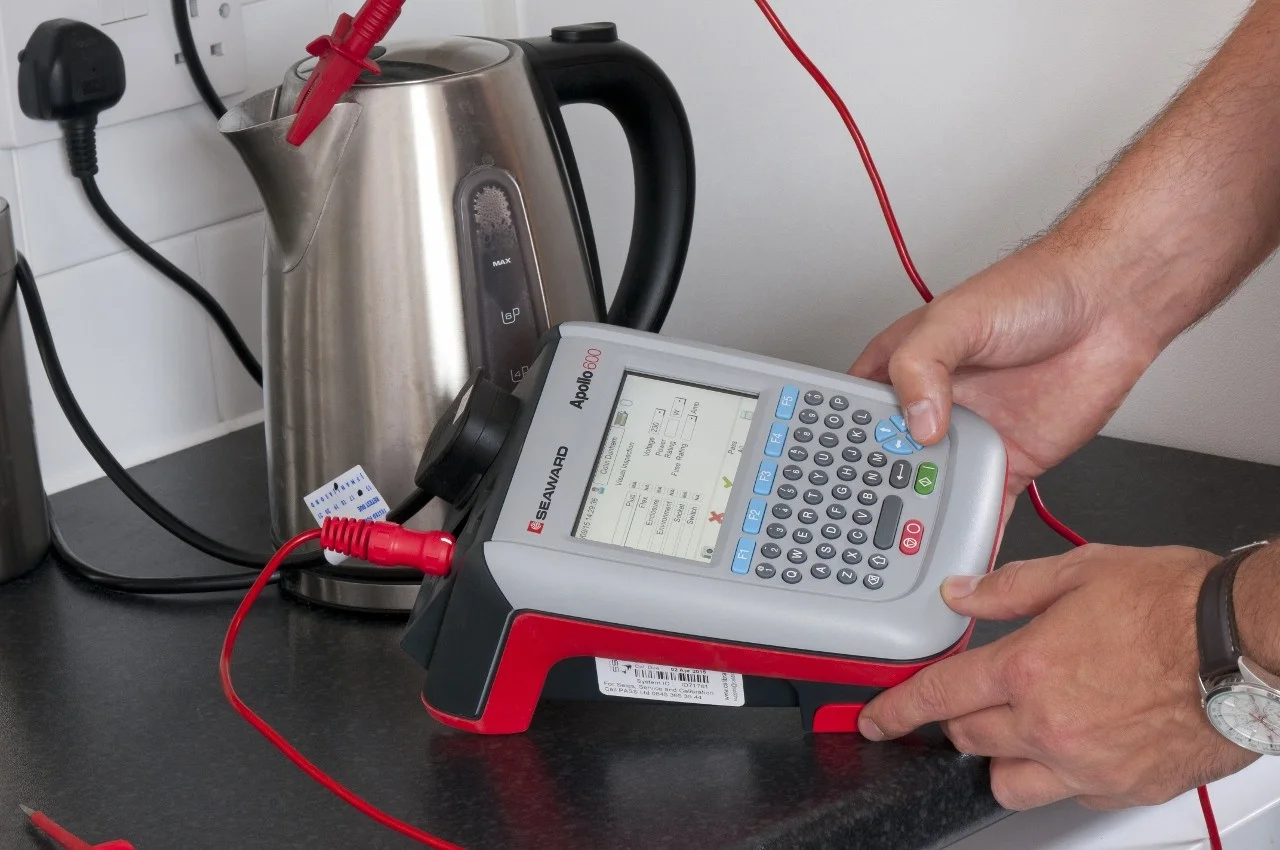
The test runs in two stages. First, the engineer visually inspects each appliance, checking the plug, cable, and outer casing for damage, wear, or signs of overheating. Second, electrical tests are carried out using a calibrated PAT tester, covering earth continuity, insulation resistance, and substitute leakage.
Appliances fall into two classes. Class I appliances are earthed and have a three-pin plug, such as kettles and washing machines. Class II appliances are double insulated with no earth connection, such as phone chargers and laptop adapters. The testing procedure differs between classes.
As a South London landlord, you have a duty of care to make sure every appliance you provide to tenants is safe to use.
EICR Landlord Cert makes PAT testing straightforward and affordable for landlords managing one property or a full portfolio.
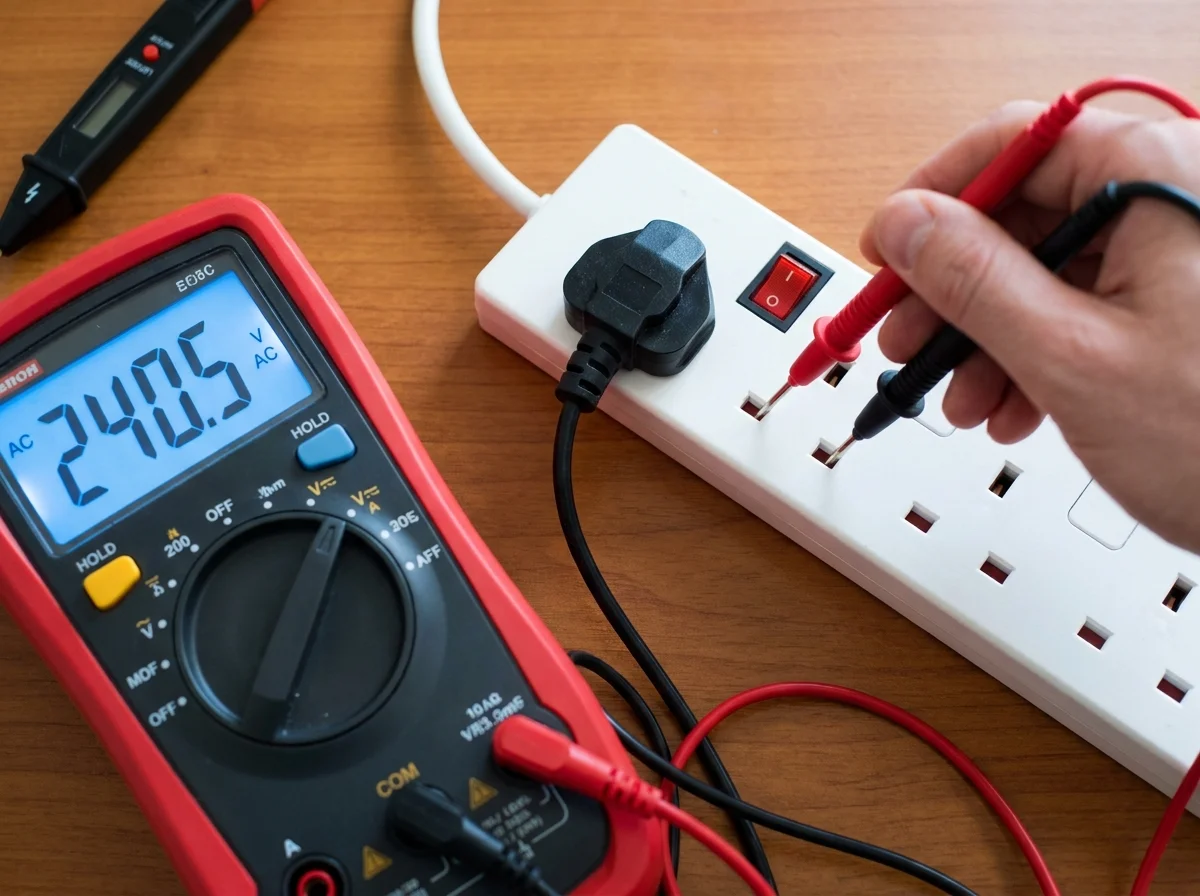
No single statute names PAT testing explicitly, but several regulations combined create a clear legal expectation for landlords who provide appliances.
Landlords who supply untested appliances face significant legal exposure if a tenant is injured by a faulty item.
PAT testing in the area costs from £69 with EICR Landlord Cert. The price depends on the number of appliances at the property. A one-bedroom flat with 10 to 15 items sits at the lower end of the scale, while a larger HMO or fully furnished property with 30-plus appliances will cost more. We confirm the exact price before booking, so there are no surprises.
Landlords with multiple properties can use portfolio pricing to reduce the per-property cost. Combining PAT testing with an EICR or gas safety inspection in one visit also saves time and money by cutting out extra appointments.
We also provide EICR certificates, Gas Safety certificates, and EPC certificates for South London landlords. Booking several compliance services together gives you the best overall price across your full package.
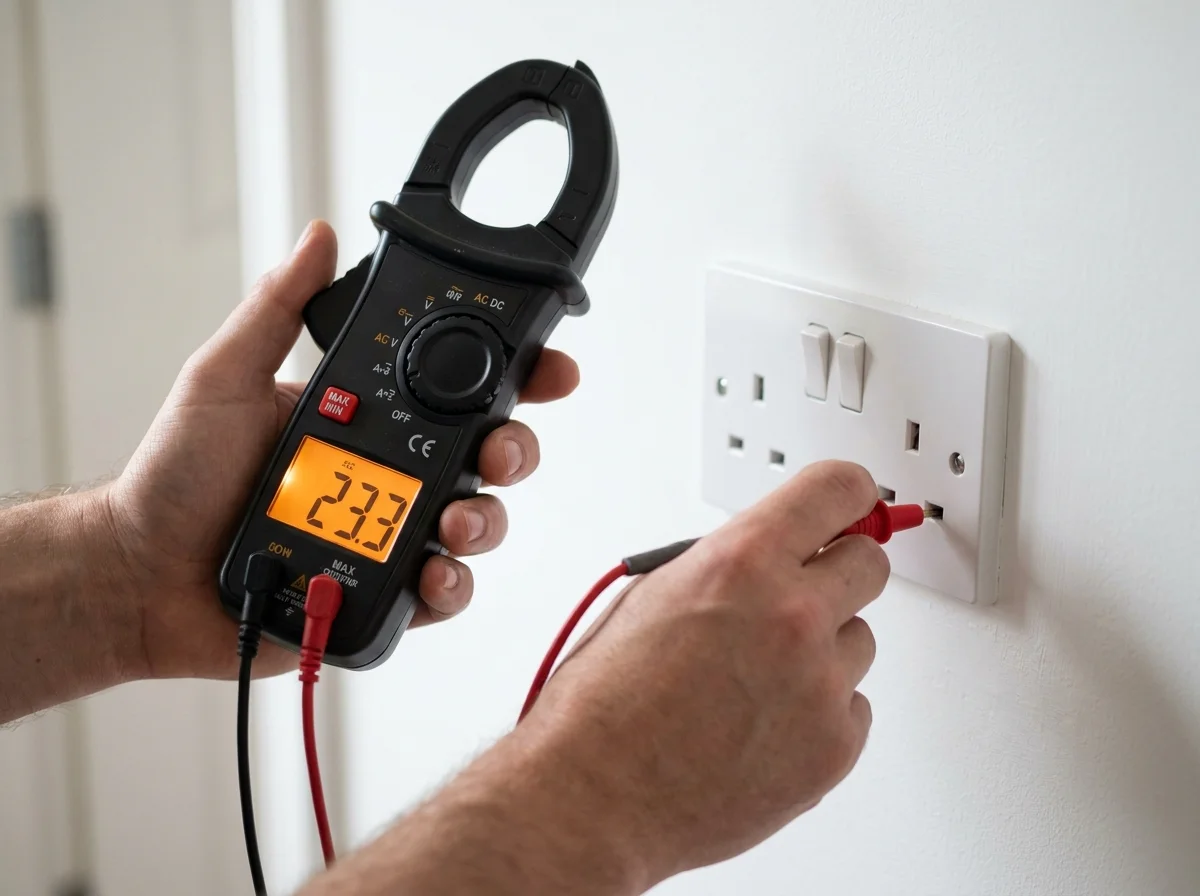
How often you need PAT testing depends on the appliance type and environment, as set out in the IET Code of Practice.
Landlords should set up a regular PAT testing schedule that aligns with their tenancy changeover dates.
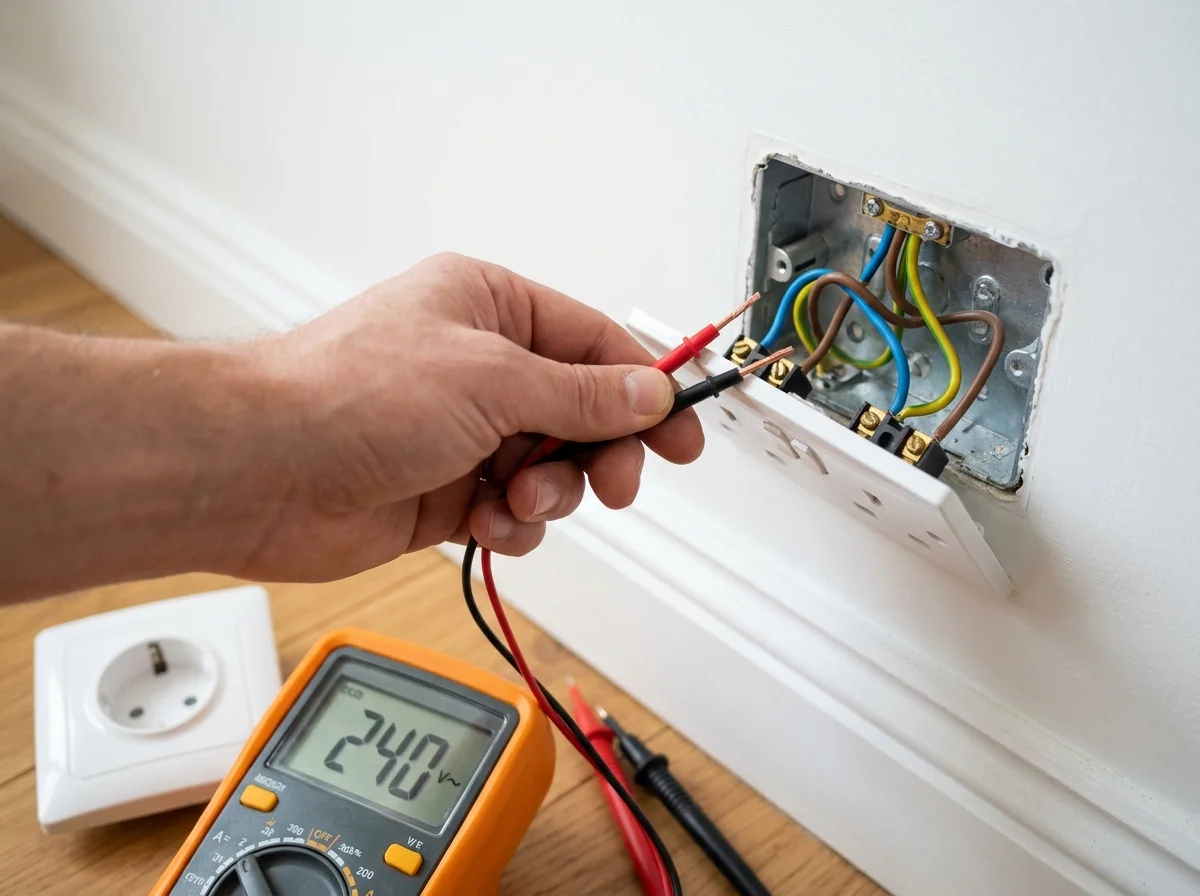
A PAT test certificate is your documented proof that every portable appliance at the property has been tested and confirmed safe for use.
EICR Landlord Cert produces professional PAT test certificates for every property we attend across the area.
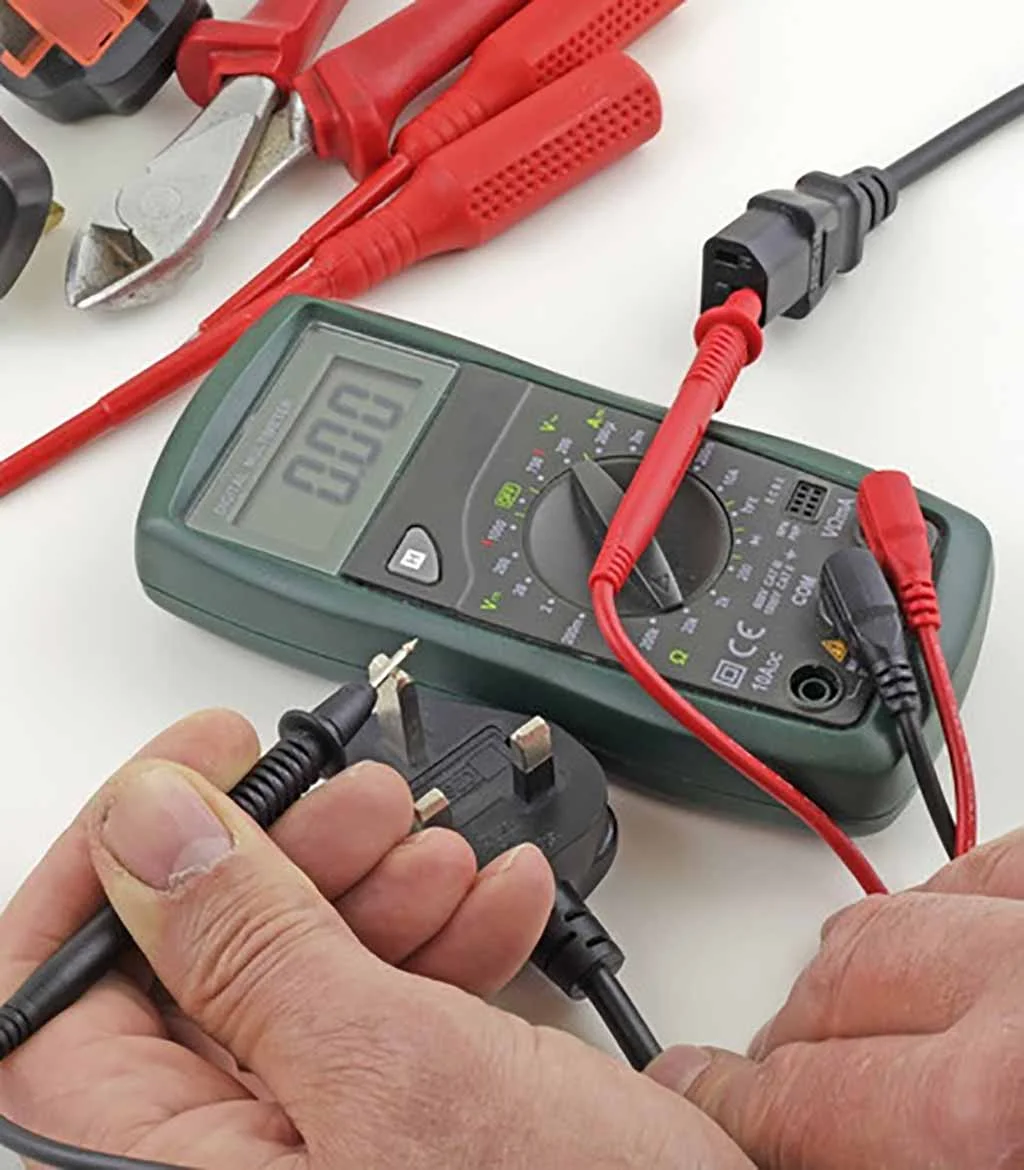
Accredited engineers covering your area at fixed prices with no hidden fees.
Every engineer holds government-approved accreditation, is fully insured with public liability cover, and is DBS checked.
Every certificate meets current UK legal requirements and is accepted by all local authorities and letting agents nationwide.
All prices confirmed upfront. No call-out charges, no admin fees, and portfolio pricing available for landlords with multiple properties.
Certificates are issued digitally once the inspection is complete, with same-day inspection available Monday to Friday wherever your property is located.
HMO landlords in the area face tighter appliance safety requirements than landlords letting standard residential properties. If your property has an HMO licence, the local authority will almost certainly require evidence of regular PAT testing as a condition. Licence holders must demonstrate that all electrical appliances in communal areas have been tested and are safe.
Communal kitchens and utility rooms see far heavier appliance use than a typical single let. Kettles, microwaves, washing machines, tumble dryers, and vacuum cleaners used by multiple tenants every day wear out faster. Regular PAT testing catches problems before they become dangerous. The IET Code of Practice specifically recommends shorter testing intervals for equipment in shared or higher-risk environments.
Our engineers handle HMO PAT testing across the area. We test every appliance in every room, label each one, and issue a detailed certificate that satisfies your HMO licensing requirements. Any appliance beyond economical repair is flagged so you can replace it before a fault develops.

Class I and Class II appliances require different electrical tests during PAT testing, so the distinction matters.
Every appliance at your property is tested to the standard its class demands.
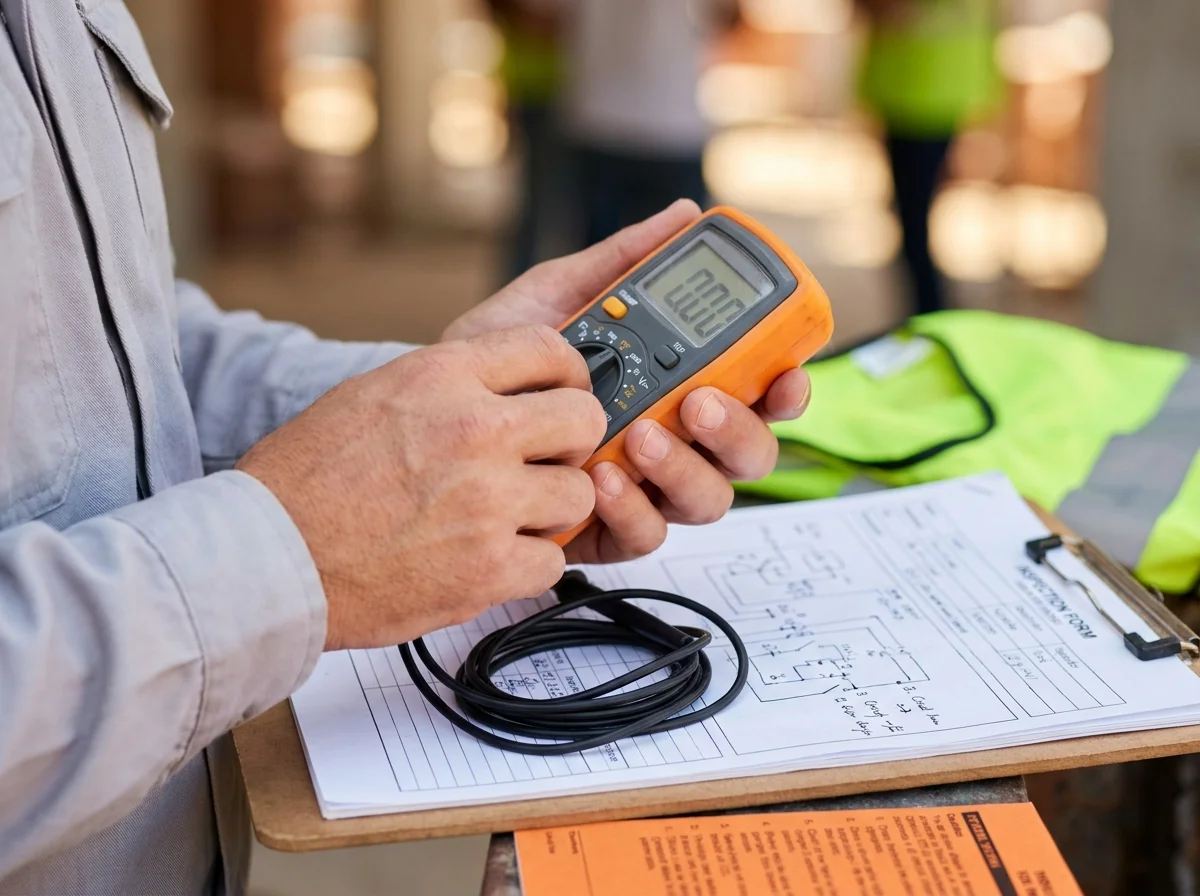
An appliance safety test at your property covers every plug-in item you supply to tenants under the tenancy agreement.
Our appliance safety test gives landlords full confidence that every item provided to tenants is safe.
EICR Landlord Cert delivers portable appliance testing near you across the area. Our City and Guilds 2377-qualified engineers cover the whole area and bring all testing equipment with them. Every test is completed on site with no disruption to your tenants, and same-day inspections run Monday to Friday.
Every engineer is DBS checked and covered by our full public liability insurance. Booking is quick: call us with the property address and an approximate appliance count, and we give you a fixed price on the spot. No hidden fees and no call-out charges on any job.
We work Monday to Friday, 09:00 AM to 06:00 PM. Our engineers arrive with a calibrated PAT tester, labels, and all paperwork needed to issue your certificate once the testing is complete. South London landlords, letting agents, and HMO operators choose us for reliable, professional PAT testing at a fair and transparent price.
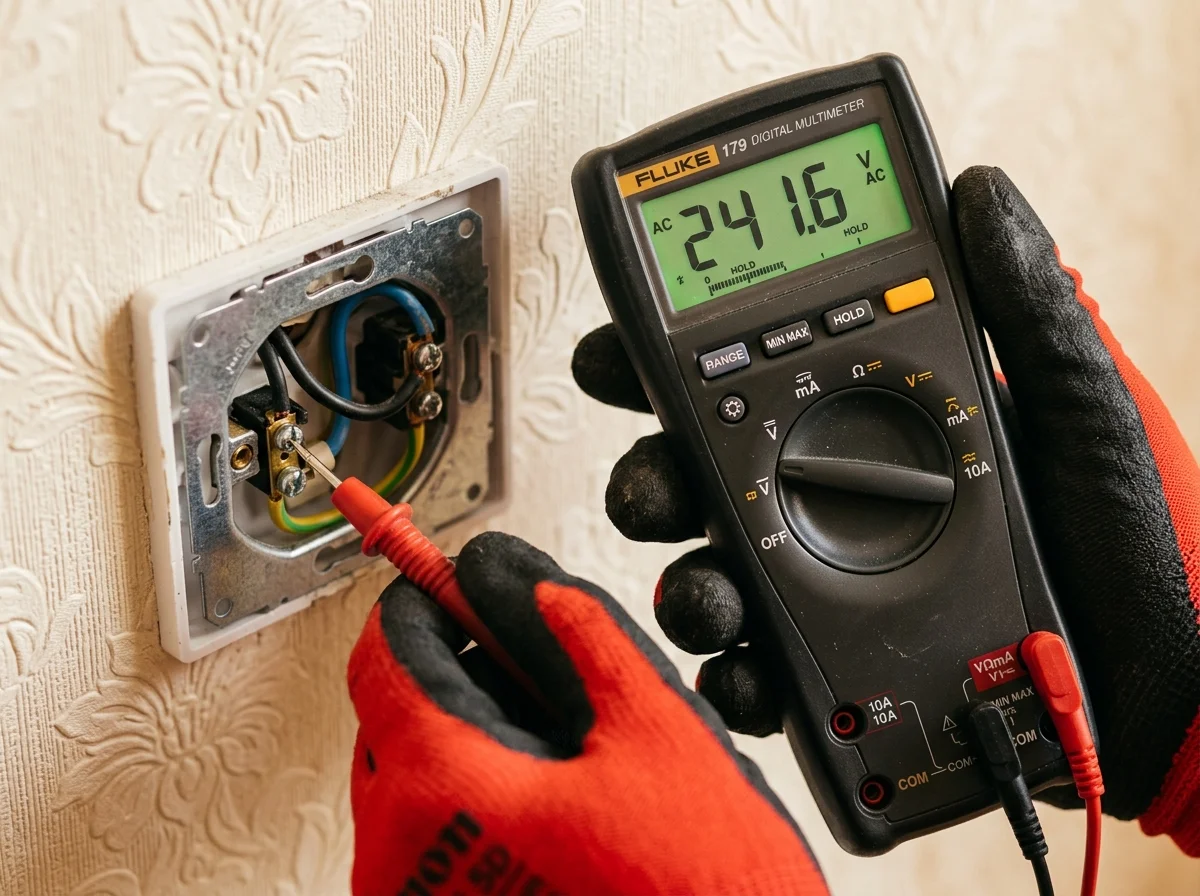
When an appliance fails its PAT test at your property, our engineer marks it as failed and records the reason on the certificate.
EICR Landlord Cert helps South London landlords deal with failed PAT test results quickly and cost-effectively.
Domestic PAT testing covers residential rental properties where the landlord supplies portable electrical appliances as part of the tenancy.
Our domestic PAT testing service is tailored for South London landlords who want quick, reliable compliance without fuss.
PAT testing is Portable Appliance Testing, the process of checking plug-in electrical equipment for safety. While no single law names it directly, the Electricity at Work Regulations 1989 require landlords to keep all electrical equipment safe. HMO landlords in the area frequently need PAT certificates for licensing, and all landlords who provide appliances should test them regularly to fulfil their duty of care.
PAT testing in South London starts at £69 with EICR Landlord Cert. The final price depends on the number of appliances at the property. A flat with 10 to 15 items falls at the lower end, while larger or fully furnished properties cost more. We confirm the fixed price before booking, with no call-out fees or hidden charges for any property in the area.
The IET Code of Practice recommends annual PAT testing for appliances in residential rental properties. HMO landlords may need more frequent testing because of heavier use in shared kitchens and communal areas. New appliances do not usually need immediate testing but should be included in the next scheduled round. Testing at every tenancy changeover is considered good practice.
Every portable electrical appliance supplied by the landlord should be tested. That covers kettles, toasters, microwaves, fridges, washing machines, tumble dryers, televisions, lamps, heaters, extension leads, phone chargers, and vacuum cleaners. If it has a plug and you provide it as part of the tenancy, it should be tested under the IET Code of Practice.
No single law specifically names PAT testing. However, the Electricity at Work Regulations 1989 and the Health and Safety at Work Act 1974 together create a clear duty of care for landlords who provide electrical appliances. For HMO landlords in the area, PAT testing is often an explicit licensing condition. All landlords supplying appliances should arrange testing.
PAT testing on a typical flat in the area with 10 to 15 appliances takes around 30 to 45 minutes. Larger properties and HMOs with more appliances can take up to two hours. Our City and Guilds 2377 qualified engineers test, label, and document every item in a single visit. Your certificate is issued once the testing is complete.
A failed appliance is labelled and must be removed from use immediately by the landlord. Common failure reasons include broken earth connections, damaged cable insulation, and faulty plugs. Our engineer logs the failure on the certificate and advises whether the item should be repaired or replaced. Tenants must not continue using any appliance that has failed.
South London landlords who supply portable appliances should arrange PAT testing to satisfy their duty of care under the Electricity at Work Regulations 1989. HMO landlords typically need PAT certificates as a licensing condition. Even for standard lets, annual testing protects the landlord from liability if a tenant is injured by a faulty appliance provided with the tenancy.
A PAT test includes a visual inspection of the plug, cable, and casing, followed by electrical tests with a calibrated instrument. Tests cover earth continuity for Class I appliances, insulation resistance, and substitute leakage current. Each appliance receives a pass or fail label. All results are recorded on the PAT test certificate issued to the landlord.
Class I appliances have an earth connection and a three-pin plug, such as kettles, washing machines, and electric heaters. Class II appliances are double insulated with no earth wire, like laptop chargers and some table lamps. Each class requires different electrical tests during PAT testing, as detailed in BS EN 62353 and the IET Code of Practice.
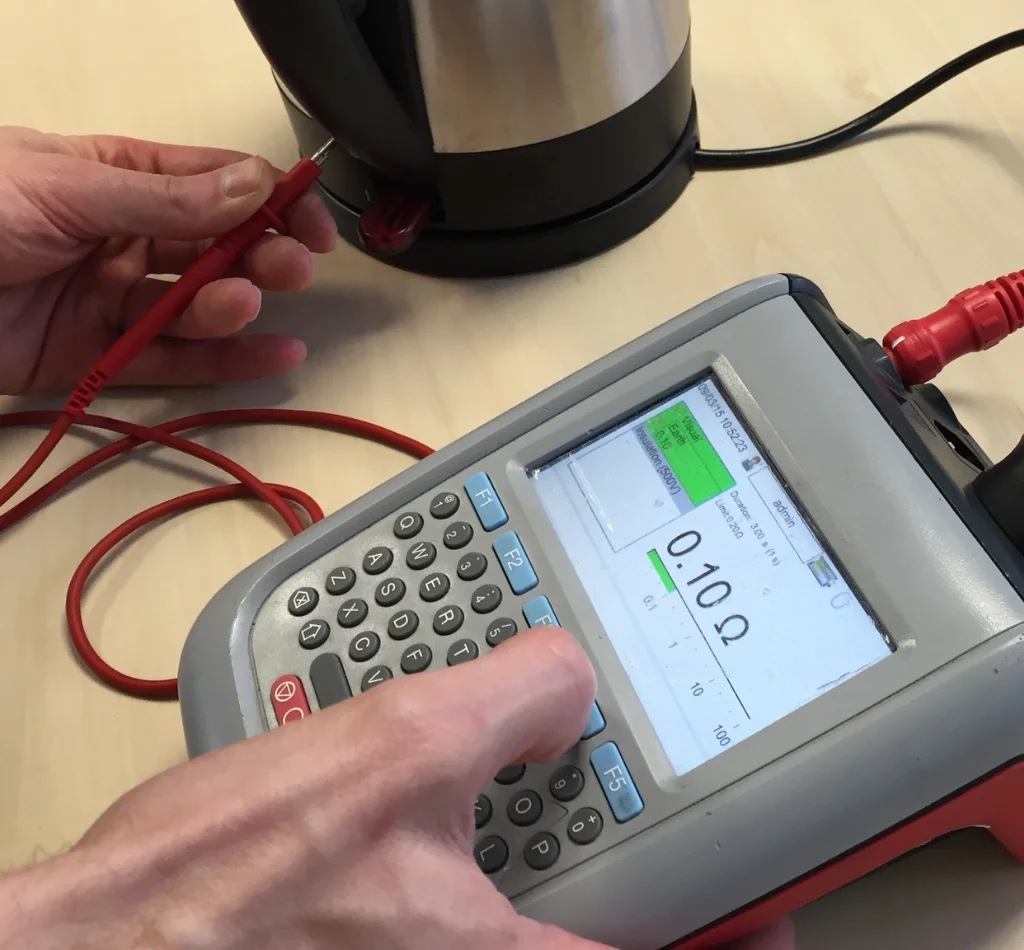
Addington (CR0), Anerley (SE20), Balham (SW12), Battersea (SW11), Beckenham (BR3), Bellingham (SE6), Belmont (SM2), Bermondsey (SE1, SE16), Bexley (DA5), Bexleyheath (DA6, DA7), Biggin Hill (TN16), Blackheath (SE3), Bostall Heath (SE2), Brixton (SW2, SW9), Brockley (SE4), Bromley (BR1, BR2), Camberwell (SE5), Carshalton (SM5), Catford (SE6), Charlton (SE7), Cheam (SM3), Chislehurst (BR7), Clapham (SW4, SW11), Colliers Wood (SW19), Coulsdon (CR5), Crayford (DA1), Cricket Green (CR4), Croydon (CR0, CR9), Crystal Palace (SE19, SE20), Deptford (SE8), Downham (BR1), Dulwich (SE21, SE22, SE24), East Dulwich (SE22), Eltham (SE9), Erith (DA8, DA18), Falconwood (SE9), Forest Hill (SE23), Foots Cray (DA14), Greenwich (SE10), Grove Park (SE12), Herne Hill (SE24), Hither Green (SE13), Honor Oak (SE23), Kidbrooke (SE3, SE9), Lambeth (SE1, SE11), Lee (SE12), Lewisham (SE13), Locksbottom (BR6), Merton (SW19, SW20), Mitcham (CR4), Morden (SM4), Mottingham (SE9), New Addington (CR0), New Cross (SE14), Norbury (SW16), Norwood (SE19, SE25, SE27), Nunhead (SE15), Old Coulsdon (CR5), Orpington (BR5, BR6), Peckham (SE15), Penge (SE20), Plumstead (SE18), Pollards Hill (SW16), Purley (CR8), Putney (SW15), Roehampton (SW15), Rotherhithe (SE16), Sanderstead (CR2), Selhurst (SE25), Shirley (CR0), Sidcup (DA14, DA15), South Croydon (CR2), South Norwood (SE25), Stockwell (SW9), Streatham (SW16), Sutton (SM1, SM2), Sydenham (SE26), Thamesmead (SE2, SE28), Thornton Heath (CR7), Tooting (SW17), Tulse Hill (SE27), Upper Norwood (SE19), Wallington (SM6), Walworth (SE17), Wandsworth (SW18), Welling (DA16), West Dulwich (SE21), West Norwood (SE27), West Wickham (BR4), Wimbledon (SW19, SW20), Woolwich (SE18).