- Monday - Friday 09:00-18:00
- 0203 633 9146

Every Central London landlord who lets a residential property must hold a valid EICR certificate under the Electrical Safety Standards (Private Rented Sector) Regulations 2020. This electrical installation condition report must be in place before a new tenancy begins and renewed at least every five years. Landlords who fail to comply face penalties of up to £30,000 per property. EICR Landlord Cert provides full EICR testing across the area from just £85, with no hidden fees and a fixed price confirmed before we book your inspection.
All our electricians are NICEIC approved and work to BS 7671 wiring regulations. Every engineer carries a valid DBS check and we hold full public liability insurance on every job. We offer same-day inspections Monday to Friday for properties in the area, so you can meet your legal obligations quickly. Your EICR report is issued once the inspection is complete, giving you the documentation you need to let your property with confidence.
An electrical safety certificate is the formal document issued after a satisfactory EICR inspection at your rental property. It confirms that the fixed wiring, circuits, consumer unit, sockets, and earthing arrangements all meet the current requirements of BS 7671. For landlords in the private rented sector, this certificate is a legal obligation under the 2020 regulations, not an optional extra.
Our qualified electrician carries out both visual checks and a series of dead and live tests on every circuit. The process includes insulation resistance testing, polarity checks, earthing verification, and RCD testing. The consumer unit, distribution board, and all permanently connected equipment are covered in the inspection. Any faults, defects, or hazards discovered during the EICR test are recorded using the standard observation codes: C1 for immediate danger, C2 for potentially dangerous, and C3 for improvement recommended.
Many properties across Central London contain older wiring systems that have been modified over the years. A periodic electrical inspection catches problems like deterioration, overloading, and outdated wiring before they put your tenants at risk.
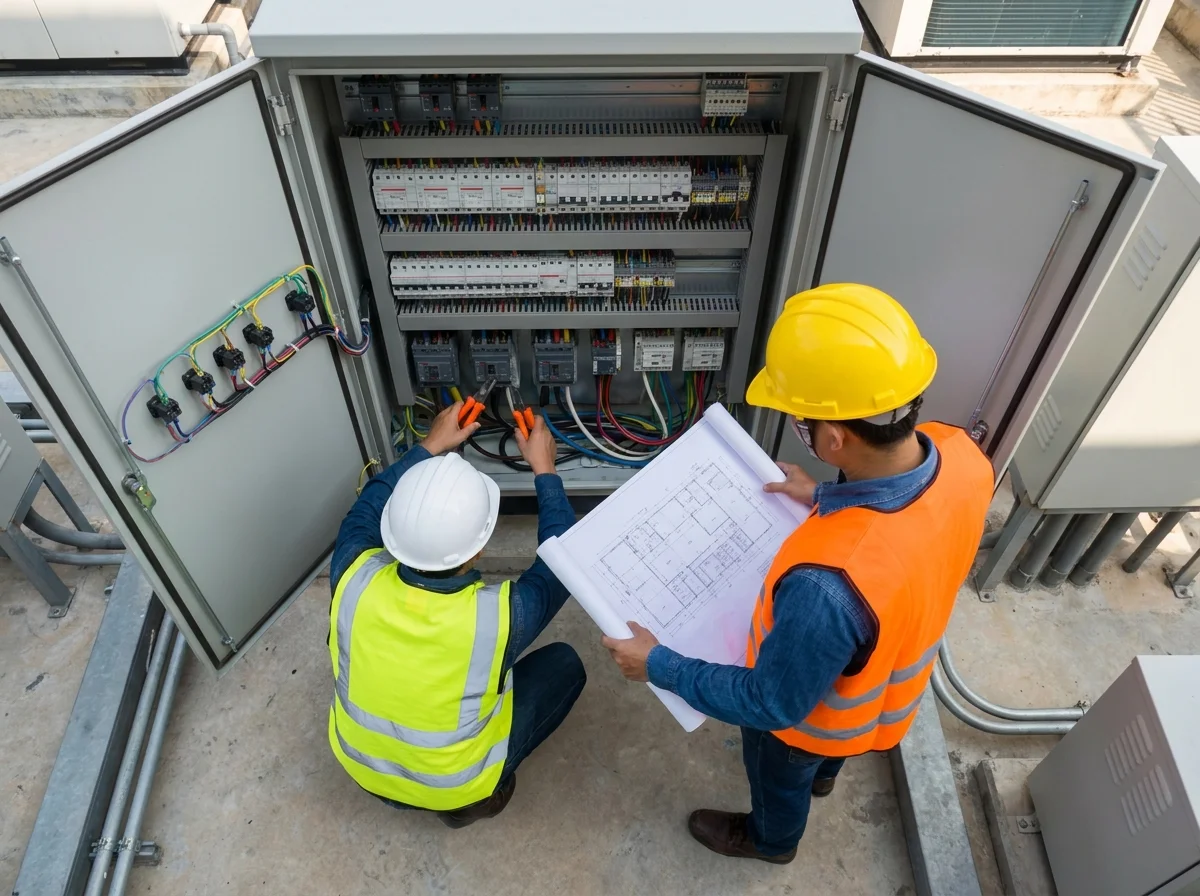



EICR testing covers every part of the electrical installation at your property to confirm safe operation and compliance.
All EICR testing follows BS 7671, and results are recorded on your electrical installation condition report for your records.
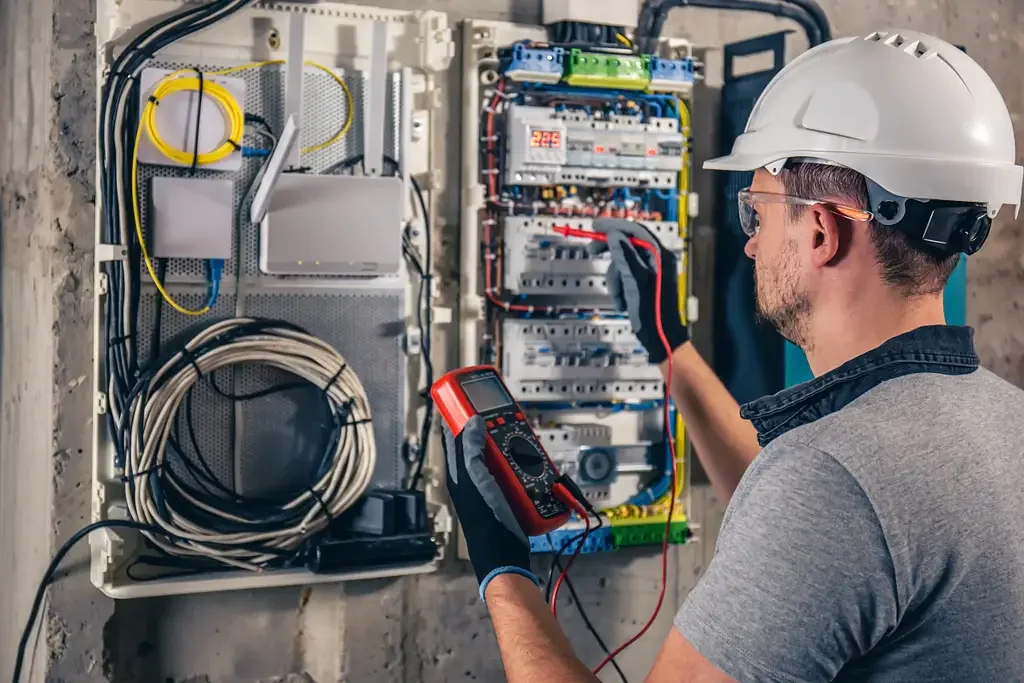
An EICR inspection gives landlords a detailed picture of whether the electrics at their property are safe and compliant for tenants.
A satisfactory result means your EICR certificate is valid for five years unless a shorter interval is recommended by the engineer.
EICR Landlord Cert provides EICR certificates across the area from £85 at a fixed price with no call-out charges. The cost of your EICR report depends on the property size and the number of circuits, but we always confirm the exact price before we book your inspection. There are no hidden extras and no surprise fees after the work is done.
For a standard one or two bedroom flat in the area, most landlords pay between £85 and £130. Larger properties, HMOs, and buildings with more circuits sit at the higher end of the scale, but our pricing remains competitive across the area. We believe landlords deserve transparent EICR pricing, not vague estimates that change once the electrician arrives.
We also provide Gas Safety certificates, EPC certificates, and PAT testing for Central London landlords. Bundling your compliance services together in a single booking reduces your overall costs and cuts down on separate appointments at the property.
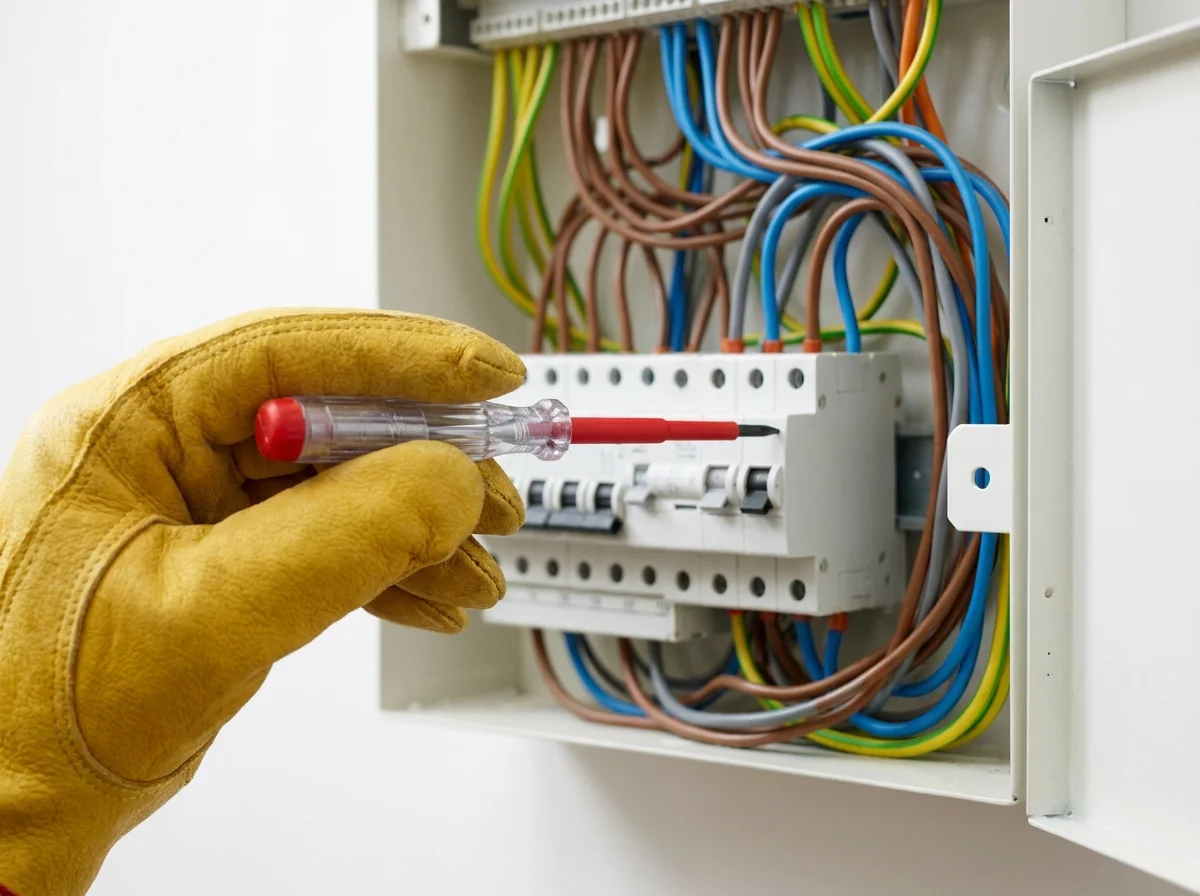
Every landlord with a tenanted property in the area is legally required to hold a valid EICR under the 2020 regulations.
Non-compliance can lead to fines of up to £30,000 per property, so staying on top of your EICR obligations protects both your tenants and your investment.
A landlord electrical safety certificate confirms that the wiring at your rental property has been inspected and tested by a qualified person.
Every landlord letting a property in the area needs this document to demonstrate legal compliance with the electrical safety regulations.
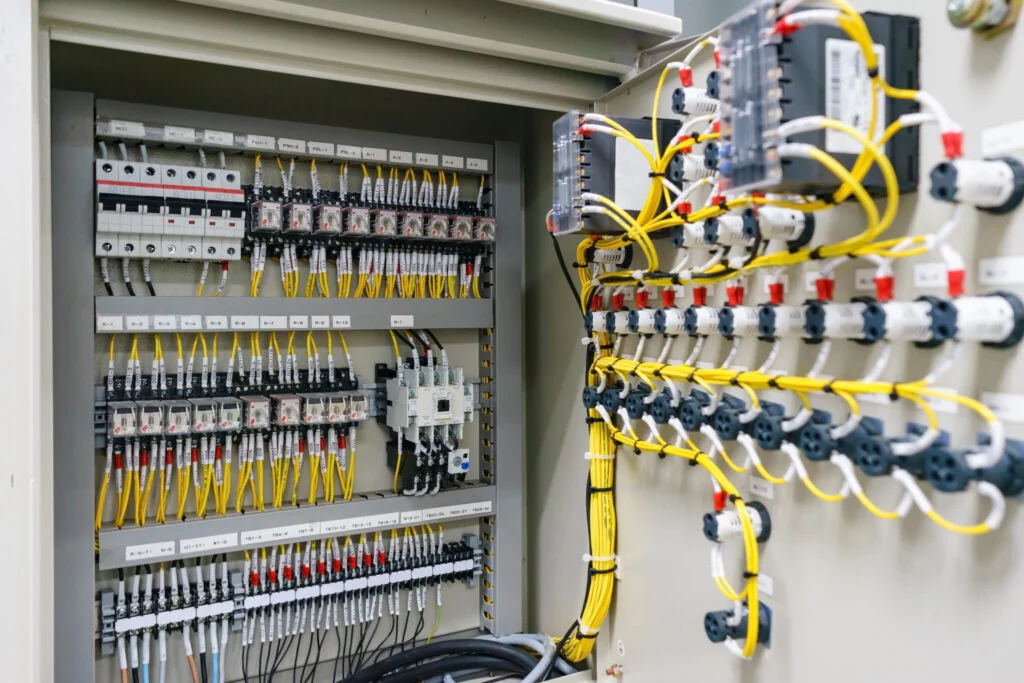
Accredited engineers covering your area at fixed prices with no hidden fees.
Every engineer holds government-approved accreditation, is fully insured with public liability cover, and is DBS checked.
Every certificate meets current UK legal requirements and is accepted by all local authorities and letting agents nationwide.
All prices confirmed upfront. No call-out charges, no admin fees, and portfolio pricing available for landlords with multiple properties.
Certificates are issued digitally once the inspection is complete, with same-day inspection available Monday to Friday wherever your property is located.
The Electrical Installation Condition Report is the official technical document produced during an EICR inspection. In the area, this report is your legal proof that the electrical installation at your property meets the requirements of BS 7671 and the Electrical Safety Standards Regulations 2020. Without a valid report, you cannot legally let the property to tenants.
Your report lists every circuit tested, the results of each test, and any observations using the C1, C2, C3, and FI coding system. If the overall result is satisfactory, no further action is required until the next scheduled inspection. If the result is unsatisfactory because of C1 or C2 observations, you must arrange remedial works within 28 days and have the affected circuits retested by the same electrician.
Properties in the area vary enormously in age and condition. A Georgian townhouse will present different electrical challenges to a 1960s purpose-built block. Our electricians have experience working across every property type in the area, and they understand the common faults found in older electrical systems.
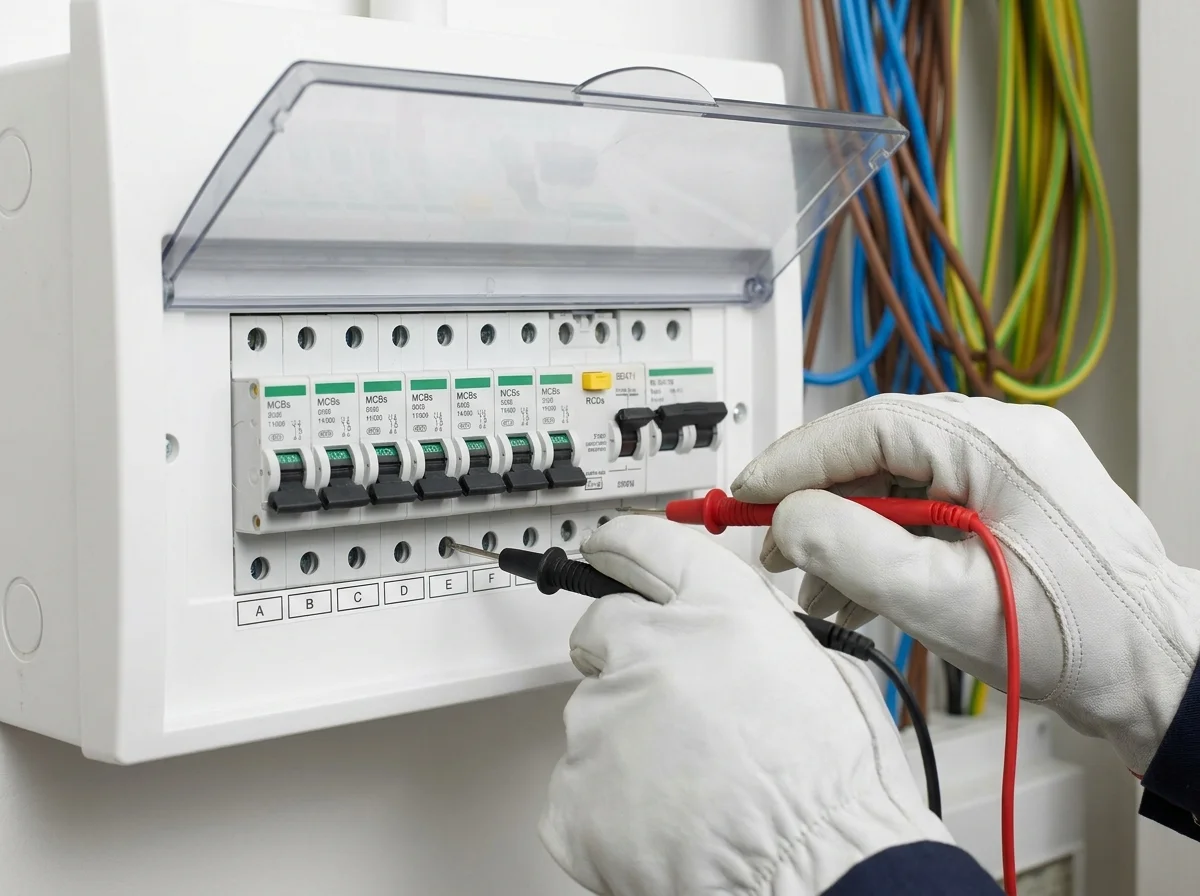
A domestic EICR covers residential properties including flats, maisonettes, and houses across the area. This is the inspection most private landlords need.
Our domestic EICR service is designed specifically for residential landlords managing rental portfolios in the Central London area.
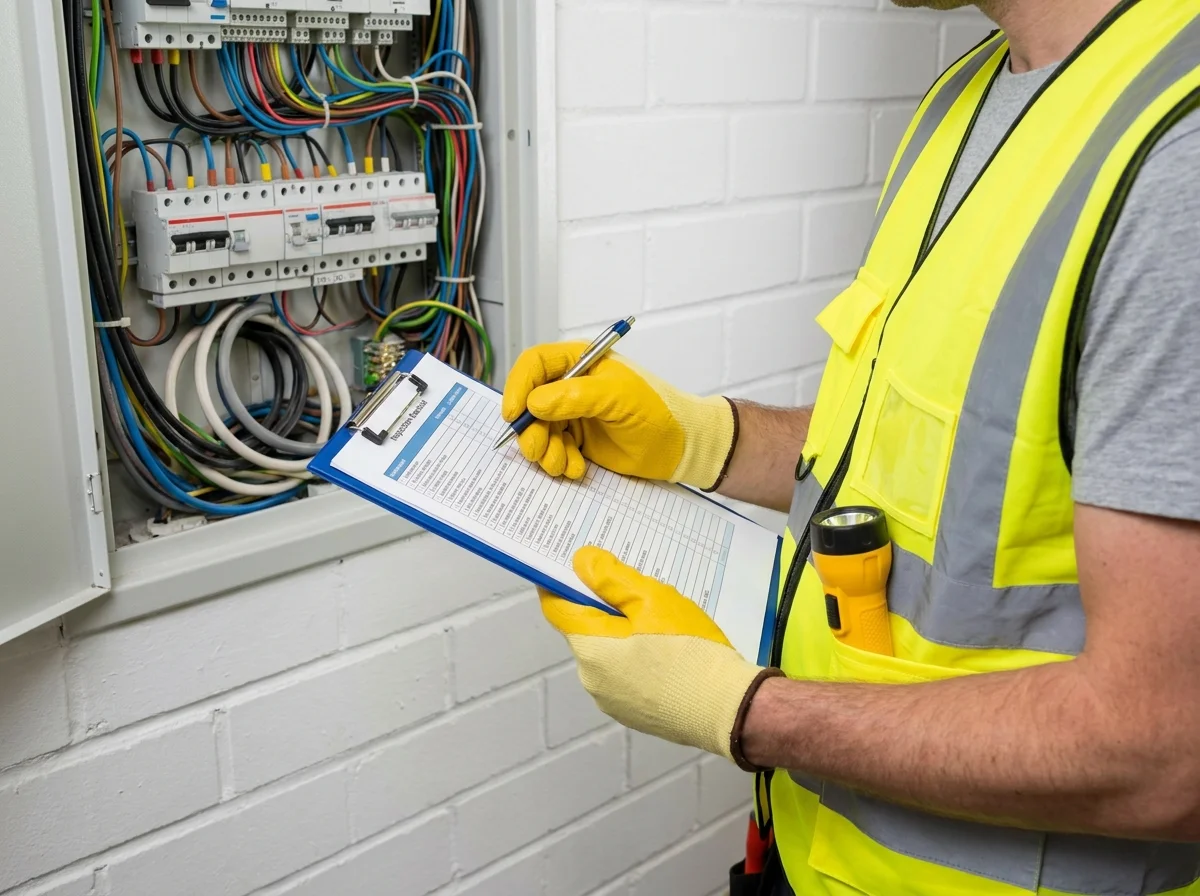
A commercial EICR is required for offices, shops, restaurants, and mixed-use buildings across Central London with more complex electrical installations.
Whether you manage office space or retail units, our commercial EICR service covers all of Central London.
EICR Landlord Cert provides trusted EICR services near you across Central London. We are a London-based team with local knowledge of the properties and electrical systems found throughout the area. Every EICR inspection is carried out by a NICEIC approved electrician who is DBS checked and fully insured with public liability cover.
We understand the challenges that older Central London buildings present, from modified wiring in period conversions to outdated consumer units in post-war blocks. Our pricing is fixed before the appointment, so you always know the exact cost. There are no hidden fees and no call-out charges on any job.
We offer same-day inspections Monday to Friday across the area. If you need an electrical safety check at short notice, call us and we will arrange an electrician to visit your property as quickly as possible. Booking takes just a few minutes over the phone, and we confirm your fixed price before the appointment is scheduled.

A failed EICR means the property has received an unsatisfactory result because of C1 or C2 observations identified during the inspection.
We can often carry out the remedial works and retesting in a single visit, which saves you time and keeps costs down.
If your EICR inspection identifies faults that need fixing, we provide full remedial work for properties across the area.
Once the remedial work is finished and retested, we issue your satisfactory electrical installation condition report immediately.
An EICR certificate is an Electrical Installation Condition Report that records the safety condition of the fixed wiring in a rental property. The Electrical Safety Standards (Private Rented Sector) Regulations 2020 require every Central London landlord to hold a valid EICR for each tenanted property. Without one, you face fines of up to £30,000, and the local authority can arrange the inspection at your expense.
An EICR in Central London costs from £85 with EICR Landlord Cert. The exact price depends on the number of circuits and the property size, which we confirm before booking. We provide a fixed price with no hidden fees. Most one or two bedroom flats in Central London fall within the £85 to £130 range, with larger properties priced according to their circuit count.
Landlords must obtain an EICR at least every five years, or sooner if the previous report recommends an earlier inspection date. The Electrical Safety Standards Regulations 2020 require a valid report to be in place before any new tenancy begins. Keeping your EICR current protects you from penalties of up to £30,000 and keeps your tenants safe.
An EICR checks all fixed wiring, circuits, sockets, switches, the consumer unit, earthing, and bonding at the property. The electrician carries out a visual inspection, dead testing including insulation resistance and continuity checks, and live testing including RCD trip times. All results are recorded against BS 7671 standards using the C1, C2, C3, and FI observation codes.
A standard EICR inspection for a Central London flat typically takes between two and four hours to complete. Larger properties with more circuits may take longer depending on complexity. Our electricians work efficiently without cutting corners, and we complete most domestic inspections within half a day. Same-day inspection slots are available Monday to Friday for landlords.
If a Central London landlord does not hold a valid EICR, the local authority can issue a remedial notice requiring the inspection within 28 days. Failure to comply with this notice can result in a financial penalty of up to £30,000. The council may also arrange the inspection directly and recover the full cost from the landlord.
C1 means danger is present and requires immediate action by the landlord. C2 means potentially dangerous and must be fixed within 28 days through remedial works. C3 means improvement is recommended but is not a mandatory requirement. FI means further investigation is needed. Only C1 and C2 codes cause a failed EICR result, and these must be addressed before the property is considered compliant.
Yes, an EICR and an electrical safety certificate are the same inspection and document. EICR is the formal name for the Electrical Installation Condition Report carried out under BS 7671 wiring regulations. Landlords, letting agents, and local councils may use either term interchangeably, but they refer to the same thing and both confirm the property's electrical installation is safe for tenants.
No, the 2020 regulations require the EICR to be carried out by a qualified and competent person, which in practice means a registered electrician with appropriate accreditation. Our engineers are NICEIC approved, DBS checked, and fully insured with public liability cover. Landlords cannot self-certify their own electrical installations, and using an unqualified person creates serious legal risks.
After a failed EICR, the landlord must arrange remedial works within 28 days to address all C1 and C2 observations identified in the report. The electrician then retests the affected circuits and issues a new satisfactory report. EICR Landlord Cert can handle both the repairs and the retesting, often in a single visit, giving you a compliant certificate without unnecessary delays or extra appointments.
Aldgate (E1), Barbican (EC2), Belgravia (SW1), Blackfriars (EC4), Bloomsbury (WC1), Borough (SE1), Cannon Street (EC4), Chancery Lane (WC2), Charing Cross (WC2), City of London (EC1, EC2, EC3, EC4), Clerkenwell (EC1), Covent Garden (WC2), Embankment (WC2), Euston (NW1), Farringdon (EC1), Fitzrovia (W1), Holborn (WC1, WC2), Hyde Park (W2), Kennington (SE11), King’s Cross (N1, WC1), Knightsbridge (SW1, SW7), Lambeth (SE1, SE11), Lincoln’s Inn Fields (WC2), Liverpool Street (EC2), London Bridge (SE1), Marble Arch (W1), Marylebone (W1), Mayfair (W1), Moorgate (EC2), Old Street (EC1), Oxford Circus (W1), Paddington (W2), Piccadilly (W1), Pimlico (SW1), Regent Street (W1), Shoreditch (E1, EC2), Smithfield (EC1), Soho (W1), South Bank (SE1), Southwark (SE1), St James’s (SW1), St Pancras (NW1), St Paul’s (EC4), Strand (WC2), Temple (WC2), Tower Hill (EC3), Trafalgar Square (WC2), Vauxhall (SW8), Victoria (SW1), Waterloo (SE1), Westminster (SW1), Whitehall (SW1).